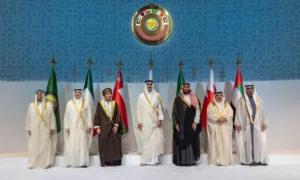
Gulf States Avoid Direct Involvement in US-Israeli War on Iran
Key Takeaways
- Gulf states slow normalization with Israel, seek closer ties with Iran and Turkey.
- Gulf states debate neutrality or limited involvement in the Iran-Israel conflict.
- Some Gulf states pursue reconciliation with Iran amid regional tensions.
Gulf States' War Calculus
The GCC states have adopted a cautious stance, balancing defensive measures and avoiding direct military involvement.
“The outcome of the war with Iran, at least for now, is reducing the chances of normalization and alliances between Israel and Arab and moderate Muslim states, according to senior Israeli officials familiar with the issue”
The Gulf states activated Article 51 of the UN Charter on collective defense after Iranian strikes.
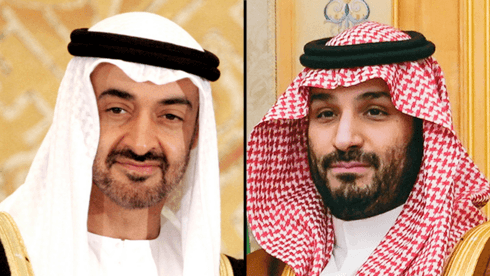
Internal divisions persist, with Qatar maintaining dialogue with Tehran and Saudi Arabia aligning with a Turkish-Pakistani-Egyptian axis.
Former Saudi intelligence chief Prince Turki Al-Faisal told CNN that this is Netanyahu’s War.
The Gulf states argue that they are small and weak countries facing two regional powers, Iran and Israel.
Iranian Retaliation Targets Gulf
Iran intensified missile and drone strikes on Gulf states, targeting energy infrastructure, ports, and civilian areas.
The UAE suffered the most attacks after Israel, with civilian deaths and injuries.
Iran's attacks forced Qatar to halt gas production and Saudi Arabia to close the Ras Tanura refinery.
Iran announced restrictions on movement in the Strait of Hormuz and attacked tankers.
Gulf states condemned the Iranian attacks as unjustified and affirmed they are not a party to the war.
Normalization Stalls
The war on Iran has dramatically altered the trajectory of Israeli-Arab normalization.
“Oman’s Foreign Minister, Badr al-Busaidi, warned that the real objective of the war on Iran lies in weakening it, reshaping the region, and pushing the normalization file with Israel, noting that Iran is 'not the only target' in this conflict”
Senior Israeli officials told Ynet that the outcome of the war is reducing the chances of normalization.
The UAE stands out as an exception, with security cooperation significantly strengthened.
Anwar Gargash wrote about scrutinizing the map of regional and international relations.
The war has made normalization highly unpopular among young Saudis.
Gulf Security Formula Collapses
The Carnegie Endowment published an analysis concluding that the Gulf states' security formulas have completely collapsed.
The Gulf had relied on American military bases and the Abraham Accords.

American bases became magnets attracting Iranian missiles and drones.
Gulf public opinion now strongly opposes Israel.
The war has revealed a deep Gulf split.
More on Iran
VP JD Vance Warns Iran Against Deception Ahead of Pakistan Peace Talks
18 sources compared

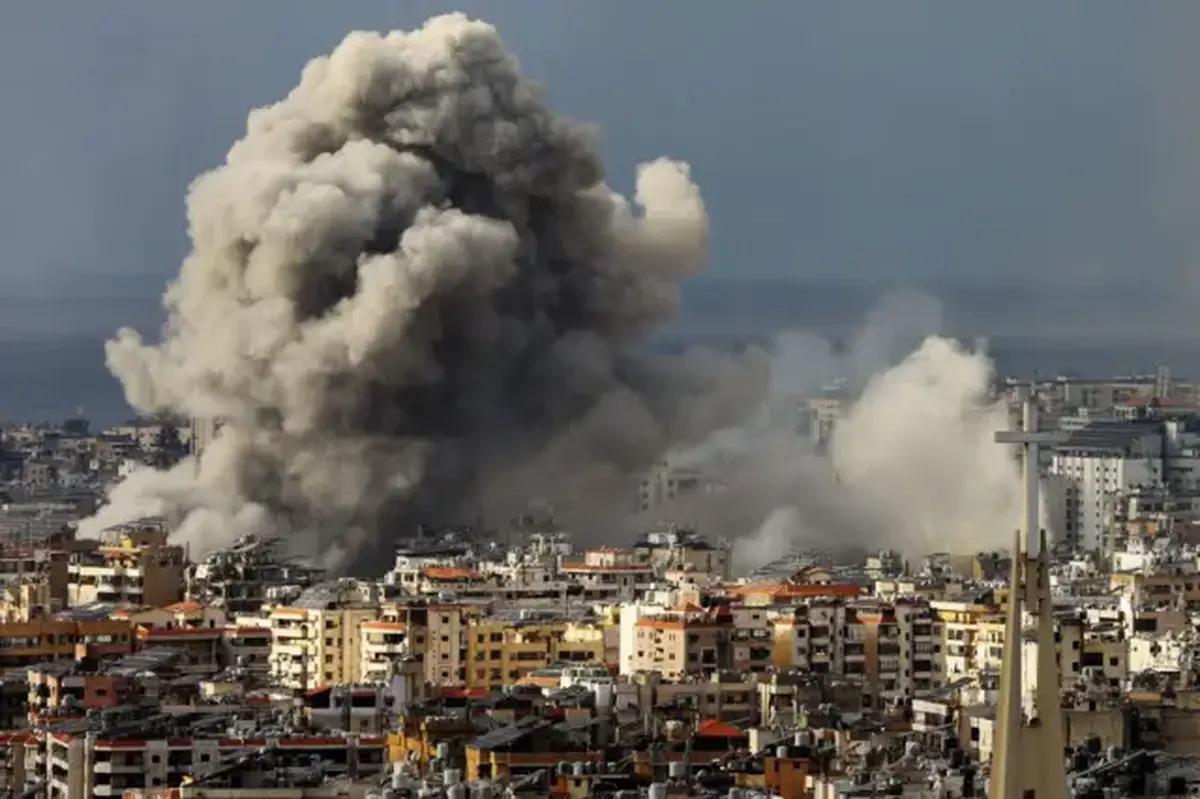
Israel Kills Over 300 in Intense Airstrikes on Beirut Amid Global Pressure
22 sources compared

US Vice President JD Vance Warns Iran Not To Deceive Ahead Of Pakistan Talks
21 sources compared
Iran Demands Lebanon Ceasefire And Asset Release Before US Talks Amid Ongoing Strikes
38 sources compared