
Israel Kills Over 300 in Intense Airstrikes on Beirut Amid Global Pressure
Key Takeaways
- Beirut airstrikes left hundreds of civilians killed or wounded.
- Israel conducted wide-scale strikes across Lebanon, including Beirut.
- Arab and international pressure intensified to halt attacks and pursue diplomacy.
Israeli Bombing of Beirut
Israel intensified its bombing campaign against Beirut on April 9, 2026, targeting densely populated areas and vital infrastructure despite mounting international pressure.
The Israeli military conducted approximately 100 strikes in a rapid 10-minute window.

The Lebanese Health Ministry reported at least 303 dead and hundreds wounded.
The strikes hit central Beirut during peak traffic hours without prior evacuation warnings.
Israeli warnings targeted areas hosting major hospitals such as Rafik Hariri University Hospital and Al Zahraa Hospital.
The World Health Organization called on Israel to cancel evacuation warnings for the Jnah district.
Divergent Ceasefire Interpretations
The strikes came despite a ceasefire announced by U.S. President Donald Trump and Iranian President Ebrahim Raisi.
Israel and the U.S. insisted the truce did not apply to Lebanon, while Pakistan and Iran affirmed it did.

Pakistani Prime Minister Shehbaz Sharif claimed all parties had accepted a universal ceasefire.
The U.S. State Department announced it would host direct talks between Lebanese and Israeli delegations next week.
Hezbollah ceased claiming responsibility for attacks against Israel since early Wednesday morning.
European and Gulf states were pressing Israel not to renew strikes on Beirut.
Humanitarian Crisis and Hospital Strain
The Israeli strikes exacerbated Lebanon's humanitarian crisis.
“Arab and international diplomatic efforts intensified to pressure Tel Aviv not to renew its attacks on the Lebanese capital Beirut, while Israel threatened to evacuate residential neighborhoods and vital facilities”
Over one million people were displaced.
Hospitals operated beyond capacity.
The director of Rafik Hariri University Hospital noted assurances from the International Red Cross.
Lebanese Transport Minister Fayez Rasamni said the airport would remain safe as long as use was limited to civilian activities.
The German Red Cross warned of an imminent humanitarian catastrophe.
International and Regional Reactions
The Arab League Secretary-General strongly condemned the Israeli attacks.
Canada condemned Israel and called on Hezbollah to disarm.
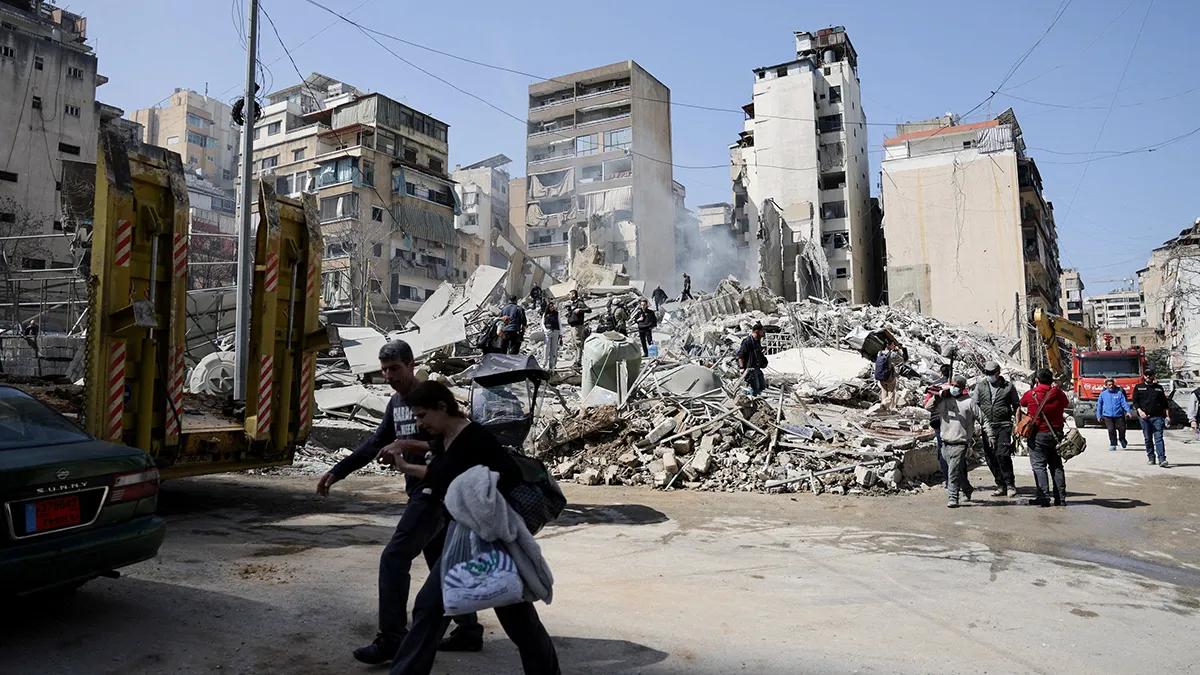
The UN Secretary-General strongly condemned the strikes.
Iran closed the Strait of Hormuz again in response to Israeli attacks.
Hezbollah continued retaliatory attacks.
Israeli strikes killed 13 members of the Lebanese State Security in Nabatieh.
More on Lebanon

Israel Kills Over 300 in Lebanon as US-Iran Ceasefire Dispute Fuels Violence
14 sources compared
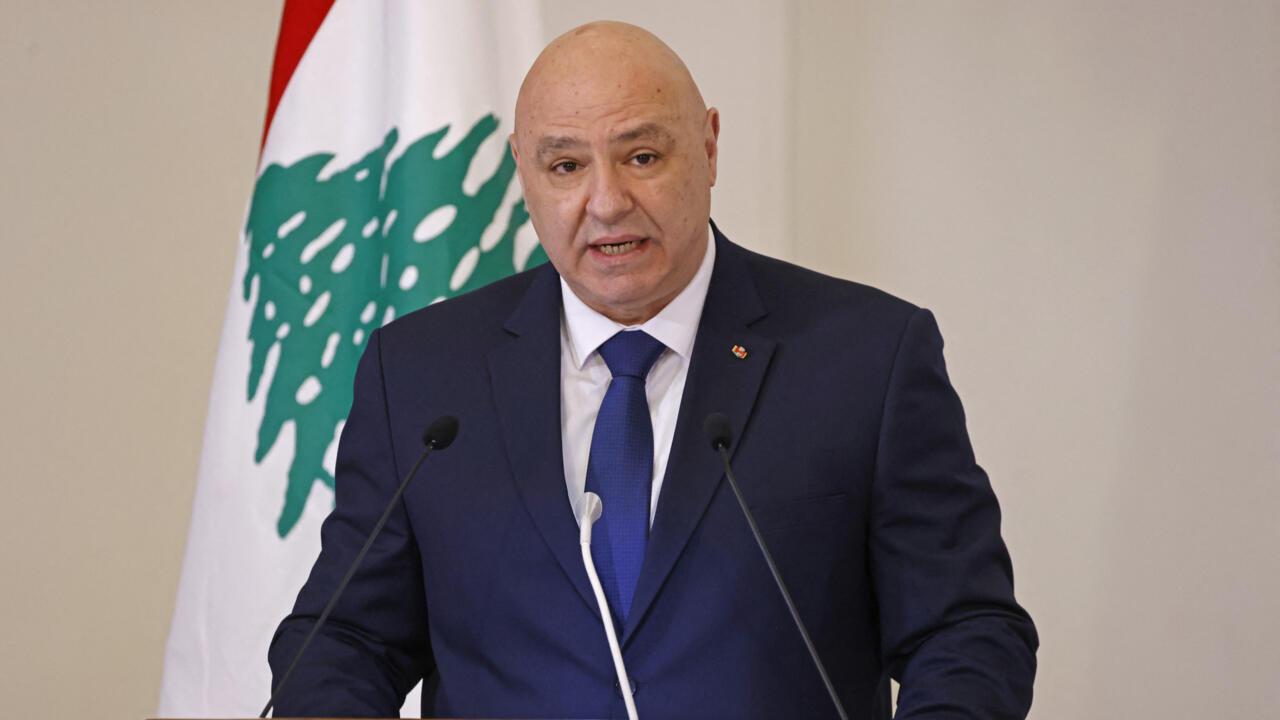
Netanyahu Orders Direct Peace Talks With Lebanon While Continuing Strikes On Hezbollah
14 sources compared
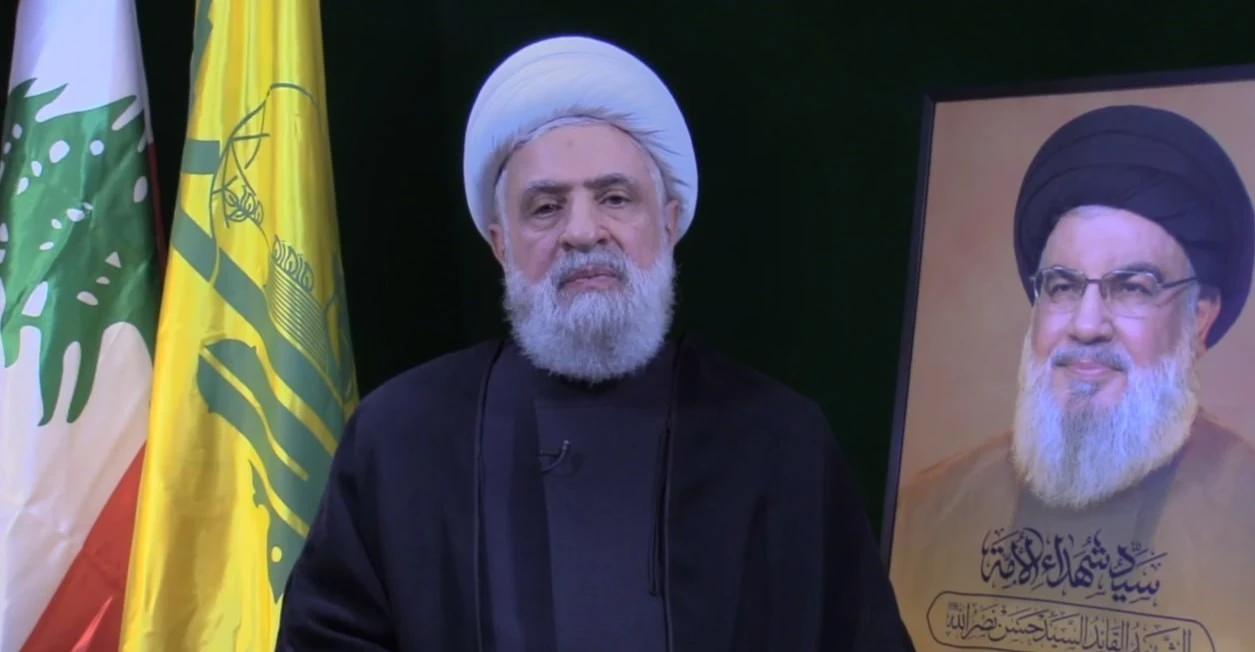
Hezbollah's Naim Qassem Vows Resistance Until Last Breath Amid Israeli Strikes
12 sources compared
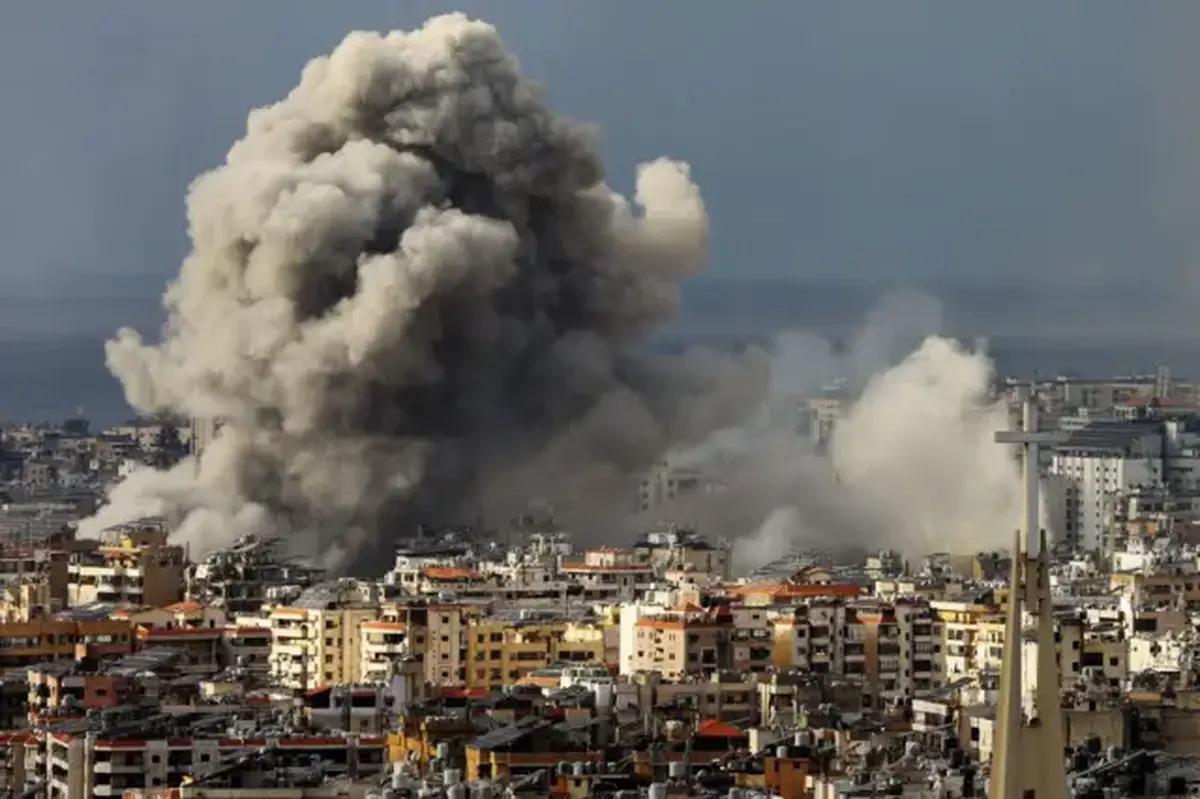
Iran Demands Lebanon Ceasefire And Asset Release Before US Talks Amid Ongoing Strikes
38 sources compared