
Yemeni Government Retakes Hadramout and Al-Mahra From Southern Transitional Council
Key Takeaways
- Yemen’s internationally recognized government retook Hadramout and al‑Mahra provinces from the STC
- STC delegation in Riyadh announced the group's dissolution, a claim welcomed by Saudi Arabia
- STC leadership is divided and its leader, Aidarous al‑Zubaidi, reportedly fled into exile
Yemen southern control shifts
Yemen's Saudi-backed, internationally recognised government announced it has retaken southern areas from the Southern Transitional Council (STC).
“Rashad al-Alimi says government forces have retaken Hadramout and al-Mahra provinces from Southern Transitional Council”
Presidential Leadership Council chief Rashad al-Alimi said government forces have recaptured Hadramout and al-Mahra and now control contested military bases.

Officials tied the advance to a Saudi-backed offensive that pushed STC fighters out of Hadramout, the presidential palace in Aden and military camps in al-Mahra after the STC seized those areas late last year.
The move follows widespread unrest in Aden, where thousands of STC supporters protested, waved the former South Yemen flag and called for independence.
TRT World reports that government forces have now entered Aden as the STC is losing ground across southern provinces.
Riyadh STC developments
Diplomatic developments and the fate of an STC delegation in Riyadh have complicated the narrative.
The Hindu reports a delegation of more than 50 STC members has been unreachable since arriving in Riyadh on Jan. 7 and compares the episode to the 2017 Saad Hariri incident.

Al Jazeera says a Riyadh conference of southern leaders will seek a new roadmap to end the violence.
Al Jazeera and The Hindu offer conflicting accounts about STC leader Aidarous al‑Zubaidi: Saudi sources say he was smuggled to the UAE, while the STC says he remained in Aden.
The Hindu also notes that Zubaidi has been removed from the eight-member Presidential Leadership Council.
Gulf rivalry in southern Yemen
Reporting highlights a clear rift between Saudi Arabia and the UAE over southern Yemen.
“A delegation of the STC in Riyadh announces the dissolution of the separatist group, welcomed by Saudi Arabia but disputed by a spokesperson of the southern separatist group in Abu Dhabi”
TRT World and The Hindu say the UAE had historically backed the STC and is now at odds with Riyadh after the STC's sudden seizure of territory.
Al Jazeera reports that Riyadh accuses Abu Dhabi of facilitating Zubaidi's movement to the UAE.
Sources present the UAE both as an earlier patron of the STC and as the focus of Saudi accusations, underscoring how external Gulf rivalries shape on-the-ground alignments in southern Yemen.
STC political and military fallout
Political consequences remain uncertain.
Al Jazeera reports the STC’s future is unclear, citing internal division over a reported dissolution.
The Hindu notes Zubaidi’s removal from the Presidential Leadership Council and describes arrests or disappearances of delegation members in Riyadh.
TRT World focuses on territory changing hands and the STC losing ground, portraying a movement under pressure while offering little detail on internal STC decisions.
Together, the sources indicate both military setbacks and political fragmentation within the STC, though they differ on whether internal or external drivers are to blame.
Media narratives on Yemen
All three outlets report that the government says it retook Hadramout and al-Mahra.
“Published- January 09, 2026 10:41 pm IST - Riyadh Police troopers patrol a street after, according to the Saudi-backed coalition, Aidarous al-Zubaidi, the leader of Yemen's Southern Transitional Council (STC), fled to an unknown destination, in Aden, Yemen January 7, 2026”
They also note that the Southern Transitional Council (STC) seized territory last year.
The reports state that Saudi-backed forces have pushed back STC fighters.
However, the outlets' narratives diverge on causes and responsibilities.
Al Jazeera emphasizes the Saudi-backed offensive and reports Riyadh’s accusation that Abu Dhabi facilitated Zubaidi’s removal.
The Hindu stresses the diplomatic mystery in Riyadh and competing claims about Zubaidi’s whereabouts.
TRT World foregrounds changing battlefield control and the STC losing ground.
Because the sources contain conflicting claims about Zubaidi and differ in emphasis between military action and diplomatic maneuvering, the overall picture remains partly ambiguous and contested.
More on Yemen
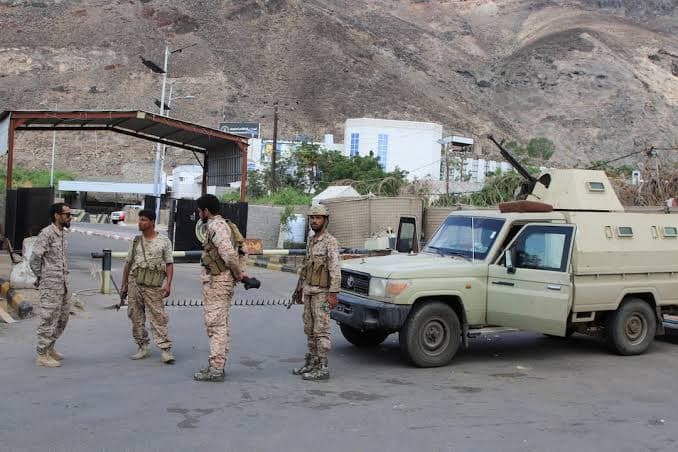
UAE Evacuates Yemeni Separatist Leader Aidarous al-Zubaidi by Boat, Saudi Coalition Alleges
16 sources compared

Southern Transitional Council Declares Disputed Dissolution in Riyadh
10 sources compared

Saudi-Led Coalition Launches Airstrikes on Al-Dhale Province Targeting Southern Transitional Council Leader Aidaros Alzubidi
30 sources compared
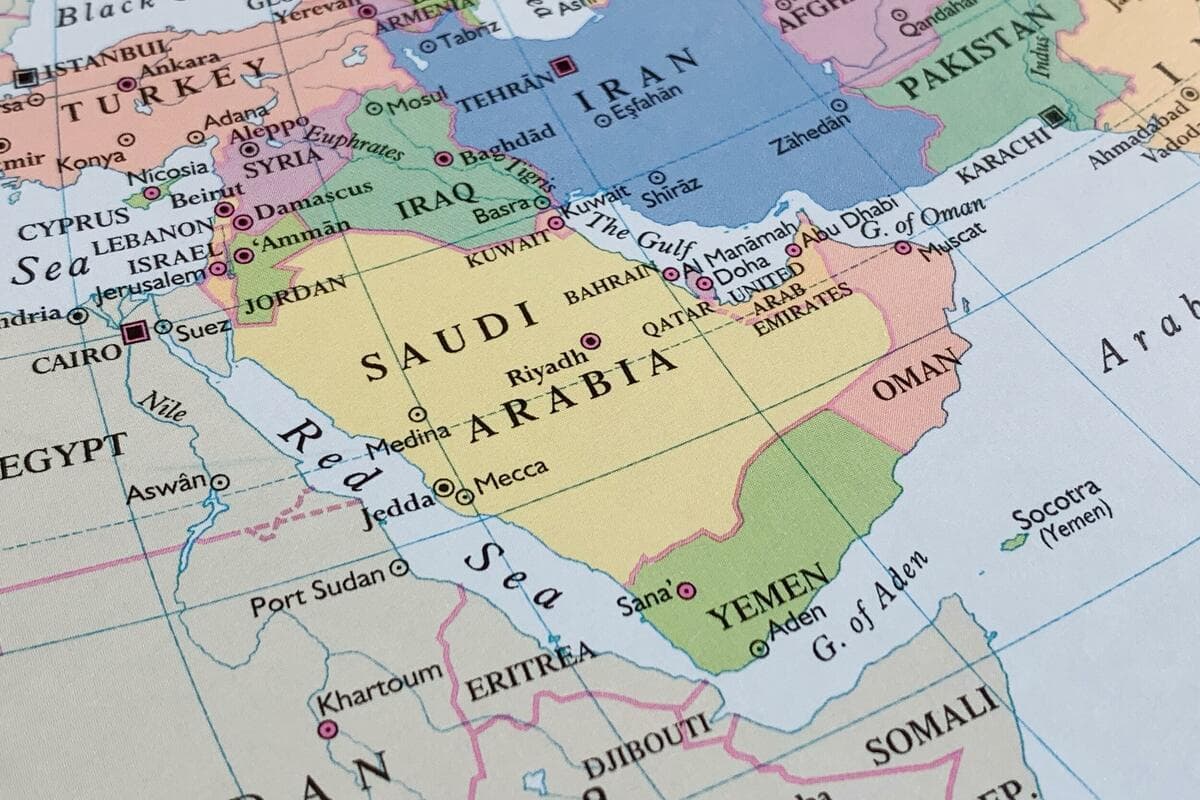
Saudi-Backed Yemeni Forces Reclaim Hadhramaut Military Camps From UAE-Backed Southern Transitional Council
22 sources compared