
U.S. House Passes Resolution to Terminate Trump's Canada Tariffs
Key Takeaways
- House voted 219–211 to rescind Trump's tariffs on Canadian goods
- Six House Republicans joined Democrats to pass the resolution
- Measure targets the national emergency underpinning tariffs but faces Senate hurdle and probable presidential veto
House vote on tariffs
The U.S. House on Wednesday voted 219–211 to approve a nonbinding resolution seeking to terminate President Trump’s national-emergency tariffs on Canadian imports, with six Republicans joining nearly all Democrats in a rare bipartisan rebuke of the administration’s trade policy.
“Published: Feb 11, 2026 07:15 pm The US House of Representatives delivered a bipartisan rebuke to the White House, voting to rescind tariffs President Donald Trump imposed on Canada last year”
Sponsored by Rep. Gregory Meeks, the measure was presented as an attempt to end the emergency declaration used to justify the tariffs and to register congressional disapproval; multiple outlets described the outcome as a symbolic but politically meaningful vote.
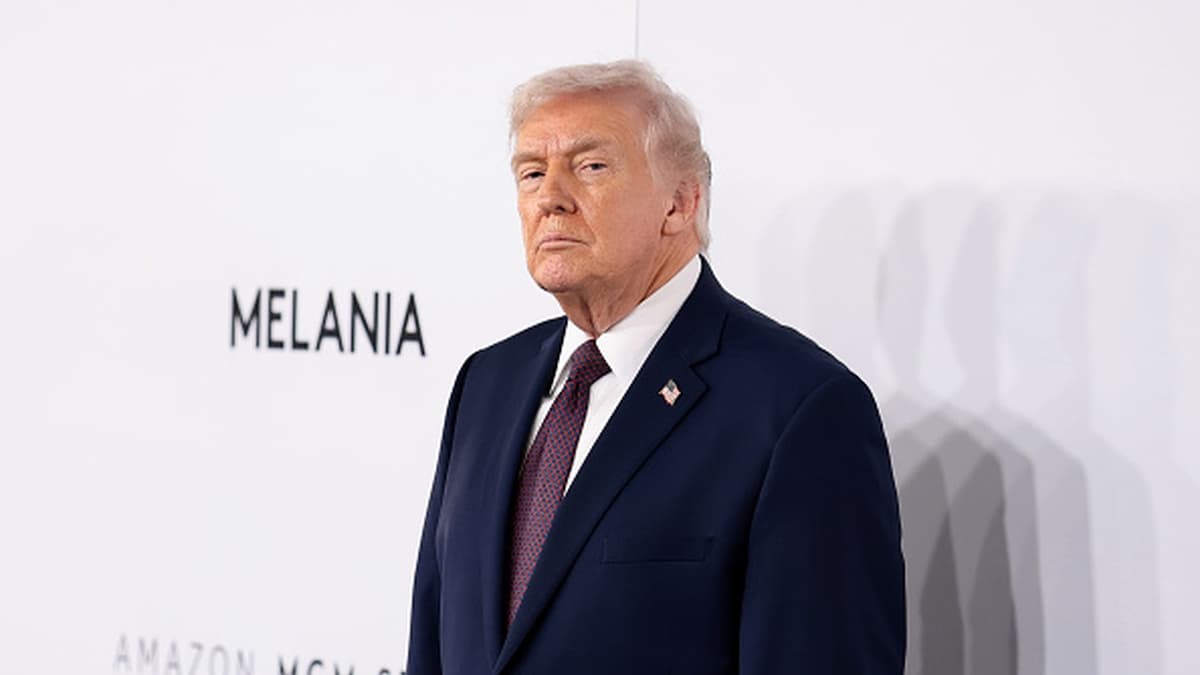
The action does not immediately lift the duties—any repeal would still require Senate approval and the president’s signature (or a successful veto override), leaving the tariffs intact for now even as Congress puts members on record.
Congressional tariff debate
Lawmakers offered competing rationales on the House floor: Democrats and some defecting Republicans argued the tariffs raise consumer prices and exceed presidential authority, while supporters defended them on national-security and anti-drug grounds.
Rep. Gregory Meeks and other critics said the tariffs had been "weaponized," harmed relations with Canada and even pushed Canada closer to China; Rep. Don Bacon described tariffs as a "net negative" tax on Americans.

Conversely, several Republican defenders and the White House framed the duties as tools to address security concerns and illicit trafficking.
Vote amid political pressure
The vote unfolded amid procedural skirmishes and public pressure from the White House.
“Every time Katherine publishes a story, you’ll get an alert straight to your inbox”
Speaker Mike Johnson unsuccessfully attempted to block or delay the floor action.
Outlets reported that a short-lived rule barring such votes had just expired, and three Republicans' early cooperation helped allow the debate to proceed.
President Trump weighed in directly, posting warnings on Truth Social urging Republicans not to abandon the tariff strategy and threatening political consequences for defectors.
Legal and political hurdles
Legally and politically, the resolution faces steep hurdles.
Even if the House measure advances, the tariff authorities it targets were established under a declared national emergency and therefore would require Senate concurrence and the president's assent to be undone; a veto or failed override would leave the tariffs in place.

Separately, Cryptopolitan reported the tariffs are the subject of a Supreme Court challenge, noting that justices expressed skepticism of the White House's defense and may issue a faster-than-usual ruling that could affect the policy's future.
Market and media reactions
Observers and markets interpreted the vote as more signal than immediate policy change, though it created political fallout for House members and potential diplomatic reverberations.
“The US House of Representatives voted on Wednesday to challenge President Donald Trumpâs controversial tariffs on Canadian goods”
InvestingLive described the vote as mainly a political signal for markets.
&w=3840&q=75)
Benzinga said the measure was widely expected to clear the Senate, but that a presidential veto was likely.
Cryptopolitan warned of diplomatic costs, arguing that tariffs had pushed Canada closer to China.
Coverage varied by outlet: Western mainstream media presented the result as a symbolic bipartisan rebuke and named defectors.
Asian and West Asian outlets framed the move in terms of congressional authority and international relations.
More on Canada
Suspects Fire Multiple Shots at U.S. Consulate in Toronto; RCMP Calls It National Security Incident
17 sources compared

18-Year-Old Suspect Massacres Students and Residents at Tumbler Ridge School and Home, Killing Nine
145 sources compared
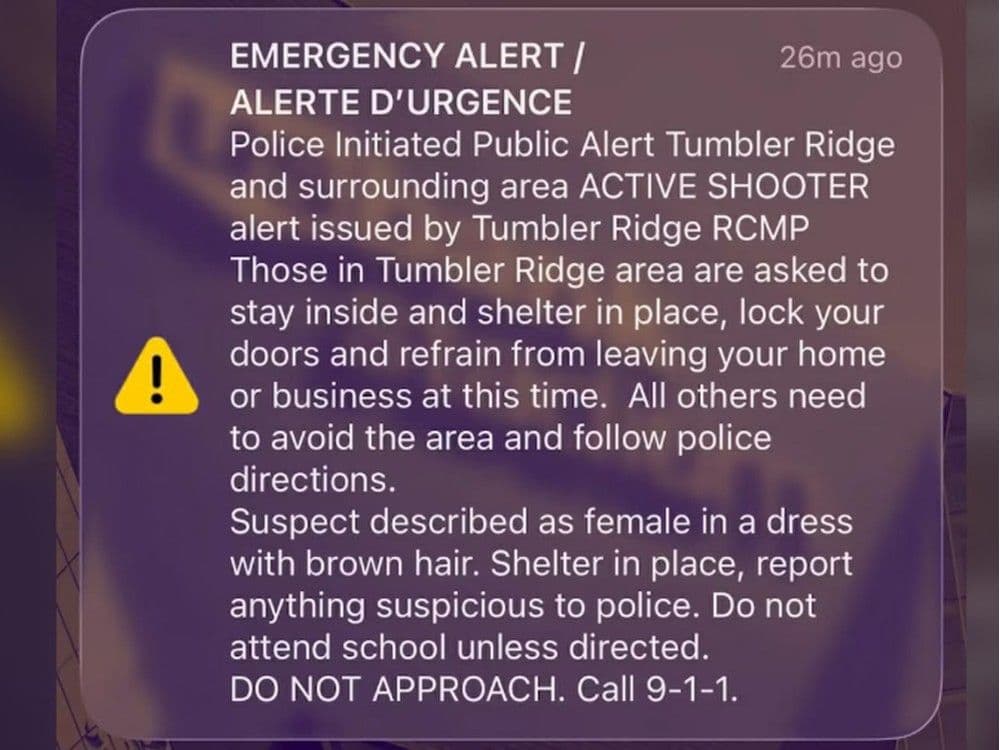
Female Shooter Kills At Least Nine at Tumbler Ridge School and Home, Then Kills Herself
49 sources compared

Trump Threatens To Block Gordie Howe Bridge Opening, Demands Full Compensation From Canada
55 sources compared