
UNESCO Designates Italian Cooking as Intangible Cultural Heritage
Key Takeaways
- UNESCO inscribed rituals of Italian food preparation and consumption as intangible cultural heritage
- Italy celebrated the UNESCO listing with public events, official speeches, and national enthusiasm
- Designation affirms Italian cuisine's global cultural significance and international recognition
UNESCO Lists Italian Cuisine
UNESCO has officially added Italian cooking to its list of intangible cultural heritage.
“Italian food is known and loved around the world for its fresh ingredients and palate-pleasing tastes”
The designation joins other recognized national culinary traditions, including French gastronomy and Mexican cuisine.
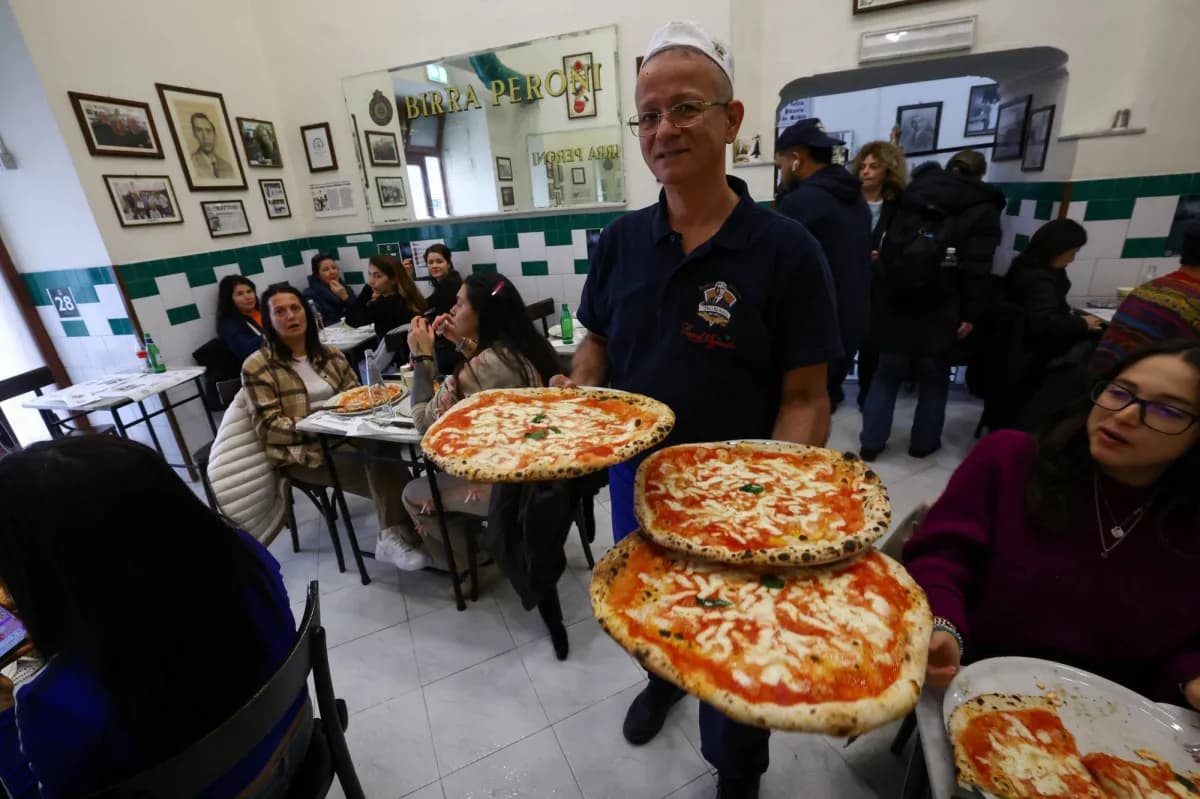
Rome plans celebratory acts such as lighting the Colosseum in Italy’s flag colors and holding an evening concert with triumphant government speeches.
Italy's nomination emphasized seasonality, fresh produce, low waste, regional diversity and influences from migrants, framing the recognition as both ceremonial and a statement about cultural sustainability.
Responses to Italian cuisine recognition
Sources differ on what they highlight about Italian cooking's heritage.
ASHARQ AL-AWSAT emphasizes sustainability and the idea of biocultural diversity, reporting that the campaign stressed these aspects of Italian food.
The report also includes personal reflections, such as a Roman pasta maker crediting family traditions for his craft and a tourist noting the central role of convivial family meals in Italian culture.
The Washington Post, while acknowledging the UNESCO listing, focuses more on the symbolic joining of other national cuisines and on public response.
The Post says the recognition simply validates the obvious, prompting both joy and some snickering.
These two angles, cultural practice and popular reaction, are complementary but distinct in emphasis.
UNESCO culinary recognition effects
Both sources note Italy's existing footprint on UNESCO's lists and point to potential economic and social effects, though with different detail.
“Italian food is known and loved around the world for its fresh ingredients and palate-pleasing tastes”
ASHARQ AL-AWSAT explicitly notes that Italy is already well represented on the list with 13 other entries, including the Mediterranean diet (shared with other countries) and Neapolitan pizza makers.
It cites officials saying the 2017 pizza recognition produced significant economic benefits, notably a more than 400% rise in accredited pizza-making schools, boosting tourism, product sales and training.
The Washington Post does not detail the economic statistics but situates the designation alongside other national culinary recognitions, implying prestige and ceremonial reward.
Together they suggest cultural recognition can bring measurable educational and tourism outcomes as well as symbolic capital.
Comparing media coverage
Coverage differs in scope regarding competing nominations and cultural context.
ASHARQ AL-AWSAT lists other contenders — Swiss yodelling, Bangladesh’s Tangail saree handloom technique and Chile’s family circuses — situating Italy's nomination within a broader, diverse competition of living traditions.
The Washington Post excerpt does not list those contenders and instead frames the move as part of a lineage of national cooking recognitions.
Because only two sources were provided, this summary cannot incorporate wider regional or alternative outlet perspectives, and the scarcity of sources limits cross-spectrum comparison beyond the identified cultural, detail, and tone differences.
More on Tourism

New York City Crews Clean Up Times Square After Chaotic New Year's Eve 2026 Celebration
11 sources compared

London Rings In 2026 With Controversial Ticketed River Thames Fireworks
46 sources compared

Family Wheels Dead 89-Year-Old British Woman Onto easyJet Flight
13 sources compared

Pope Leo XIV Flies to Lebanon to Bolster Long-Suffering Christian Community
106 sources compared