UK Slashes Aid Budget, Protects Ukraine, Palestine, Lebanon and Sudan While Cutting Mozambique and Pakistan
Key Takeaways
- UK will fully protect aid for Ukraine, Palestine, Lebanon, and Sudan next year.
- Mozambique and Pakistan face the largest cuts in direct overseas aid.
- Smaller overseas aid budget will be directed to areas in greatest crisis and conflict.
Aid Budget Reduction
The UK government has implemented substantial cuts to its foreign aid budget, reducing it from the previous Conservative government's 0.5% of gross national income to 0.3% by 2027.
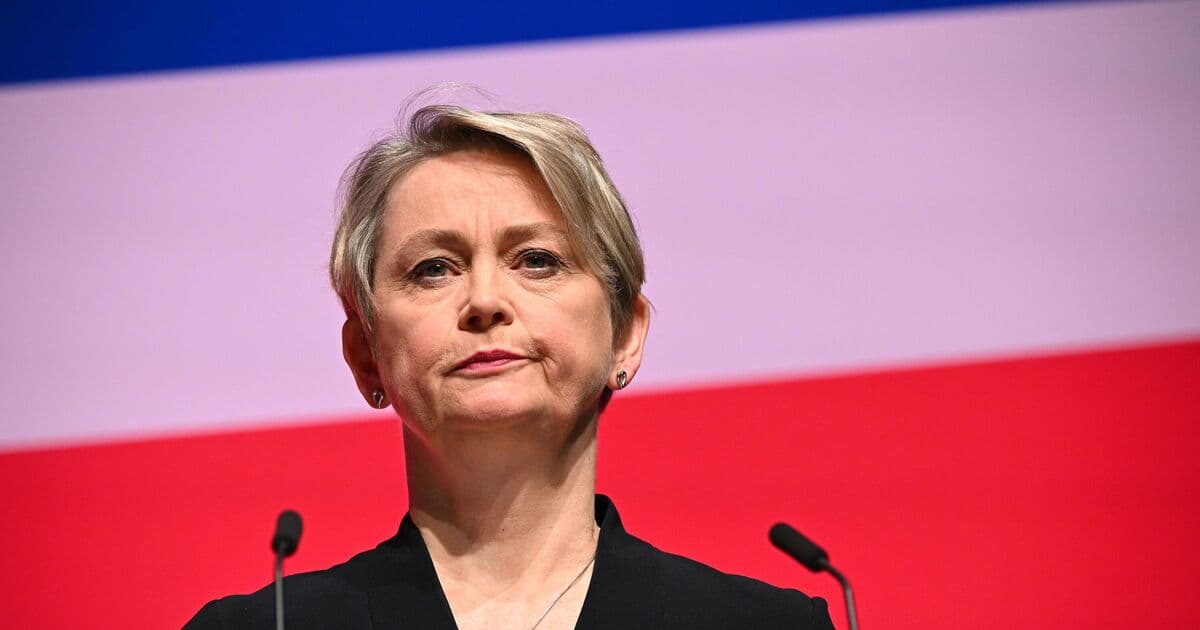
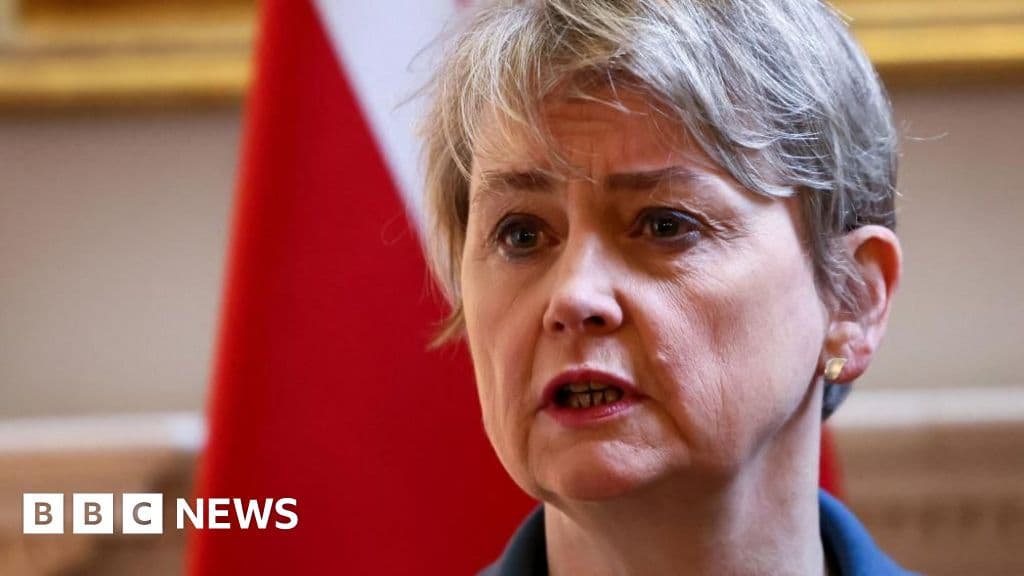
“UK reveals aid priorities after major cuts to budget Britain's smaller overseas aid budget will be targeted at areas in "greatest crisis and conflict", the foreign secretary has said, as she announced some countries face "significantly" reduced grants”
This represents an estimated £9.2bn total spending and a 31% reduction in total Official Development Assistance (ODA) expenditure.
This decision reverses Labour's 2024 election manifesto promise to restore spending to 0.7% of GNI as soon as fiscal circumstances allow.
The cuts come despite the UK having previously set a global benchmark at 0.7% before the pandemic reduction.
They follow Reform UK's November proposal to slash the budget by approximately 90% to just £1 billion ($1.3bn) annually.
The government's approach has faced widespread criticism from development experts and opposition politicians who warn of severe consequences.
These consequences include impacts on global health, security, and development progress.
Protected Priorities
Despite the overall budget cuts, the Foreign, Commonwealth and Development Office (FCDO) has identified specific priority areas that will be protected.
These include humanitarian assistance, global health, climate action, nature conservation, and economic development.
The government has committed to spending approximately £6 billion of ODA as International Climate Finance over the next three years.
They aim to leverage an additional £6.7 billion of UK-backed climate and nature-positive investments through various financial instruments.
The FCDO has also explicitly protected central programme spending on violence against women and girls.
This includes women peace and security initiatives and preventing sexual violence in conflict zones.
Furthermore, the government has set an ambitious target that at least 90% of FCDO bilateral ODA programmes will contribute to gender equality by 2030.
This demonstrates a strategic focus on gender mainstreaming across development efforts.
Expert Criticism
The aid cuts have triggered significant alarm among development experts and international organizations.
“Editing:Matteo Civillini The UK will cut overseas climate spending by more than 10% to fund higher defence budgets, despite agreeing to a global pledge to triple climate finance for developing countries by 2035”
They warn of devastating consequences for the world's most vulnerable populations.
Hannah Bond and Taahra Ghazi, co-CEOs of ActionAid UK, described cuts to climate finance as 'a huge betrayal for women and girls on the frontline of the climate crisis.'
Catherine Pettengell, head of Climate Action Network UK, accused the government of failing to deliver on its manifesto promises.
She said they promised to be 'a climate leader and create a world free from poverty on a liveable planet – but today's announcements leave those promises entirely unfilled.'
Romilly Greenhill of Bond emphasized that Africa and the Middle East will 'be forced to pay the highest price because of the reduced budget.'
Adrian Lovett of the ONE Campaign warned that 'slashing bilateral aid to Africa, where need is greatest, will have a devastating impact.'
This could leave millions without access to basic healthcare, education, and humanitarian support.
It also risks disease resurgences that have taken decades to fight.
Security Concerns
Political opposition and national security experts have raised serious concerns about the strategic implications of the aid cuts.
They warn these could weaken the UK's global influence and create opportunities for adversaries.

Liberal Democrat international spokesperson Monica Harding described the government's approach as 'strategically illiterate.'
She warned that Russia or China could fill the vacuum left by reduced UK engagement.
Labour MP Dr Beccy Cooper argued that the spending plans 'put Britain and the world at risk.'
She noted that unsupported health systems in poor countries lead to faster disease spread.
Conservative shadow Foreign Office minister Wendy Morton acknowledged the need for genuine reform but criticized the lack of transparency.
She stated 'very little' is known about the reform process.
Gareth Redmond-King of the Energy and Climate Intelligence Unit emphasized that climate finance is actually an investment in UK national security.
He noted that the UK imports two-fifths of its food from overseas, and climate impacts lead to shortages and higher prices.
Strategic Shift
The government has signaled a fundamental shift in approach to international development.
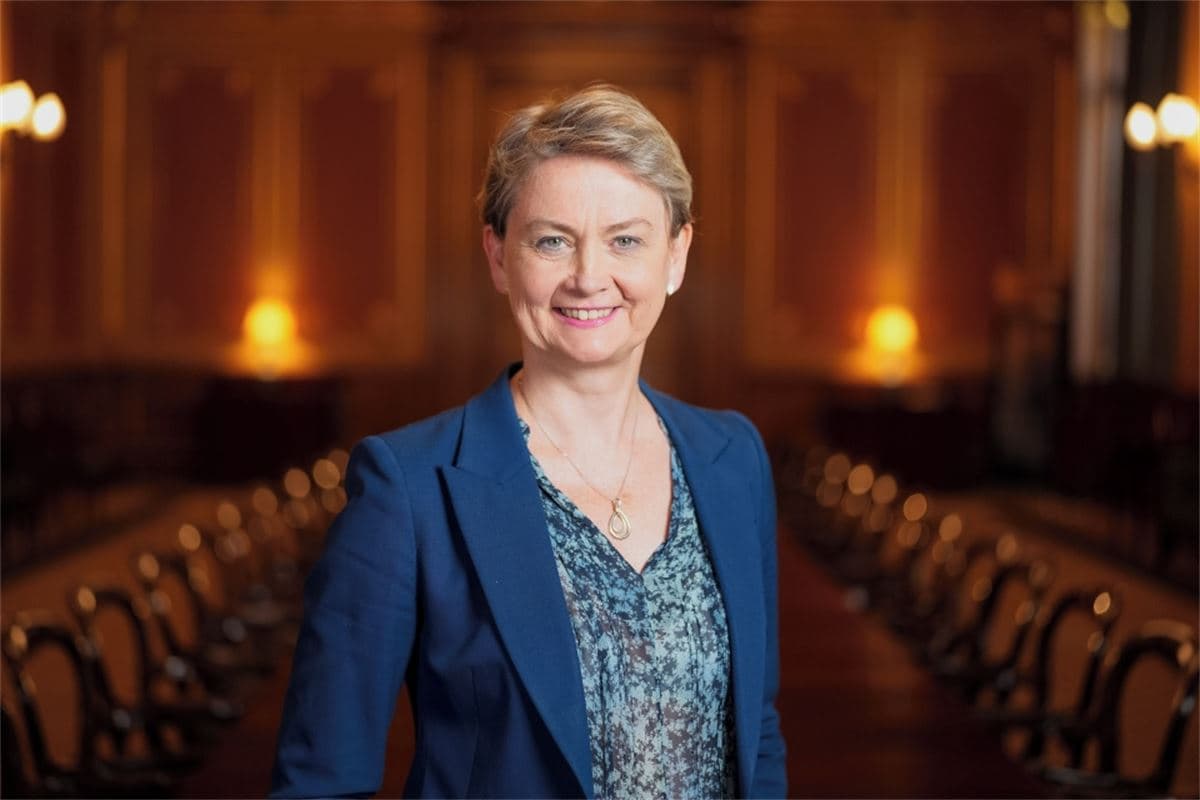
“Yvette Cooper has sparked backlash by pledging millions of pounds of taxpayer money to fund green schemes overseas”
This moves away from direct service delivery toward 'systems capacity building' and supporting local solutions.
International Development Minister Dr Beccy Cooper announced that the FCDO's programming would be restructured.
New 'thematic directorates' will focus on multilateral programming and international development system reform.
They will also focus on financial leverage and private capital mobilization.
And providing a responsive offer to partners where the UK can add value or broker expertise.
This approach aims to mobilize British International Investment and climate finance in areas with existing partnerships.
These areas have seen substantial reductions in bilateral funds.
The government emphasizes this represents a more strategic use of limited resources.
Critics remain concerned about immediate humanitarian impacts of reduced direct funding.
They also worry about potential gaps between ambitious goals and on-the-ground implementation.
More on Technology and Science

Trump Unveils National AI Policy Framework to Preempt State Laws
20 sources compared

Social media damages youth well-being, World Happiness Report 2026 finds
34 sources compared

Meta Pays Creators Up to $3,000 to Post on Facebook, Launching Creator Fast Track.
25 sources compared

Climate Change Drives Record March Heat in Southwest U.S.
14 sources compared