
UAE Withdraws All Forces From Yemen
Key Takeaways
- UAE announced withdrawal of its remaining military forces from Yemen.
- Saudi-led coalition bombed Mukalla, saying it struck a UAE-linked weapons shipment bound for the STC.
- Riyadh issued a 24-hour ultimatum ordering Emirati forces' exit, deepening Saudi–UAE diplomatic rift.
UAE withdrawal from Yemen
On Dec. 30–31, 2025, the United Arab Emirates announced it was withdrawing its remaining military personnel from Yemen and said it had ended the mission of its counter-terrorism teams and would redeploy forces back to the UAE.
“Qatar welcomed recent statements by Saudi Arabia and the UAE as reflecting a commitment to Gulf unity and GCC principles”
Abu Dhabi framed the move as voluntary and described it as a reassessment of the limited specialised deployments that had remained after a larger 2019 drawdown.

The announcement followed a major escalation in southern Yemen, including an airstrike on Mukalla and a rapid offensive by southern separatists.
Mukalla airstrike dispute
The immediate trigger for the crisis was a Saudi-led airstrike on the southern port city of Mukalla.
Riyadh said the strike targeted an unauthorised weapons shipment that had been offloaded there.

Saudi state media identified a vessel named Greenland and said two ships from the UAE port of Fujairah had delivered containers with weapons and armoured vehicles intended for UAE-backed southern separatists.
Abu Dhabi denied the shipment carried weapons and said it was surprised by the strike.
Multiple reports note that independent verification of the cargo and strike details was limited.
Southern Yemen political fallout
The strike and the wider southern offensive by the UAE‑aligned Southern Transitional Council (STC) prompted swift political fallout.
“Here’s a concise summary: - Yemen’s Presidential Leadership Council head Rashad Al‑Alimi gave a 24‑hour deadline for UAE forces to withdraw”
Yemen’s presidential council and Saudi Arabia demanded Emirati forces leave.
Rashad al‑Alimi dissolved a defence pact, ordered a 24‑hour withdrawal and imposed temporary border and port restrictions.
The STC refused to withdraw from seized positions and vowed to defend territory it controls.
Reporting varies on exact measures and durations, with some outlets describing 72‑hour closures or a 90‑day state of emergency in different parts of their accounts.
Emirati pullout impact
Analysts and defence sources warn the pullout could weaken counter‑terrorism operations against Al Qaeda in the Arabian Peninsula (AQAP) and complicate intelligence and special‑operations cooperation.
Defence experts quoted in regional outlets said Emirati teams had worked closely with U.S. and British forces, and that their absence makes confronting AQAP and ISIS affiliates more difficult.

Abu Dhabi, however, signalled it will retain some non‑permanent, specialised cooperation—advisors, air support and funding—rather than enduring ground deployments, saying the move is partly a shift toward de‑escalation and protection of personnel after deadly attacks.
Gulf rift and impacts
The dispute has broader regional and diplomatic ramifications, with reporting highlighting a sharp rift between two major Gulf partners, risks to humanitarian assistance if Mukalla’s port is disrupted, and possible knock-on effects for oil, OPEC+ coordination and Gulf diplomacy.
“- Saudi Arabia carried out airstrikes on Yemen’s southern port city of Mukalla after accusing the United Arab Emirates of sending a shipment of weapons and armored vehicles to UAE-backed separatists, the Southern Transitional Council (STC)”
Gulf states and external powers began urgent consultations, and U.S. officials held discussions with Riyadh and Abu Dhabi while Kuwait, Bahrain and Qatar urged dialogue and de-escalation.
Coverage varies in emphasis, with some outlets foregrounding the diplomatic and economic stakes such as oil and OPEC+ and others focusing on the immediate humanitarian and security risks to Yemen and the counterterrorism campaign.
More on Yemen
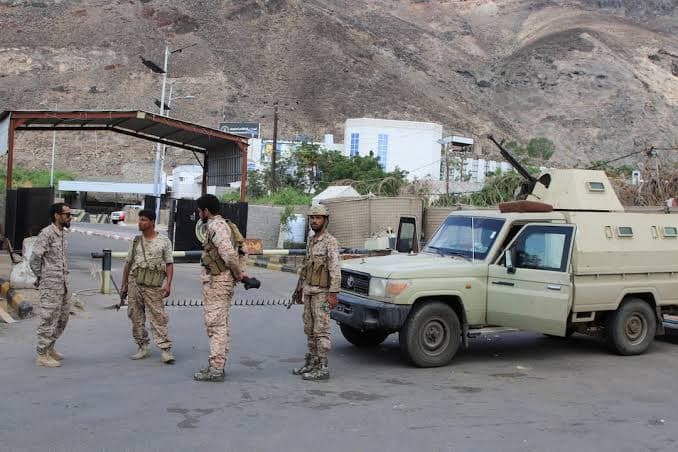
UAE Evacuates Yemeni Separatist Leader Aidarous al-Zubaidi by Boat, Saudi Coalition Alleges
16 sources compared

Southern Transitional Council Declares Disputed Dissolution in Riyadh
10 sources compared

Saudi-Led Coalition Launches Airstrikes on Al-Dhale Province Targeting Southern Transitional Council Leader Aidaros Alzubidi
30 sources compared
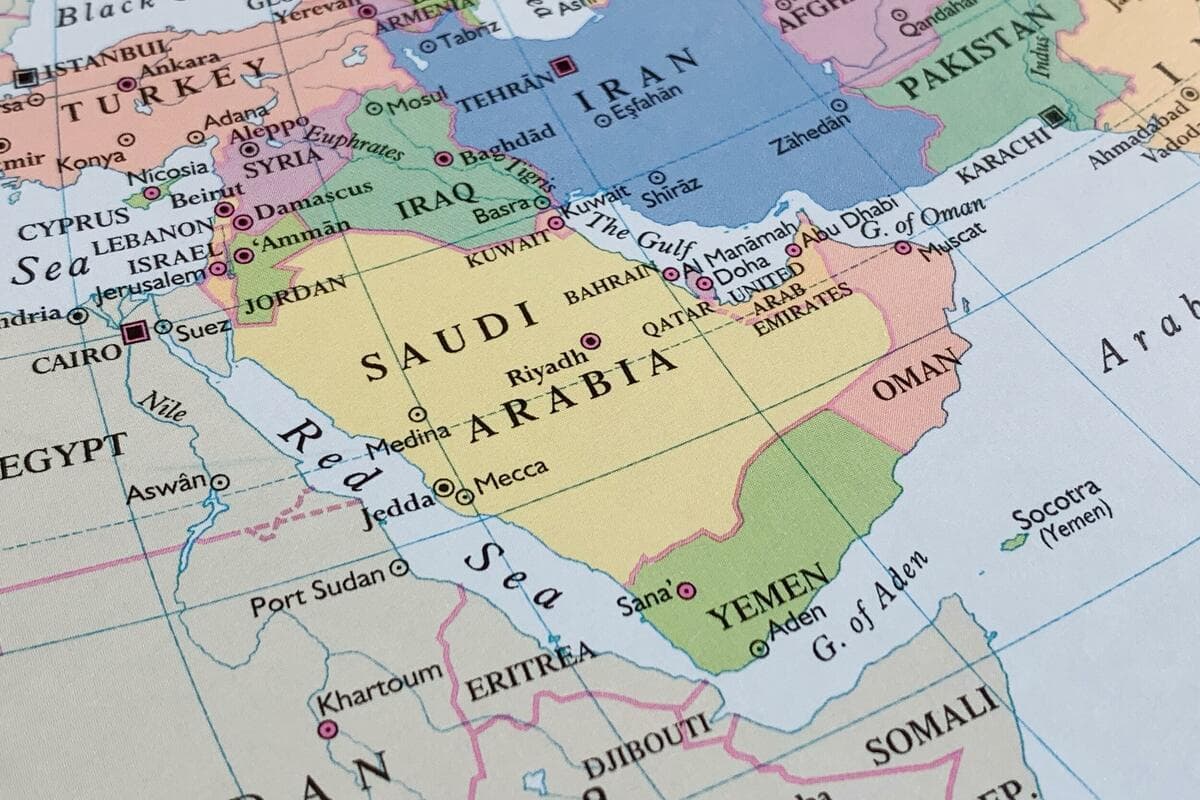
Saudi-Backed Yemeni Forces Reclaim Hadhramaut Military Camps From UAE-Backed Southern Transitional Council
22 sources compared