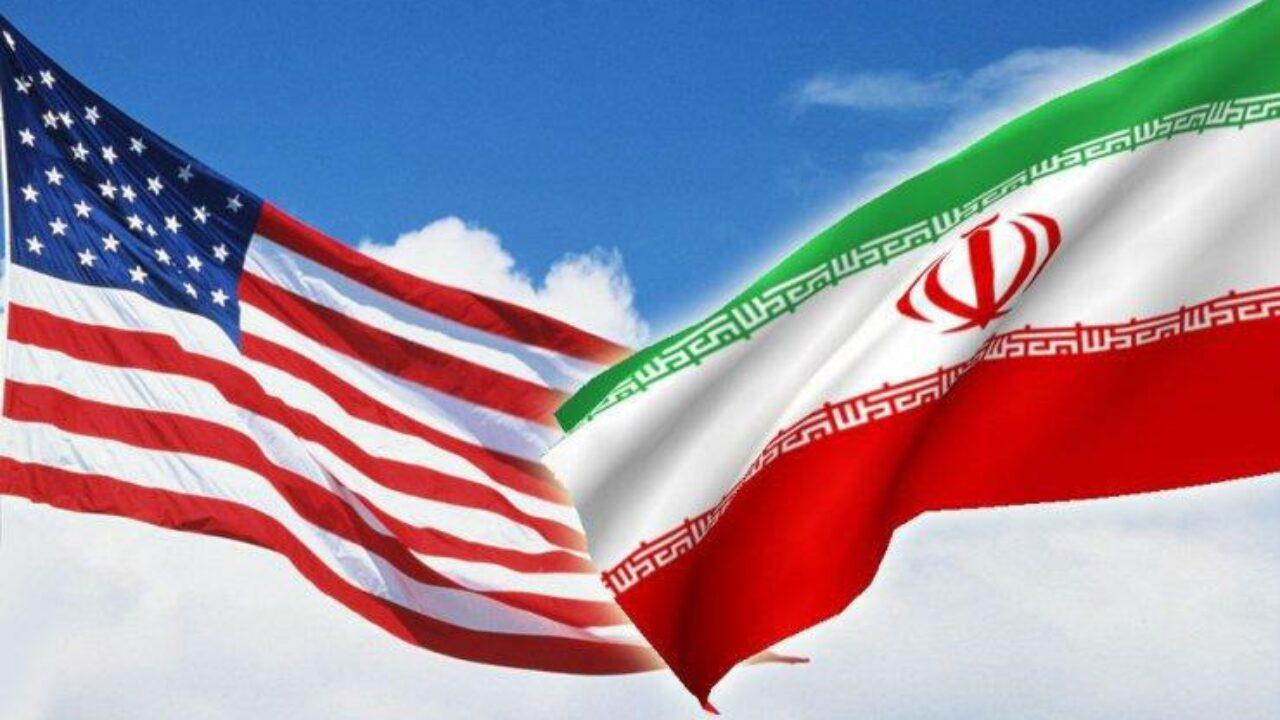
Trump Says U.S. and Iran Resume Peace Talks in Doha After Strait of Hormuz Attacks
Key Takeaways
- US and Iran halt attacks and plan talks in Doha this week.
- Talks aim to revive an interim peace deal governing the Strait of Hormuz.
- Doha talks mediated by Qatar with Pakistani backing.
Doha talks after Hormuz clashes
U.S. President Donald Trump said the U.S. and Iran are set to resume peace talks in Doha on Tuesday after both sides agreed to halt a series of tit-for-tat attacks over the Strait of Hormuz.
“Toggle Play 'Tit-for-tat US-Iran attacks appear to be over’ Former US Ambassador to Oman Richard Schmierer says recent US-Iran military exchanges appear to have run their course, with Qatar and Pakistan helping bring both sides back to diplomacy”
Trump wrote on Truth Social, “IRAN HAS REQUESTED A MEETING. IT WILL TAKE PLACE TOMORROW IN DOHA! President DJT.”

The Guardian said the announcement came after Iran on Saturday targeted a cargo ship in the strait in a drone attack and the U.S. Central Command launched retaliatory strikes against Iranian “military surveillance infrastructure, communication systems, air defense sites, drone storage facilities and minelayer capabilities”.
CNBC reported that White House press secretary Karoline Leavitt said special envoys Steve Witkoff and Jared Kushner would travel for the meeting, and that “Technical talks are slated to continue on all areas of the MOU,” according to a U.S. official.
The dispute is tied to the Strait of Hormuz ceasefire and the interim peace deal signed on June 17, which the DW report said was threatened by attacks by both Iran and US over the weekend.
Competing claims on talks
Iran’s foreign ministry spokesperson Esmail Baghaei told Reuters that US officials’ trip to Doha had nothing to do with the Iranian delegation visiting the city, adding, “We have not yet entered the stage of negotiating a final agreement … Over the coming days, we will not have any negotiation meetings with the US side at any level.”
The Guardian reported that Trump’s announcement followed Iran’s drone attack on a cargo ship and the U.S. retaliatory strikes, while it also said Iran’s Islamic Revolutionary Guard Corps then launched a joint missile and drone operation targeting eight US military sites in Kuwait and Bahrain.

In a separate account, DW said an Iranian official, Kazem Gharibabadi, told reporters there are no technical talks with the US this week and that the demining of the Strait of Hormuz should be carried out solely by Iran, in accordance with the Islamabad Memorandum of Understanding between Tehran and Washington.
NBC News said White House press secretary Karoline Leavitt later described the Doha trip as “high-level meetings” held alongside “technical talks,” and it reported that a senior Iranian official denied any technical discussions were scheduled.
Axios reported that a senior U.S. official told the outlet, “We decided to stop all the kinetic activity,” and that a second U.S. official said both sides would stand down “for now” and that “vessels can move freely” as technical talks continued.
What’s at stake next
The talks are framed around the June 17 interim peace deal and the 14-point memorandum of understanding, with Reuters reporting that the U.S. and Iran gave themselves at least 60 days to implement the 14-point memorandum to extend an April ceasefire, discuss Iran’s nuclear program, and negotiate a permanent truce.
Reuters also said the disagreement over whether the sides would even meet underscored the fragility of the June 17 accord that has disrupted global oil flows through the Strait of Hormuz.
NBC News reported that the clash centers on control over the Strait of Hormuz, which Iran says it retains under the Memorandum of Understanding signed with the U.S., and it said Iran views a new United Nations-backed route near Oman as unacceptable after it led to an uptick in ships making it through the strait.
DW reported that Iran’s deputy foreign minister Kazem Gharibabadi said the removal of mines from the Strait of Hormuz should be carried out solely by Iran, and it added that France should avoid further provocation after comments by French President Emmanuel Macron.
The Guardian said the White House stepped in to seek an off-ramp from resuming hostilities even as it remained unclear “whether Iran can charge fees for passage in the future,” while it also reported that Oman’s foreign minister Badr al-Busaidi said Oman was in discussions with Iran on charging service fees for transiting the strait.
More on USA

Supreme Court Overturns 1935 Precedent, Lets Trump Remove FTC Commissioner At Will
11 sources compared
Senate Ethics Committee Dismisses Complaint Against Arizona Sen. Ruben Gallego
14 sources compared

U.S. Supreme Court Blocks Trump From Firing Fed Governor Lisa Cook, Upholds Other Firings
39 sources compared

SBI and FBI End Inmate Takeover at Bertie-Martin Regional Detention Center in Windsor
10 sources compared