Trump Says U.S. And Iran Near Agreement To Reopen Strait Of Hormuz And Extend Ceasefire
Key Takeaways
- Trump says US and Iran near ceasefire; reports indicate imminent agreement.
- Destruction and removal of Iran's enriched material reportedly part of framework.
- Terms not disclosed; MoU draft not yet approved per multiple reports.
MOU Nears, Hormuz Focus
U.S. President Donald Trump said on Thursday that the United States and Iran were nearing an agreement to settle a three-and-a-half month-long conflict that has closed the Strait of Hormuz, sent oil shocks through the world, and affected global growth projections.
“What the US says is in the potential Iran war agreement Iran gets rewarded economically if they meet the obligations, an official said”
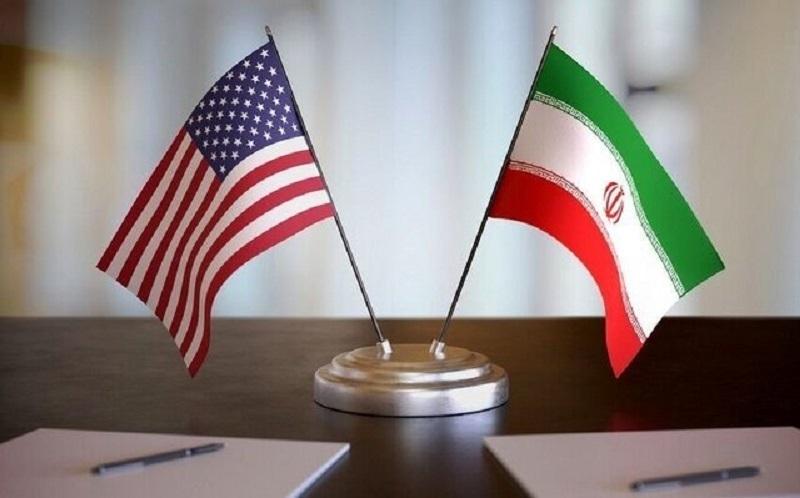
Iranian Foreign Minister Abbas Araghchi said on Friday that the two sides have “never been closer” on terms, while Pakistani Prime Minister Shehbaz Sharif claimed in a social media post the same afternoon that “a final, agreed upon text of the peace deal has been reached.”

The expectation described by the Council on Foreign Relations is that an initial pact—a memorandum of understanding (MOU)—would extend the ceasefire for at least sixty days and open the Strait of Hormuz, a choke point for nearly one-fifth of the world’s oil and natural gas supply.
In a separate account, ABC News reported that a senior administration official said the prospective deal would reopen the Strait of Hormuz and lift the U.S. blockade on it, and that it would “leads to the dismantling of the Iranian nuclear program.”
The BBC reported that Araghchi told state TV the deal also includes the lifting of a U.S. blockade of Iran, with talks on Iran’s nuclear programme beginning later, after the war began with U.S. and Israeli strikes across Iran on 28 February.
Competing Narratives, Signing Uncertain
Trump said on Thursday he was not “100 percent” certain they had reached a deal, and the Council on Foreign Relations quoted Steven Cook saying, “Even if they do and an MOU is announced, negotiations on the outstanding issues, especially on Iran’s nuclear program, will be long and difficult.”
The BBC said US officials confirmed some details, including that economic benefits for Iran would depend on Tehran meeting its obligations, and that the deal would be followed by a 60-day period of negotiation focusing on Iran's enriched uranium.

In a briefing with journalists, the BBC reported that US officials said the steps would come into effect more or less immediately, and that the deal was meant to reopen the Strait of Hormuz in return for the US lifting its blockade on Iranian shipping.
Le Monde reported that Abbas Araghchi wrote in a social media post that “The Islamabad Memorandum of Understanding has never been closer,” while Trump posted a screenshot of the message hours later and accused the Iranians of negotiating in bad faith and misrepresenting the terms.
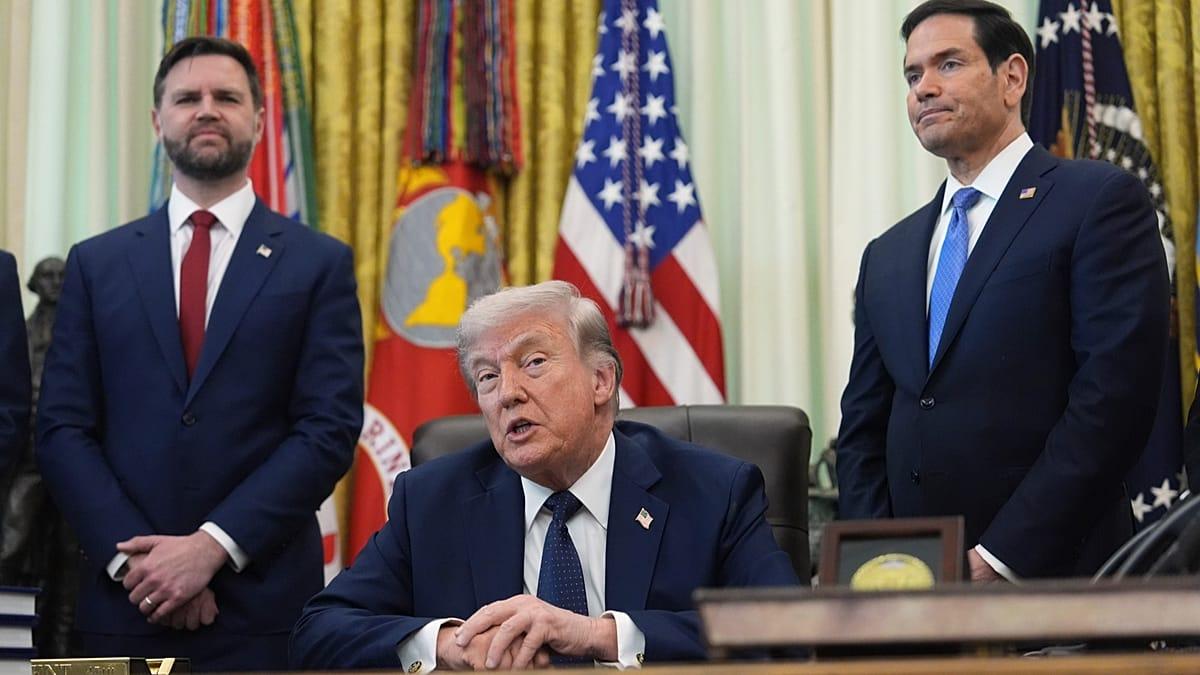
Le Monde also reported a senior US official telling reporters, “If I were to give you a confidence that we were going to be signing this agreement, I maybe would have said 75% this morning, it's probably more like 80-85% now, but it's not 100%,” as the Swiss foreign ministry said it had proposed Switzerland as a venue for a possible signing.
Nuclear, Assets, and Regional Fallout
The BBC said the deal calls on Iran to stop funding proxy groups in the region, a reference to Hezbollah and other Iranian proxies across the Middle East, while also emphasizing that the MOU was not based on trust or promises but on “performance.”
“Factbox-Main provisions of the 2015 Iran nuclear deal abandoned by Trump WASHINGTON, June 12 (Reuters) - The U”
ABC News reported that the senior administration official said the Iranians would be “rewarded economically” if they meet their obligations, while also saying the official denied that Iran would get any sanctions relief or financial relief upfront.
DW reported that a key point of contention is how to handle Iranian assets frozen abroad, which are estimated to amount to as much as $100 billion (€86 billion), with Tehran calling for the release of between $6 billion and $12 billion and the US wanting funds released only gradually and strictly for humanitarian purposes.
DW also said the center of the negotiations is Tehran's nuclear program, including what is believed to be around 400 kilograms (970 pounds) of uranium enriched to around 60%, and that Iran's state-run IRNA news agency said that “Iran's right to enrich uranium and the retention of enriched material... will be emphasised.”
In a separate Israeli account, ynetnews quoted an Israeli official saying, “From our perspective, it is a catastrophe, because it does not meet any of the principles we spoke about when the war began,” and described another Israeli official saying the deal taking shape “looks very bad.”
More on Iran

United Arab Emirates Denies Releasing $10 Billion Frozen Iranian Assets After Reuters Report
15 sources compared
White House Confidence Rises to 85% for US-Iran Agreement, Trump Says Not 100%
25 sources compared

Iran Says It Agreed With Washington on Guiding Principles After Geneva Talks
18 sources compared
Pakistan Says Final Agreed Text Of U.S.-Iran Peace Deal Reached, Sharif Says
33 sources compared