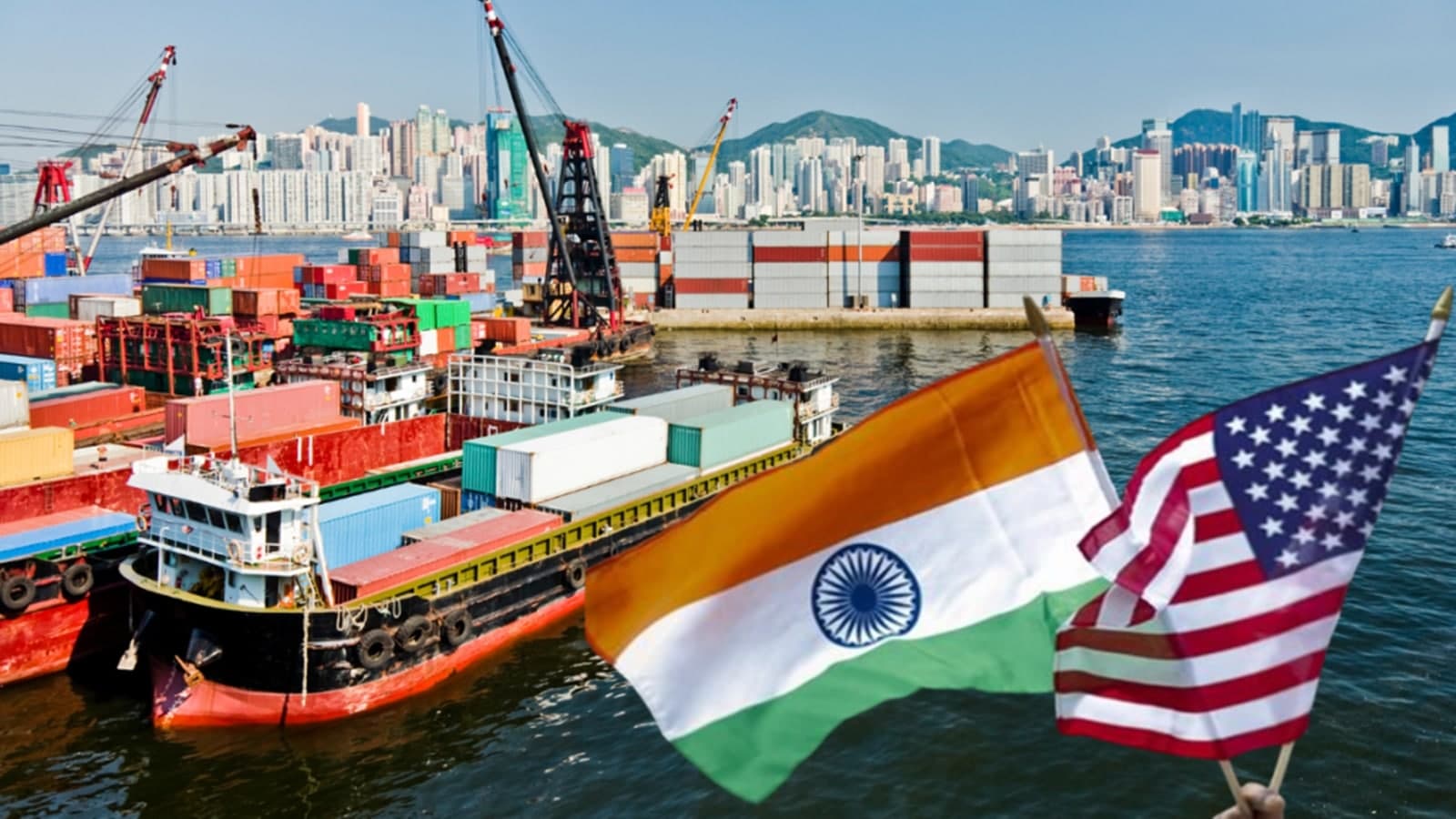
Trump Announces U.S. Will Cut Tariffs on Indian Exports to 18% in Trade Deal
Key Takeaways
- U.S. will cut tariffs on Indian goods to 18%.
- India will stop importing Russian oil, buying U.S. and Venezuelan crude instead.
- Trump announced the deal on Truth Social after a phone call with Prime Minister Modi.
U.S.-India trade deal
President Donald Trump announced after a call with Prime Minister Narendra Modi that the United States and India had reached a bilateral trade understanding.
“Global Times reporter covering international affairs, politics and society”
He said the deal would sharply lower U.S. tariffs on Indian goods to 18%.
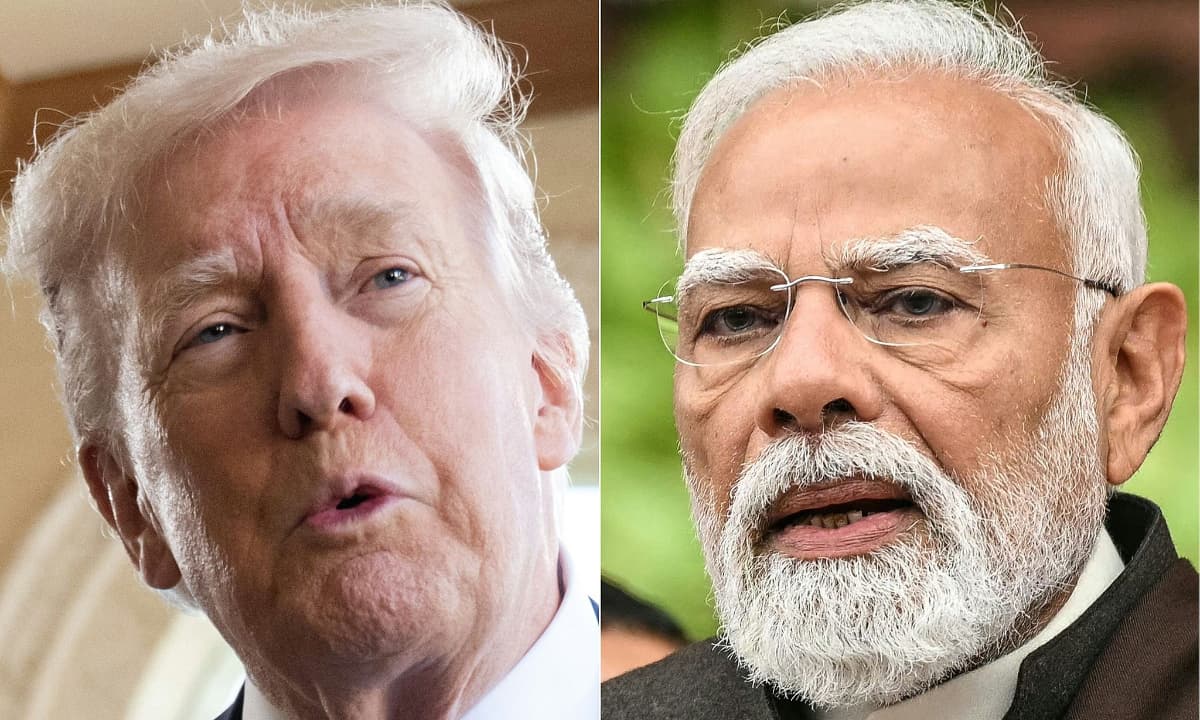
The package would also include large Indian purchases of U.S. goods.
Reports said it would include commitments by India to stop buying Russian oil and to buy more U.S. oil, and potentially Venezuelan oil.
They also said India would increase purchases of U.S. energy, technology, agriculture and other goods, with figures Trump cited at roughly $500 billion in additional purchases.
Different outlets reported slightly different starting points for the tariff cuts and some phrasing varied.
Multiple sources agreed on three core elements: tariff reductions, suspension of a punitive 25% tariff tied to Russian oil purchases, and large Indian purchases of U.S. goods.
Indian reactions to trade deal
Indian reactions and official confirmation are mixed in the reporting.
Prime Minister Modi posted on X that he was 'delighted' by the tariff reduction, and Indian ministers were reported to have confirmed a trade deal.

However, several sources note that India has not formally or fully confirmed all of the specific claims made by President Trump.
Mint explicitly states that India has not confirmed Trump's statements, while Hindustan Times and Dainik Jagran report Modi’s social posts and ministerial confirmations.
Moneycontrol and other outlets record domestic criticism; for example, Congress MP Manish Tewari warned that publicly outlining deal elements 'transgresses' India’s strategic autonomy.
Tariffs and oil deal context
Reporting emphasizes the broader context of high tariffs and trade friction.
“On Monday, US President Donald Trump announced a long‑awaited trade deal between India and the United States”
Several sources note prior high tariffs, with Benzinga and The Indian Express referencing tariffs up to 50% in past measures and reporting that a 25% punitive tariff tied to Russian oil would be rolled back.
Mint and other outlets provide data showing India’s seaborne Russian oil purchases have fallen from earlier peaks.
The Indian Express adds that India has already reduced several tariffs and enacted measures such as the SHANTI Bill to accommodate aspects of the deal.
These developments suggest domestic policy adjustments preceded or accompanied the announcement.
Media reactions and framing
Observers differ on the announcement’s strategic implications and overall tone.
Moneycontrol highlights concerns about Indian strategic autonomy and quotes critics who say a foreign leader publicly outlining deal terms 'transgresses' that autonomy.

The Hindu focuses on U.S. diplomatic moves and the use of sanctions tools that framed Washington’s push.
By contrast, Benzinga and Hindustan Times present the announcement as a major commercial opening and a message of mutual cooperation.
Dainik Jagran and other outlets emphasize the large purchase figure announced by Trump and 'Buy American' commitments.
Some local and international outlets therefore emphasize sovereignty and geopolitical costs while mainstream business-focused outlets emphasize trade gains and tariff rollbacks.
Bhaskar English’s snippet is off-topic and asks for the article to be pasted, showing that not all outlets provided an independent report.
More on India

Pakistan Attacks Kabul Omid Hospital, Killing Over 400, Taliban Says
12 sources compared

Pakistan Airstrike Kills Hundreds at Kabul Drug Rehabilitation Center
41 sources compared
Afghanistan Says Pakistan Strikes Kabul Hospital, Killing 400
77 sources compared
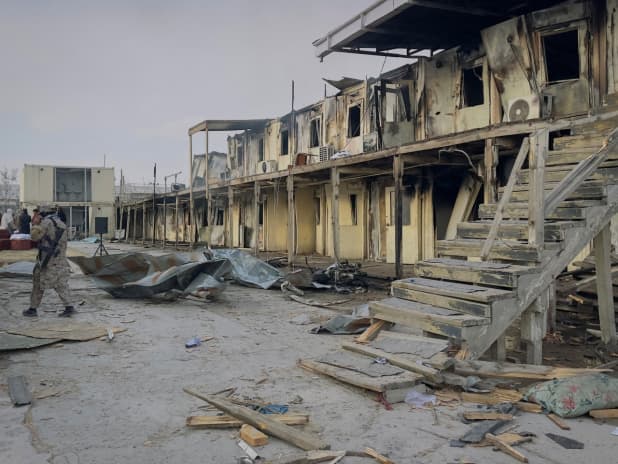
Afghanistan Says Pakistan Killed 400 at Kabul Hospital
244 sources compared