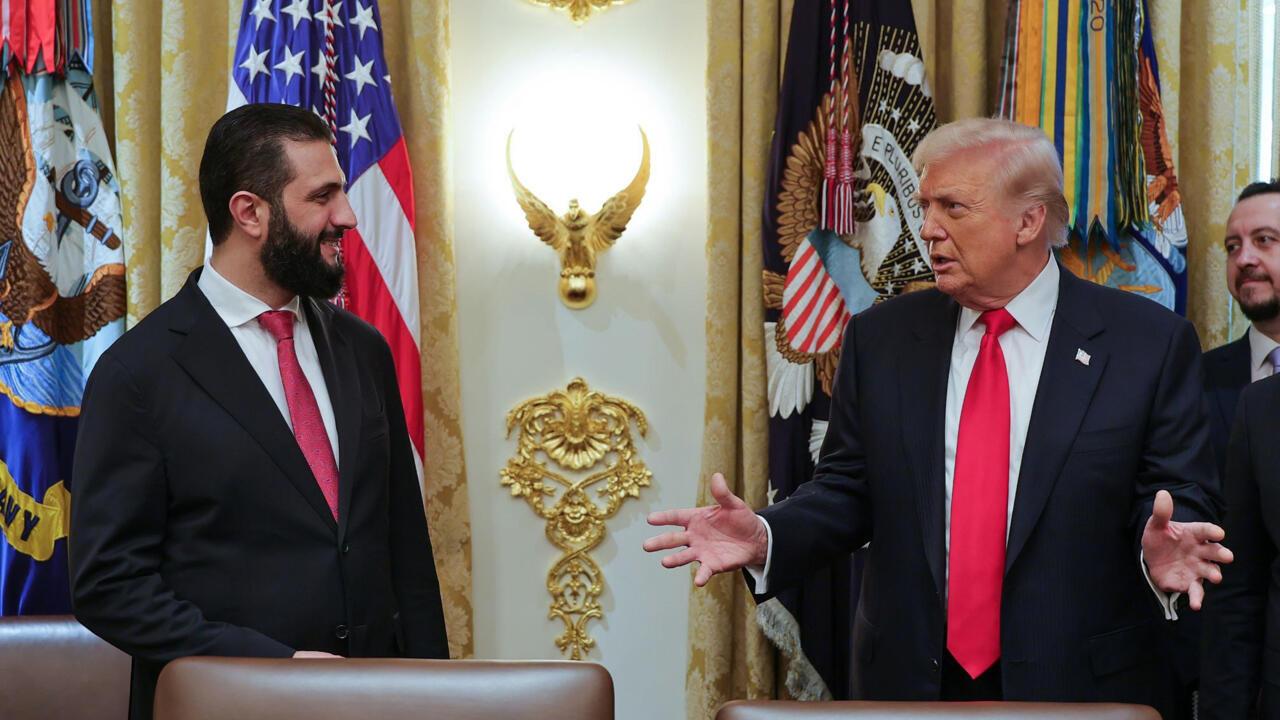
Syrian Army Offensive East of Aleppo Closes Maskanah and Deir Hafer Military Zones
Key Takeaways
- Syrian army launched an offensive east of Aleppo, closing Maskanah and Deir Hafer as zones.
- Authorities accused the SDF of concentrating forces and drone attacks there.
- The action targeted last Kurdish-held areas west of the Euphrates, including Tabqa.
Offensive, ceasefires, and language
On 13 January, the Syrian army launched an offensive to the east of Aleppo, declaring Maskanah and Deir Hafer “zones militaires fermées” and accusing the FDS of concentrating forces there and carrying out drone attacks.
“The definitive lifting of sanctions by the American Congress will allow the return of investments in Syria, one year after the fall of Bashar al-Assad”
The same account says the FDS announced on 15 January that they would close the main crossing points between their controlled areas and the rest of the country at Tabqa, Raqqa and Deir-ez-Zor, and that on 16 January they announced the evacuation of Deir Hafer, marked by fighting despite a de-escalation agreement.

It adds that the Syrian president Ahmed al-Charaa issued a special decree declaring Kurdish as the official national language of Syria, making Newroz a national public holiday, and granting nationality to all Syrian Kurds.
The article also states that Tabqa fell “presque sans combats” on 18 January, followed by Raqqa and the zones east of Deir-ez-Zor, and that a ceasefire agreement was concluded the same day between the U.S. special envoy Tom Barrack and Ahmed al-Charaa.
It further reports that, despite an official truce, fighting continued on 19 and 20 January, including around prisons and detention camps holding Islamic State detainees.
U.S.-Kurds rupture and accountability
The Les clés du Moyen-Orient account describes a tense 17 January meeting in Erbil between Kurdish officials and a U.S. delegation, where the FDS accused the United States of not honoring commitments about Kurdish administration of majority-Kurdish areas and limiting Syrian army presence to a brigade stationed in the north-east.
In that same meeting, the article says the United States reproached the Kurds for delaying implementation of an integration agreement signed in March 2025 between the FDS and Damas.
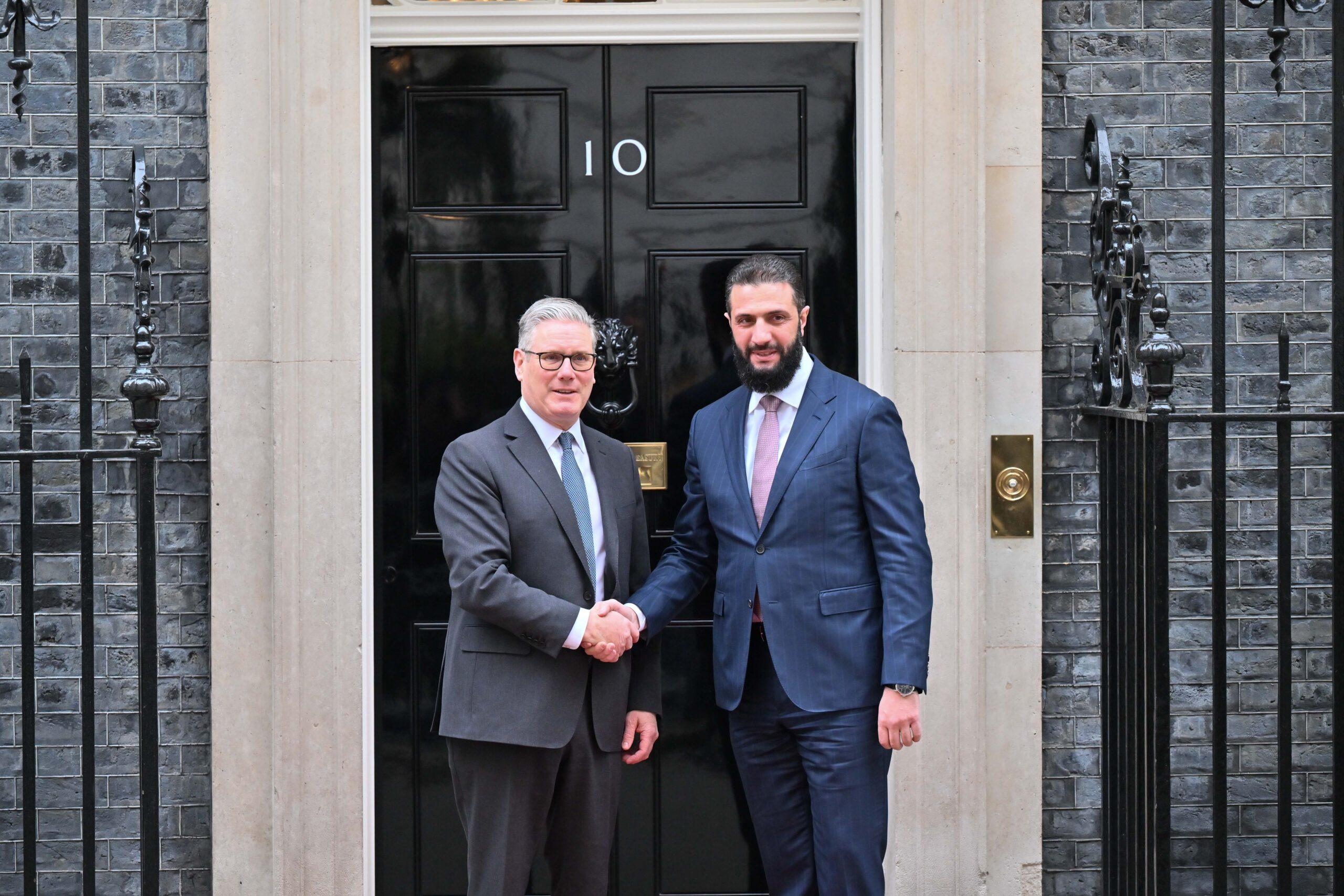
Separately, the Syrian presidency said on Sunday that Ahmed al-Sharaa held a phone call with U.S. President Donald Trump to discuss supporting the Syrian economy and the latest regional developments, with Sharaa saying lifting remaining U.S. sanctions would be “an essential step toward reviving the Syrian economy and attracting investment.”
The Reuters report also frames Trump’s side as emphasizing diplomacy to prevent further escalation during the call.
Together, the two accounts portray a shift from the Erbil rupture over Kurdish integration to a later U.S.-Syrian focus on sanctions relief and reconstruction.
Sanctions relief and reconstruction stakes
After the fall of Bashar al-Assad, the Euronews account says the UN refugee agency reported that more than one million refugees and nearly two million internally displaced Syrians have returned home since the fall of al-Assad’s regime.
Euronews adds that Karolina Lindholm Billing, the UNHCR representative in Lebanon, said the U.S. decision to lift the hard-hitting sanctions on Syria could encourage more refugees to return, while noting that refugees returning to destroyed homes with little prospect of work may risk leaving again.
The same Euronews report says the U.S. Senate voted on Wednesday to permanently remove the sanctions known as the Caesar Act after the Trump administration had temporarily lifted penalties by decree, and it states that Donald Trump was expected to approve the final repeal on Thursday.
In parallel, the Reuters-based phone-call coverage says Sharaa told Trump that lifting remaining sanctions would be fundamental for economic recovery and reconstruction, and that Trump stressed diplomacy to prevent further escalation.
The stakes in the sources are therefore tied to whether sanctions relief accelerates reconstruction and investment, and whether that translates into conditions that affect refugee returns and displacement.
More on Syria
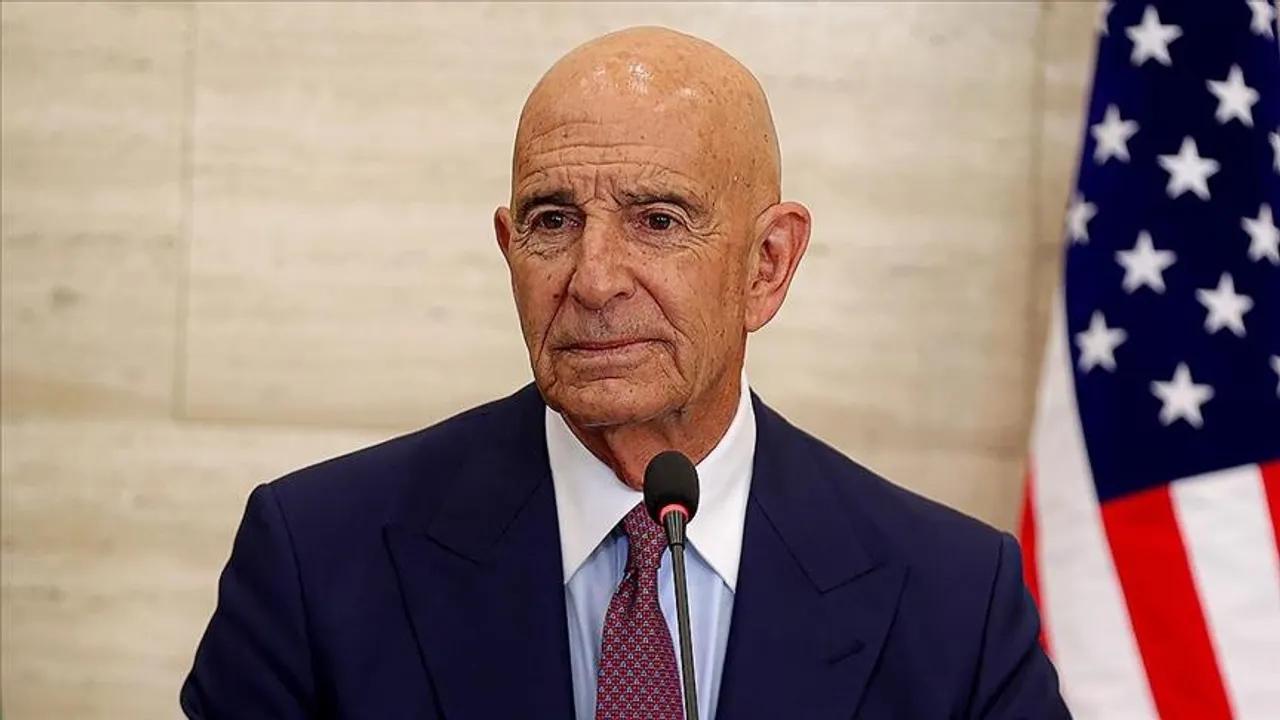
Marco Rubio Ends Tom Barrack’s US Special Envoy Mandate for Syria
11 sources compared
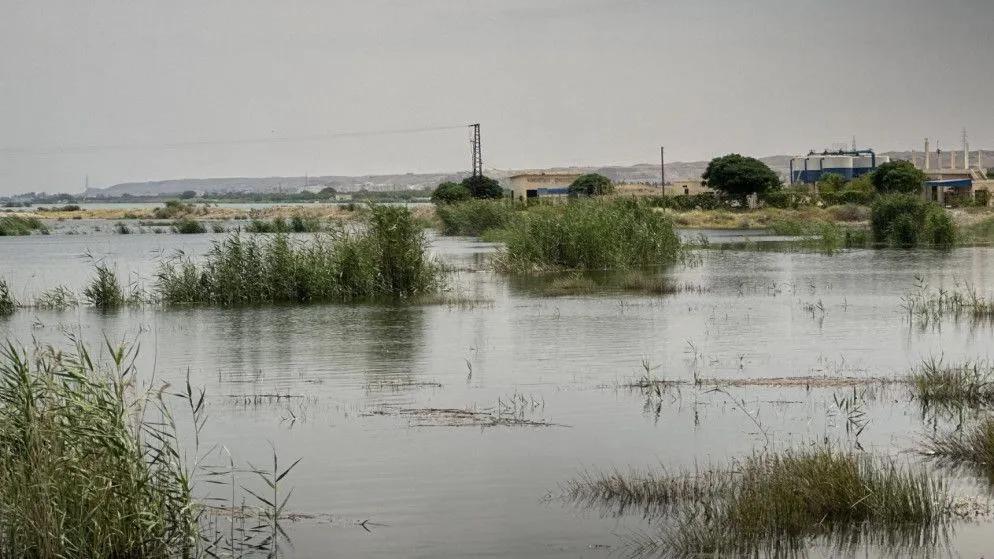
Ahmed al-Sharaa Visits Deir Ezzor After Euphrates Floods Displace Thousands
18 sources compared
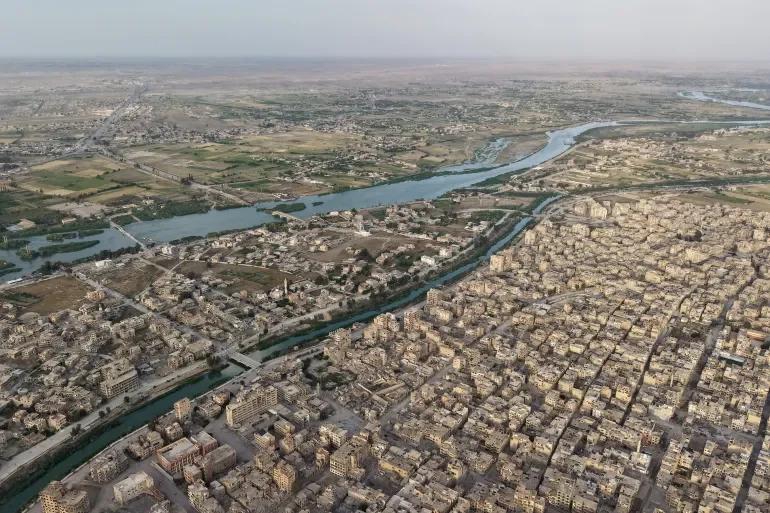
U.S. Bombardments Hit Tabqa Dam, Triggering Fears of Catastrophic Euphrates Flooding in Syria
20 sources compared
Syria Interior Ministry Arrests Former Regime Officer Mohammed Mohsen Nayouf
10 sources compared