
Southern Transitional Council Refuses to Withdraw From Provinces Near Saudi Arabia
Key Takeaways
- Southern Transitional Council refuses to withdraw from Hadramawt and Al‑Mahrah provinces
- Saudi-led coalition struck Mukalla port targeting alleged UAE-linked weapons and vehicles shipments
- United Arab Emirates announced withdrawal of its remaining counterterrorism forces from Yemen
STC seizure escalates Yemen conflict
The Southern Transitional Council (STC) refused Saudi-led coalition demands to withdraw from positions it recently seized in Hadramawt and Al-Mahra, including the key port city of Mukalla, deepening a rift between Riyadh and Abu Dhabi and escalating fighting in southern Yemen.
“I don’t see the article yet”
Saudi statements and coalition strikes followed the STC’s rapid gains and expulsions of Saudi-aligned forces.

The STC and its allies rejected withdrawal orders and said they were securing territory and fighting jihadist and Houthi threats.
The standoff has prompted emergency measures from Yemen’s Presidential Leadership Council, including a state of emergency and orders for Emirati forces to leave.
The situation has raised warnings about further destabilization along the Saudi border.
Mukalla strike and response
Riyadh said it struck shipments and material at Mukalla after accusing vessels from the UAE port of Fujairah of disabling tracking and offloading weapons and armoured vehicles bound for the STC.
Saudi state media released footage showing damaged vehicles, and the coalition described the operation as a "limited" strike aimed at an "imminent threat."

The UAE denied the allegation, said the cargo contained vehicles for its own forces, expressed surprise at being targeted, and soon announced a withdrawal of its remaining counter-terrorism teams, framing the move as voluntary and coordinated with partners.
Yemen political fallout
Yemen's Presidential Leadership Council leader Rashad al‑Alimi canceled a joint defence pact with the UAE and ordered Emirati forces to leave within 24 hours.
He also imposed a 90‑day state of emergency and a 72‑hour restriction on crossings and port access in some areas.
These moves were described by some PLC allies as necessary but were called unilateral and procedurally flawed by other council members.
The STC rejected withdrawal demands and accused the PLC of overreach.
Several anti‑Houthi factions imposed emergency measures and suspended cooperation with the UAE, further splintering the anti‑Houthi camp.
STC gains and resupply risks
On the ground, the STC has consolidated control of key southern areas.
It has expelled Saudi-aligned National Shield forces in places including Mukalla, flown South Yemen flags, and held pro-secession rallies.

Analysts warn the incident could be a 'calibrated escalation' that consolidates STC gains but constrains future armaments because Saudi air superiority may limit resupply.
Observers also note that footage and ship-tracking, with the roll-on/roll-off Greenland frequently identified, fed much of the immediate public narrative about the deliveries and the strike.
Gulf rift and humanitarian risks
International actors warned against escalation and emphasized humanitarian risks.
“- Observers say the timing of the UAE announcement is politically significant and aligns with Saudi backing for Yemen’s demand that foreign forces withdraw or stop supporting local factions”
U.S. officials urged restraint and diplomacy as Gulf partners clashed.

The U.N. called for protection of civilians and of port infrastructure amid concerns that aid flows could be disrupted.
Analysts warned the rift could deepen Yemen’s humanitarian crisis and further imperil Red Sea shipping already strained by Houthi attacks.
Markets and regional diplomacy were unsettled as the Saudi–UAE split raised wider strategic and economic questions.
More on Yemen
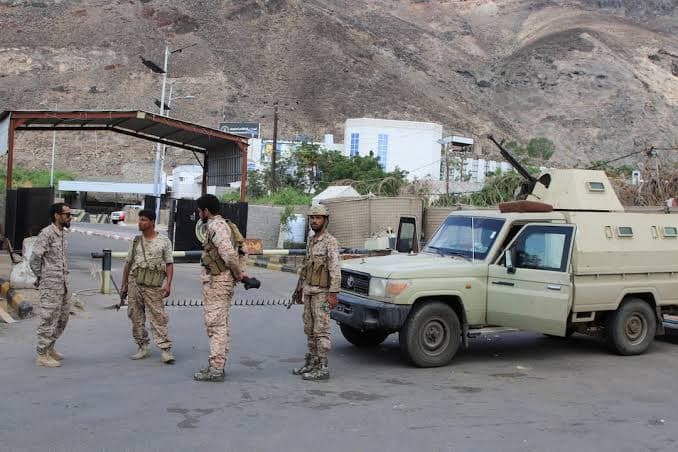
UAE Evacuates Yemeni Separatist Leader Aidarous al-Zubaidi by Boat, Saudi Coalition Alleges
16 sources compared

Southern Transitional Council Declares Disputed Dissolution in Riyadh
10 sources compared

Saudi-Led Coalition Launches Airstrikes on Al-Dhale Province Targeting Southern Transitional Council Leader Aidaros Alzubidi
30 sources compared
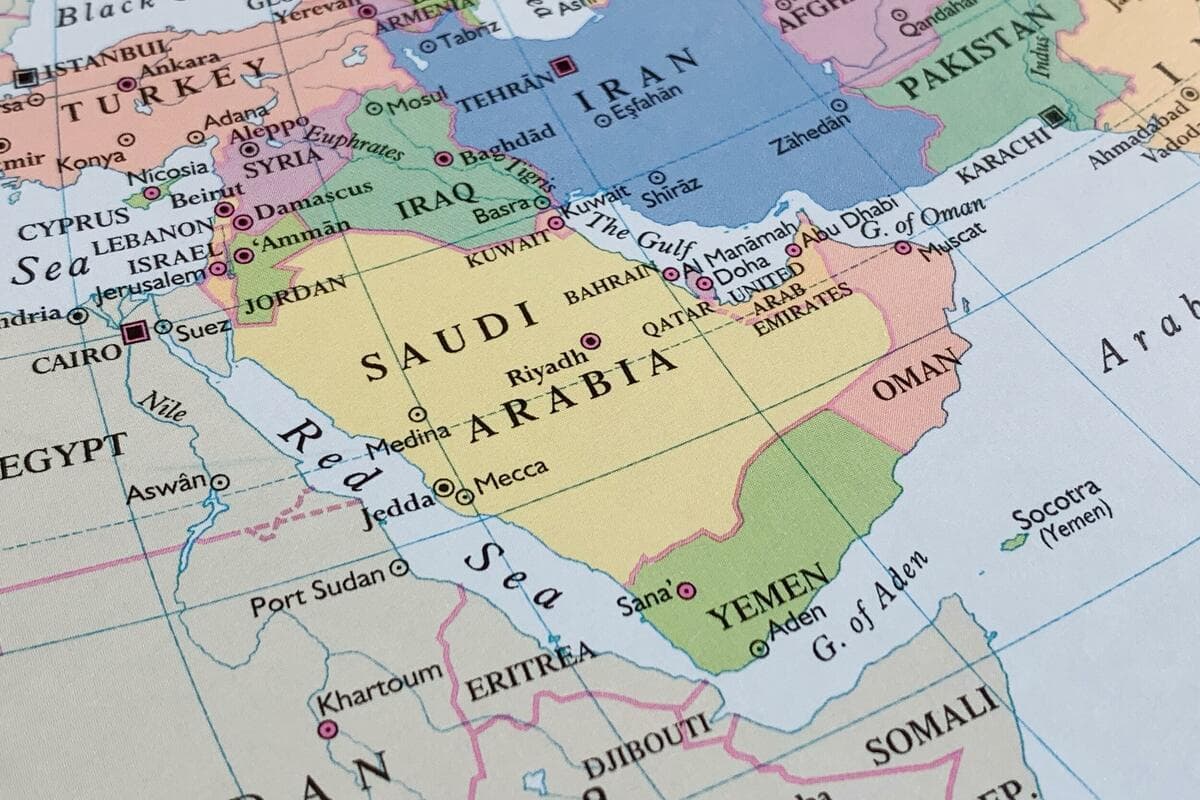
Saudi-Backed Yemeni Forces Reclaim Hadhramaut Military Camps From UAE-Backed Southern Transitional Council
22 sources compared