
Saudi Arabia and Egypt Sign Visa Exemption for Official Passport Holders
Key Takeaways
- Saudi Arabia and Egypt signed visa exemption for official passports.
- Exemption covers diplomatic, special, and service passport holders.
- Signatories were Saudi Foreign Minister Prince Faisal bin Farhan and Egypt's foreign minister Badr Abdelatty.
Diplomatic Milestone
Saudi Arabia and Egypt have formalized a significant bilateral agreement免除official passport holders from short-stay visa requirements, marking a key step in deepening diplomatic and administrative ties between the two Arab nations.
“RIYADH— Saudi Foreign Minister Prince Faisal bin Farhan and Egypt’s Minister of Foreign Affairs, Emigration and Egyptian Expatriates Badr Abdel Aati signed an agreement in Riyadh on Thursday to exempt holders of official passports from short-stay visa requirements”
The agreement was ceremonially signed in Riyadh on March 18, 2026, bringing together Saudi Foreign Minister Prince Faisal bin Farhan and Egypt's Minister of Foreign Affairs, Emigration and Egyptian Expatriates Dr. Badr Abdelatty.
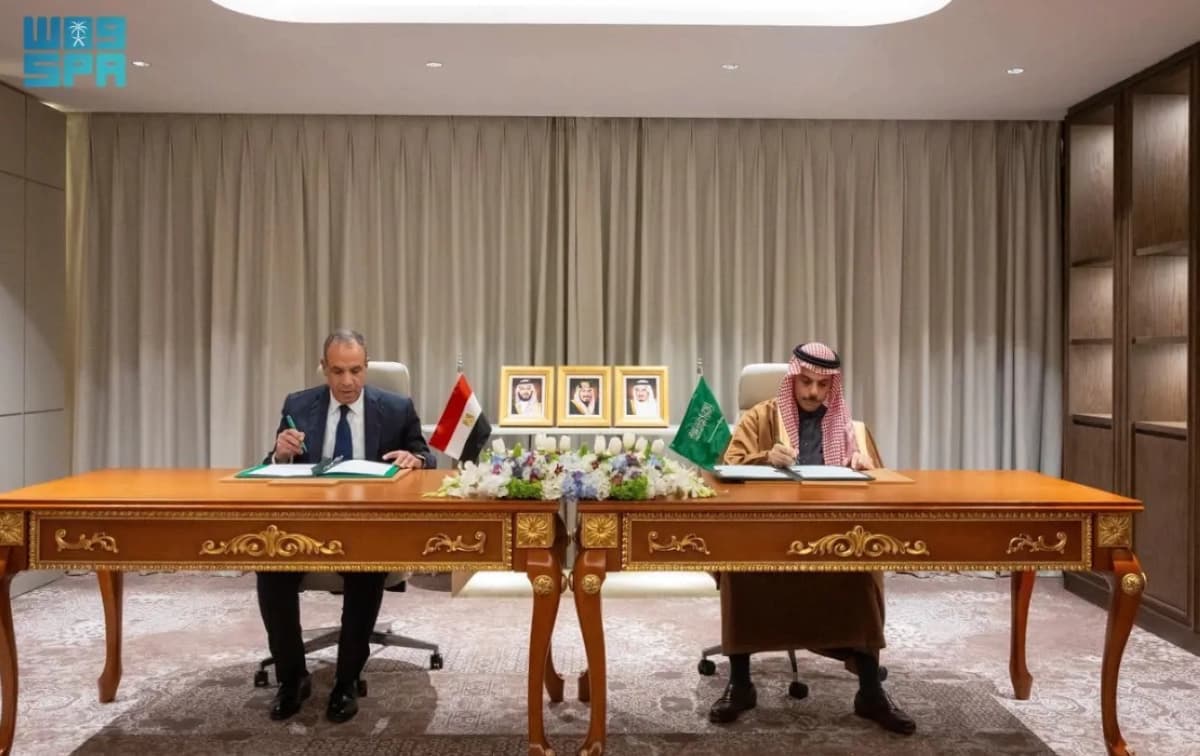
This diplomatic milestone occurred on the sidelines of a ministerial consultative meeting, underscoring the strategic importance both nations place on seamless official communication and cooperation.
Eligible Passport Categories
The visa exemption arrangement specifically targets holders of diplomatic, special, and service passports issued by both governments, creating a streamlined travel framework for official personnel.
This comprehensive coverage includes diplomatic representatives, government officials on special assignments, and administrative staff who require frequent cross-border mobility for their duties.

The reciprocal nature of the agreement ensures that eligible travelers from both Saudi Arabia and Egypt can move between the two countries without bureaucratic visa procedures, significantly reducing administrative barriers that previously complicated official visits and engagements.
Strategic Relations Context
This visa exemption agreement represents a strategic continuation of deepening bilateral relations between Saudi Arabia and Egypt, reflecting both nations' commitment to enhanced cooperation across multiple sectors.
“COOKIE NOTICE We use cookies for analytics, advertising and to improve our site”
The move comes within the framework of strong and established diplomatic ties that have been systematically strengthened over recent years, with both countries recognizing the importance of institutional cooperation in addressing regional challenges and opportunities.
By removing administrative barriers to official travel, Saudi Arabia and Egypt are demonstrating their shared interest in facilitating smoother communication and coordination at governmental levels.
Practical Benefits
The practical benefits of this visa exemption agreement are expected to be substantial for both governmental and institutional cooperation.
Government officials and representatives who frequently travel for diplomatic, administrative, and institutional purposes will experience significantly enhanced mobility, allowing for more timely and efficient execution of their duties.
The arrangement is particularly beneficial for officials engaged in cross-border projects, joint initiatives, and regular consultations between the two governments.
By streamlining travel procedures, the agreement aims to strengthen institutional cooperation and support closer coordination between Cairo and Riyadh, potentially leading to more responsive and effective bilateral engagements.
Regional Implications
This visa exemption agreement aligns with broader regional trends towards enhanced Arab cooperation and economic integration, particularly between the two most populous Arab states.
“Saudi Arabia and Egypt have signed an agreement to exempt holders of official passports from short-stay visa requirements, in a move aimed at easing travel and reinforcing cooperation between the two countries”
Saudi Arabia and Egypt, as key regional powers, are demonstrating their commitment to facilitating people-to-people contacts and institutional partnerships that transcend traditional bureaucratic hurdles.
The move comes at a time when Arab nations are increasingly recognizing the importance of seamless official exchanges in addressing shared challenges and pursuing common development goals.
By prioritizing administrative efficiency and cooperation, both countries are setting a positive example for other Arab nations seeking to strengthen their bilateral relations through practical, people-centered initiatives.
More on Africa

Boko Haram suicide bombers kill 23 in Maiduguri
24 sources compared

Somaliland Offers US Exclusive Access to Minerals and Military Bases to Win Recognition
10 sources compared

Boko Haram Gunmen Massacre Scores of Villagers in Kwara and Katsina After Sending Letter Asking to Preach
19 sources compared
Boko Haram Gunmen Massacre Villagers in Kwara After Sending Letter Asking to Preach
20 sources compared