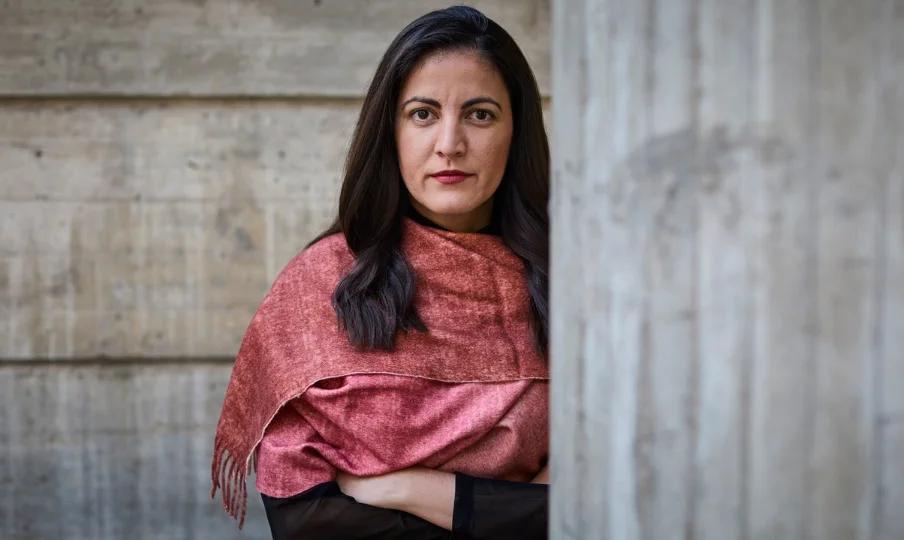
Rosa María Payá Urges Democratic Transition in Cuba as U.S. Pressure Mounts
Key Takeaways
- Payá urges unity among Cuban democratic groups to transition to pluralism with rights.
- International pressure, including the U.S., supports change, but Cuba must decide domestically.
- She leads Cuba Decide; cites a pivotal moment requiring accelerated international support.
Payá backs street pressure
Cuban opposition leader Rosa María Payá, head of the Cuba Decide initiative, said the “future of Cuba is in Cuba, and change is made in Cuba” as she welcomed international pressure, including from the United States, for democratic transformation.
“The news was confirmed on social media by his sister, Ana Belkis Ferrer García”
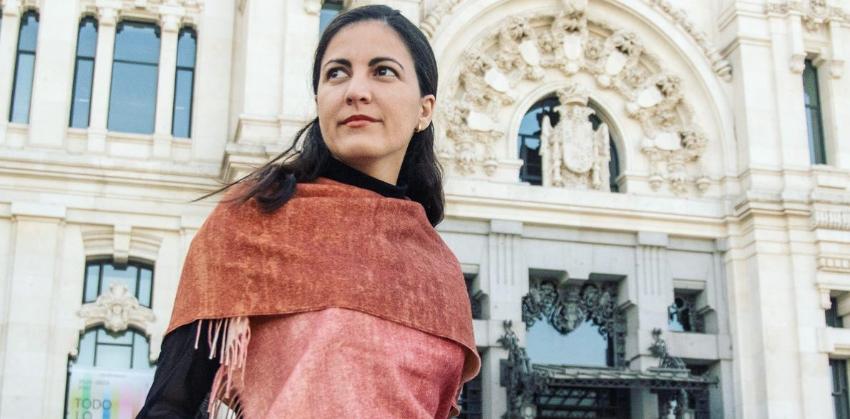
Speaking from Madrid during the Third Cuba Daily Forum 2026: For the Cuba of Tomorrow, Payá warned, “Either we organize ourselves and provide a democratic alternative to the Cuban people, or history will pass over us.”
El Mundo America reported that Payá tied the push for change to what she described as U.S. pressure on “the criminals in power in Cuba,” including those she said have the power “to shoot at people protesting in the streets.”
In the same El Mundo America interview, Payá said the opposition is preparing for a transition that would be “provisional until we can have free and fair elections,” and she framed the “Liberation Agreement” as a roadmap signed in Miami between Pasos de Cambio and the Assembly of Cuban Resistance and ratified in Madrid.
Protests and human rights
RC Noticias said Payá described an “exponential growth of street protests since 2021,” saying the desire for change is “evident, unequivocal, undeniable.”
RC Noticias also quoted Payá arguing that international pressure is essential for political change, saying, “Whether it comes from the United States or not, international pressure is essential for political change in our country.”
EFE reported that Payá called for measures that “cost no money and can be done in 24 hours,” including the release of all “political prisoners” and guarantees of fundamental rights.
EFE further quoted Amnesty International’s Johanna Cilano Peláez urging that “victims and human rights be at the center” of any dialogue for political change, while Armando Chaguaceda Noriega said that without the end of Castroism “it is not possible to stop the democratic deterioration of Cuba and of Latin America.”
Transition plan and releases
El Mundo America described Payá’s view that the transition plan is built around “liberation, stabilization, transition, and democratization,” and she said “Liberation means that those in power step down, that political prisoners are released.”
“Rosa María Payá, a member of the Inter-American Commission on Human Rights (IACHR) and founder of the Cuba Decide platform, stated that Cuba ends 2025 immersed in a 'humanitarian catastrophe caused by the dictatorship' and urged the international community, especially the United States, to intensify its support for a political change process in Cuba”
El Mundo America also reported Payá’s argument that “This can happen within 24 hours,” and that “There is no need to spend money to release political prisoners.”
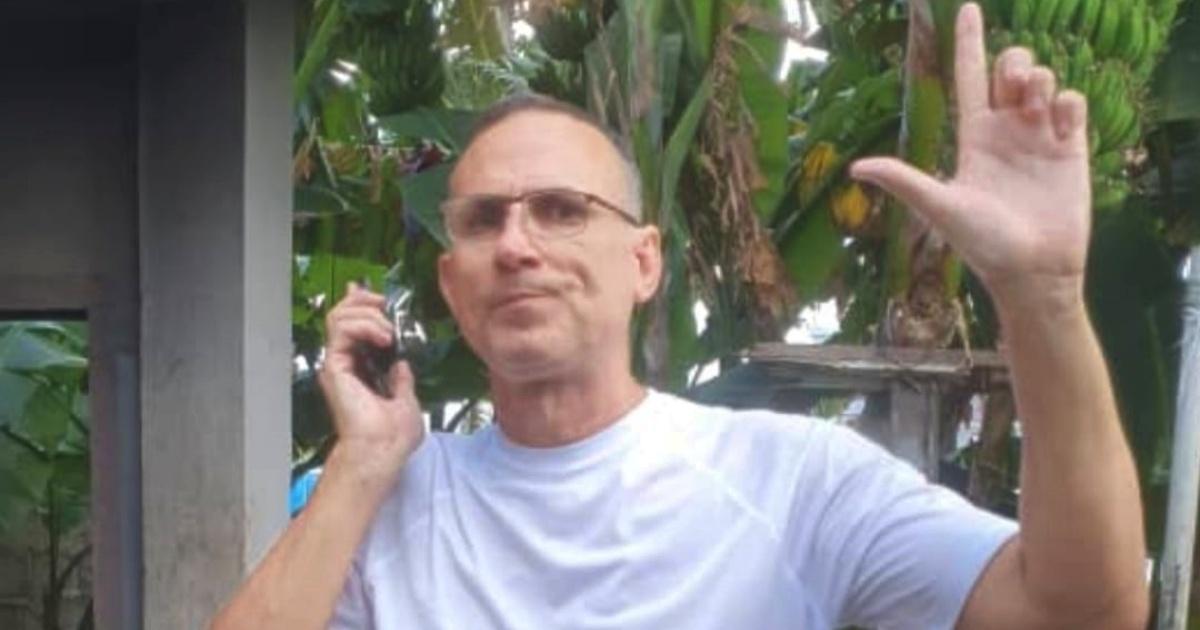
CiberCuba reported the release of Cuban political prisoner José Daniel Ferrer García, confirming on social media that “My brave brother José Daniel Ferrer García is released. FREEDOM for ALL,” after he had been detained for “three and a half years.”
CiberCuba added that Ferrer was imprisoned on July 12, 2021 in the context of the anti-government demonstrations of July 11, and it said Amnesty International considered him a “prisoner of conscience,” while also noting that the Cuban government announced the “gradual release of 553 people” on January 14, 2025.
More on Protests

Mikie Sherrill Blames New York And Pennsylvania Agitators For Delaney Hall Protest Violence
40 sources compared
Xi Jinping Approves $80 Million Emergency Aid and 60,000 Tonnes of Rice for Cuba
12 sources compared

Mahmoud Khalil Appeals to U.S. Supreme Court After Third Circuit Rejects Deportation Review
15 sources compared

U.S. Unseals Indictment Charging Raúl Castro With Murder in Brothers to the Rescue Shootdown
15 sources compared