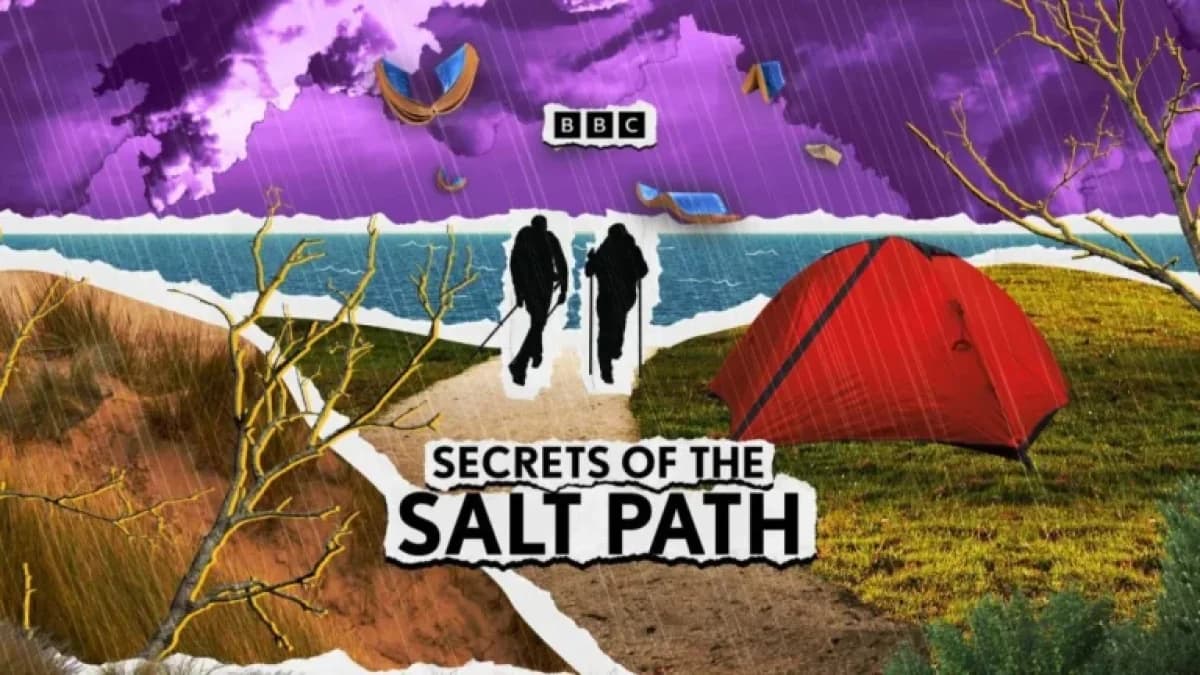
Raynor Winn secretly wrote 2012 book under alias Izzy Wyn-Thomas, BBC confirms
Key Takeaways
- Winn wrote a 2012 book published under the alias Izzy Wyn-Thomas.
- She claimed the 2018 release was her debut.
- A new podcast disclosed the secret book and the debut claim.
Secret 2012 Publication
Raynor Winn, author of the acclaimed memoir 'The Salt Path,' secretly authored a 2012 book under the alias Izzy Wyn-Thomas, a fact confirmed by BBC through her lawyers.
“- Published The Salt Path author Raynor Winn wrote a book published in 2012 – despite repeatedly claiming her controversial 2018 release documenting a life-changing walk was the first she had ever written”
The earlier work, titled 'How Not to Dal Dy Dir,' was published by Gangani Publishing, a company registered to Winn and her husband Moth in March 2012.
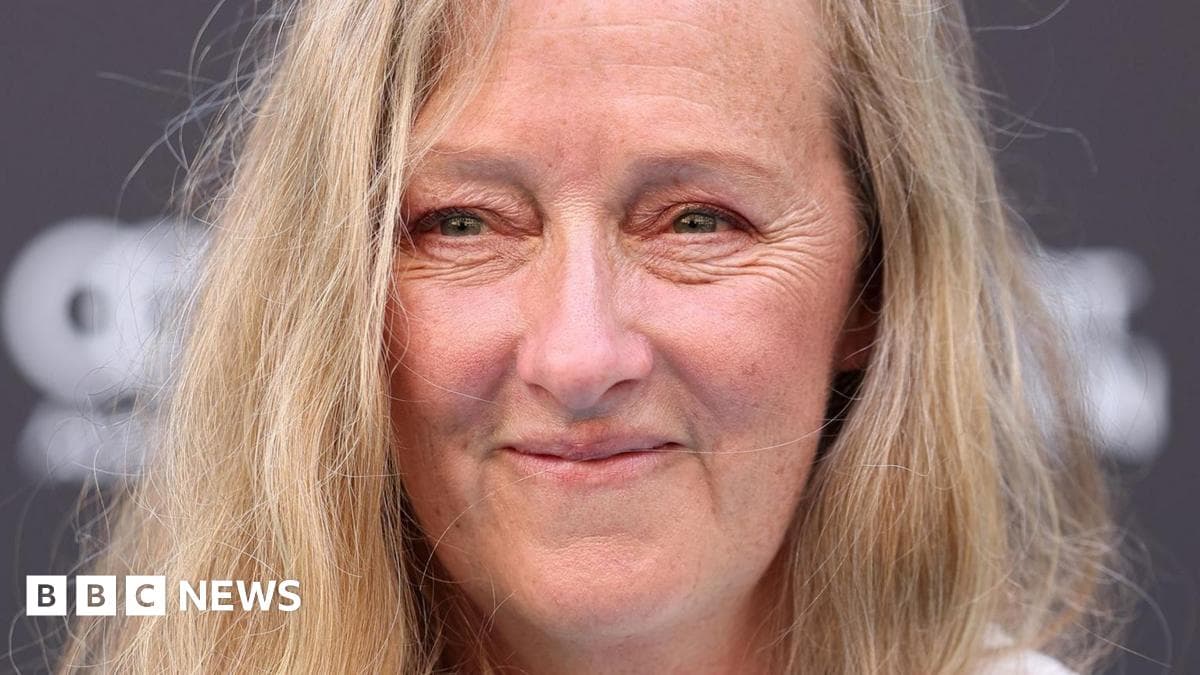
This revelation directly contradicts Winn's repeated claims that 'The Salt Path' was her first major work since adolescence.
BBC documented that Winn consistently portrayed herself as an inexperienced writer, telling Waterstones in 2020 that it was 'the first thing I've written since I was a teenager leaving school,' while her husband expressed surprise that she could write at all.
The 2012 publication was sold as part of a prize draw to win their north Wales home, complicating assessments of authorial intent and public disclosure regarding her literary debut status.
Prize Eligibility Questions
The existence of Winn's 2012 publication has significant implications for the literary community and raises serious questions about eligibility verification for literary prizes.
Winn won a £10,000 prize for debut novelist or non-fiction writer for 'The Salt Path,' which became a global phenomenon and was later adapted into a 2025 film starring Gillian Anderson and Jason Isaacs.
El-Balad highlights that this 'challenges the basis on which a debut prize award was received and raises questions about how prizes verify eligibility,' suggesting a systemic issue in the literary industry.
The revelation has prompted discussions about retrospective accountability and the need for stricter verification processes.
Prize administrators, bookstores, and festival programmers now face practical dilemmas in adjudicating awards when an author's publication history is disputed, potentially leading to tighter verification of debut status across the industry.
Stakeholder Reactions
The controversy surrounding Winn's concealed publication has created diverse reactions among stakeholders and has evolved into a broader cultural debate about truthfulness in memoir writing.
“- Published The Salt Path author Raynor Winn wrote a book published in 2012 – despite repeatedly claiming her controversial 2018 release documenting a life-changing walk was the first she had ever written”
BBC and El-Balad document how different stakeholders have responded to the revelation, with Winn herself providing statements addressing the earlier publication and its context.
Aimee-Ffion Edwards, Welsh actor and narrator of the podcast, frames the series as 'an attempt to present multiple perspectives on a story that grew larger than its original pages.'
However, the Hemmings family, who had placed trust in the author's narrative, has alleged that Winn 'slowly been embezzling thousands of pounds,' amplifying the controversy and prompting scrutiny of the Winns' earlier business practices.
This case highlights the complex ethical considerations when life writing blurs narrative shaping with factual claims and how readers reconcile emotional investment with factual accuracy.
Cultural Impact
The timing of the confirmation about Winn's 2012 publication has amplified its impact within the literary community and beyond.
According to El-Balad, 'The salt path had become a global phenomenon, won a £10,000 prize for a debut novelist or non-fiction writer, and later inspired a 2025 film adaptation featuring Gillian Anderson and Jason Isaacs.'
The revelation emerged alongside an eight-part podcast series narrated by Aimee-Ffion Edwards, which curated interviews that revisit the narrative and its consequences.
This multimedia approach to addressing the controversy represents a new model for handling literary scandals, allowing audiences to engage with multiple perspectives simultaneously.
The combination of a prize tied to debut status, a film that enlarged the book's reach, and the emergence of contradictory publishing facts has prompted readers, prize juries, and the wider literary community to fundamentally question what constitutes legitimate authorship and disclosure in contemporary memoir writing.
Future Implications
Looking forward, the Raynor Winn case has established important precedents for how the literary industry handles authorial transparency and prize eligibility.
“- Published The Salt Path author Raynor Winn wrote a book published in 2012 – despite repeatedly claiming her controversial 2018 release documenting a life-changing walk was the first she had ever written”
El-Balad suggests that 'Will prize frameworks tighten verification of debut status? Will publishers and readers demand clearer disclosure when life writing blurs narrative shaping with factual claims?'
These questions reflect a growing recognition of the need for greater accountability in memoir publishing.
Additionally, the case raises fundamental questions about how communities that invested emotionally in memoirs reconcile their admiration with new facts about an author's publishing history.
The Winns' experience with Gangani Publishing, which only produced 'How Not to Dal Dy Dir' with limited copies that are difficult to track down, also highlights the potential for authors to strategically obscure their publication histories through alternative publishing channels.
More on Entertainment

Walker, Texas Ranger Star Chuck Norris Dies at 86
68 sources compared

ABC cancels The Bachelorette season over Taylor Frankie Paul domestic abuse allegations
11 sources compared

Tom Holland Loses Spider-Man Powers in Spider-Man: Brand New Day Trailer
16 sources compared

Jimmy Kimmel Attacks Donald Trump at Oscars, Jokes Melania's Documentary Wasn't Nominated
22 sources compared