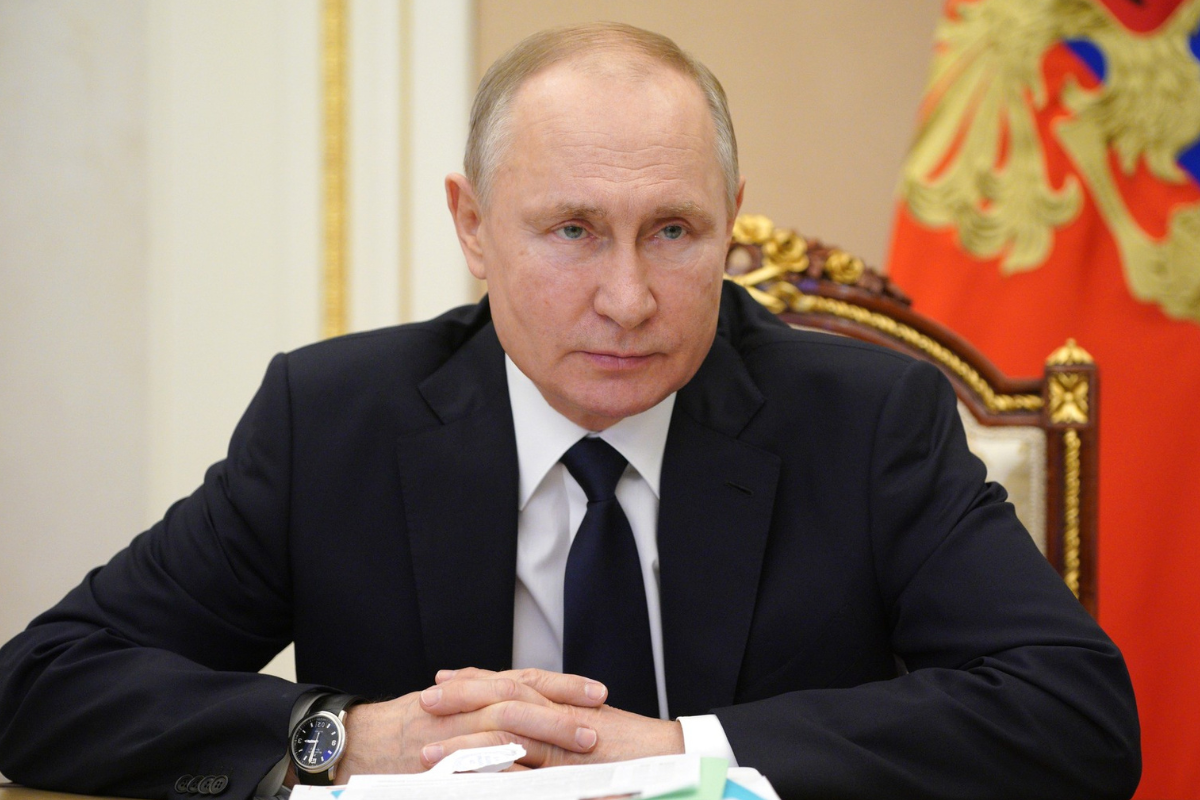
Putin agrees to halt fighting with Ukraine, but only under conditions.
Key Takeaways
- Putin says he agrees to stop fighting with Ukraine under conditions.
- Russia allegedly offered Washington to end Ukraine intelligence ties for Iran-related info halt.
- The US reportedly rejected the offer; Europe remained alarmed.
Conditional Ceasefire Announcement
Russian President Vladimir Putin has responded to the U.S.-backed ceasefire proposal with conditional acceptance.
“Russia is said to have offered the United States not to provide Iran with information about American positions in the Middle East anymore, if, on the other hand, intelligence cooperation with Ukraine is terminated”
Putin spoke at a joint press conference with Belarusian President Alexander Lukashenko on March 13.
He stated that Russia 'agrees with the proposal to stop fighting, but believes that a halt to fighting must lead to a lasting peace.'
This announcement follows Ukrainian President Volodymyr Zelensky's acceptance of the 30-day ceasefire proposal on March 11.
The ceasefire agreement was reached in Jeddah, Saudi Arabia between American and Ukrainian representatives.
U.S. Urgency and Russian Conditions
The U.S. had expressed urgency for Russia's response to the ceasefire initiative.
Secretary of State Marco Rubio indicated on March 12 that Washington awaited elements from the Russians 'with impatience.'
Rubo wanted to determine if Russia was ready to accept the ceasefire 'without preconditions.'
Putin made it clear that numerous preconditions exist and must be addressed for any lasting peace settlement.
The Russian president emphasized that a settlement must take into account the conflict's 'deep causes.'
He views the current fighting as part of a broader historical context rather than a simple tactical situation.
Specific Operational Concerns
Putin outlined specific operational concerns that must be addressed before Russia would fully commit to a ceasefire.
“Russia is said to have offered the United States not to provide Iran with information about American positions in the Middle East anymore, if, on the other hand, intelligence cooperation with Ukraine is terminated”
He raised the critical question regarding the Ukrainian incursion into the Kursk region.
Putin asked: 'If we cease hostilities for 30 days, what will that mean? Does it mean that everyone will leave the region?'
This suggests Russia wants guarantees about the status of territories it currently controls or disputes.
Additionally, Putin emphasized the complexity of other aspects 'along the 2,000-kilometer front line.'
He noted that Russian troops are advancing in practically every sector of the front line.
Putin questioned what would happen during the 30-day ceasefire period regarding these advances.
Diplomatic Context and Implications
The ceasefire framework represents a significant diplomatic development in the ongoing conflict.
Putin acknowledged Donald Trump's role in the peace process.
He thanked Trump 'for having devoted so much attention to resolving the conflict.'
This suggests a degree of Russian openness to international mediation.
Particularly from the United States under the current administration.
The conditional nature of Russia's acceptance indicates Moscow may be willing to temporarily halt military operations.
It expects substantive progress on addressing what it considers root causes of the conflict.
These include territorial disputes and security concerns along the extensive front line.
Military Considerations and Strategic Outlook
The conditional ceasefire proposal comes amid continued military developments.
“Russia is said to have offered the United States not to provide Iran with information about American positions in the Middle East anymore, if, on the other hand, intelligence cooperation with Ukraine is terminated”
Both sides have strategic considerations to weigh.
The agreement reached in Jeddah includes Ukraine accepting the ceasefire principle.
In exchange for an 'immediate' resumption of military cooperation with the U.S.
This includes sharing of military intelligence with the United States.
Ukraine is seeking to maintain or enhance its military capabilities.
Even during a potential ceasefire period.
Russia's emphasis on 'deep causes' indicates any temporary halt would likely be tactical.
Rather than a pathway to comprehensive peace without addressing fundamental disputes.
More on Ukraine War
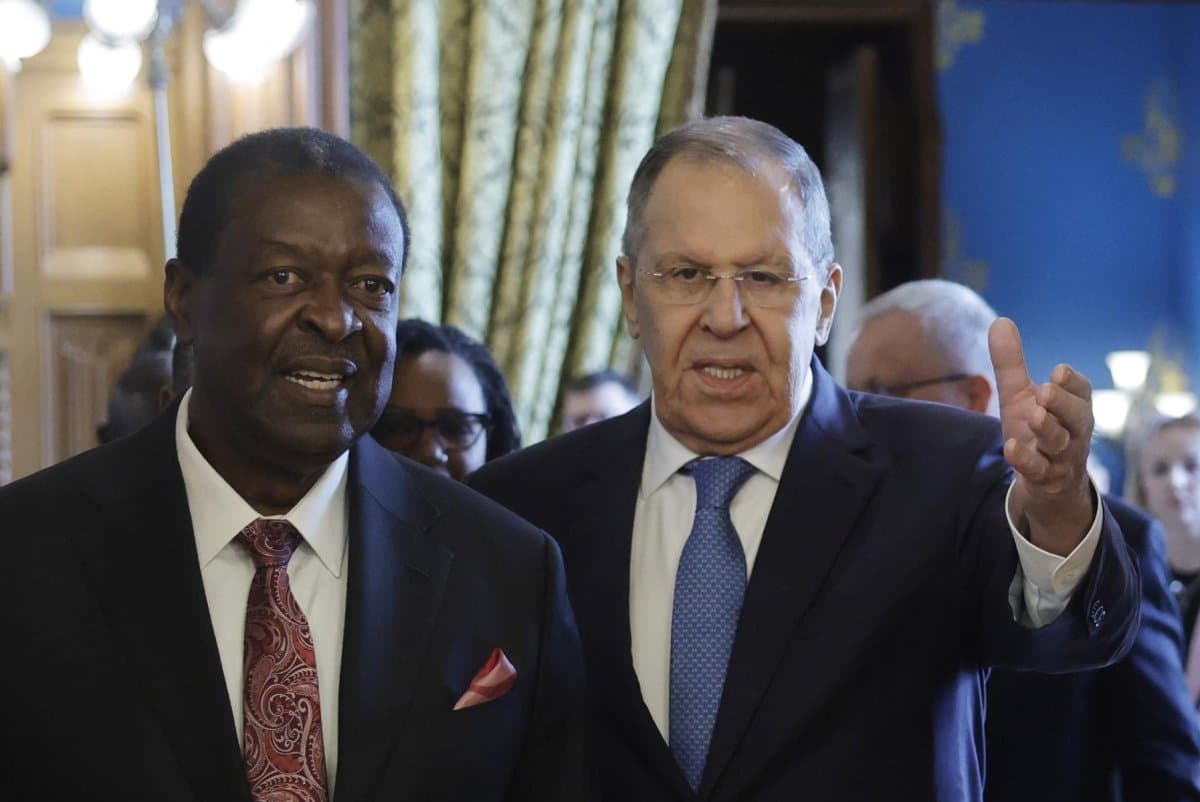
Russia Agrees to Stop Recruiting Kenyans to Fight in Ukraine
11 sources compared
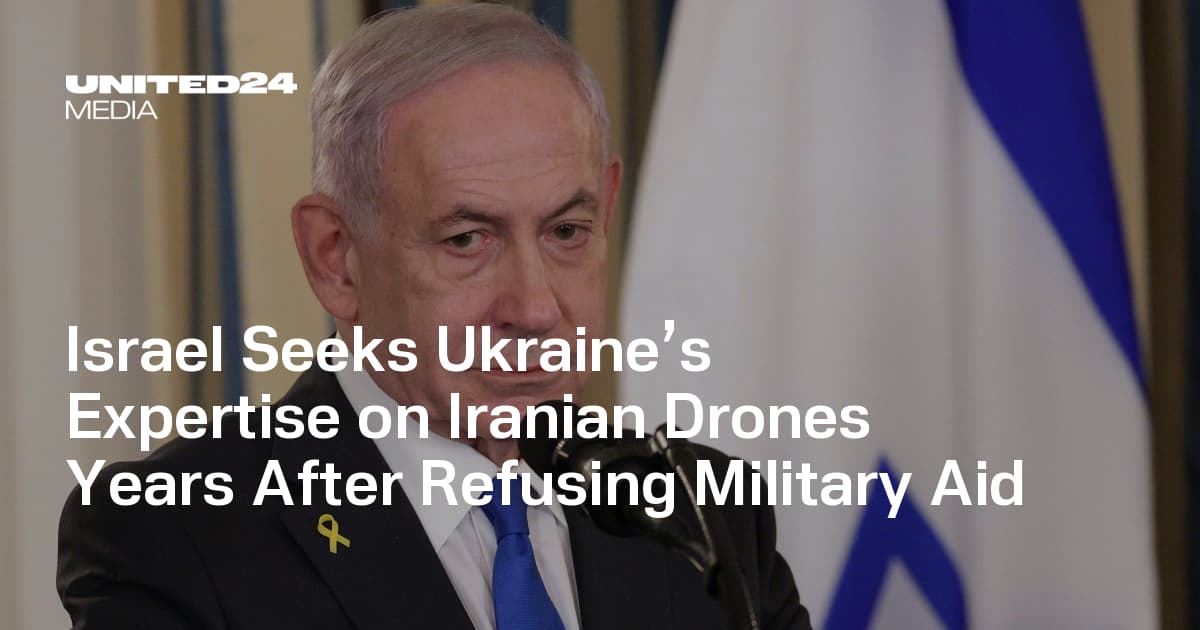
Russia Advises Iran on Drone Tactics to Hit US and Gulf Targets
11 sources compared

US Eases Russian Oil Sanctions Despite Allies' Warnings It Could Boost Kremlin War Chest
10 sources compared
Ukraine Strikes Bryansk Microelectronics Plant With Storm Shadow Missiles, Killing Six
13 sources compared