
President Zelensky demands Washington provide a clear timeline for next Russia talks.
Key Takeaways
- Zelenskyy seeks a clear timetable from Washington for the next Russia talks.
- Mediation by the United States involves Ukraine and Russia, with Abu Dhabi hosting talks.
- The talks have been paused or delayed due to the Middle East war.
Zelensky Demands Timeline
Ukrainian President Volodomyr Zelenskyy has publicly demanded that Washington provide a clear timeline for the next round of Russia-Ukraine peace negotiations.
“Ukraine’s President Volodymyr Zelenskyy says Ukrainian negotiators will push for a clear timeframe for the next round of Russia talks, as diplomatic efforts to end the conflict have been paused amid the US-Israeli war on Iran”
Speaking to reporters on Friday, Zelenskyy emphasized the need for 'clear dates – at least approximate ones' to move forward with diplomatic efforts.

The Ukrainian leader made his position clear as Ukrainian negotiators prepared to hold talks in the United States on Saturday regarding US-brokered attempts to reach an agreement.
Zelenskyy noted that while everyone understands the Middle East situation is affecting the postponement of negotiations, Kyiv still requires concrete scheduling to maintain momentum.
The diplomatic efforts come amid attempts to end the more than four-year Russia-Ukraine conflict through negotiation.
Middle East Impact
The Russia-Ukraine peace negotiations have been significantly impacted by the ongoing Middle East conflict.
A scheduled meeting in Abu Dhabi was canceled indefinitely due to the war, according to reports.

The diplomatic pause comes as the US-Israeli war on Iran has diverted international attention and resources.
Multiple cycles of discussions between Kyiv and Moscow, mediated by the United States, have taken place in recent months.
The escalation in the Middle East has created major obstacles for maintaining consistent diplomatic momentum in the Ukrainian conflict.
Diplomatic Framework
Current diplomatic efforts involve complex technical discussions and a 'double American track' approach.
“Guerre en Ukraine : Volodymyr Zelensky affirme vouloir un calendrier de la part de Washington pour les prochains pourparlers avec la Russie Plusieurs cycles de discussions entre Kiev et Moscou, sous la médiation des États-Unis, se sont tenus ces derniers mois mais une nouvelle rencontre prévue à Abu Dhabi a été annulée sine die en raison de la guerre au Moyen-Orient”
The framework includes both bilateral and trilateral negotiations focused on security issues.
Discussions cover front lines, critical infrastructure, and field verification mechanisms.
Russia is being represented by a military intelligence chief, indicating the security-focused nature of the talks.
Ukrainian negotiators are set to meet with US counterparts to advance these US-brokered attempts.
It remains unclear whether structured face-to-face meetings between Ukrainians and Russians will occur beyond technical trilateral sessions.
EU Support Framework
The European Union continues to work on two parallel tracks to support Ukraine.
These include maintaining budgetary assistance and creating conditions for private investment inflows.
The EU's Ukraine Facility provides a €50 billion pillar for support.
This is complemented by financial instruments for leveraging private investment through the Ukraine Investment Framework with €9.3 billion in guarantees and mixed finance.
Recent EU-BEI guarantees of €2 billion are accelerating projects in energy networks, hydroelectric power, renewables, railways, urban transport, water, and heating systems.
Discussions continue regarding Russian frozen assets, with some member states wanting to allocate at least a portion to Ukrainian reconstruction.
Contrasting Positions
Ukraine and Russia have presented contrasting demands in the ongoing negotiations.
“Alle tre del mattino, a Mosca, un incontro di quasi quattro ore al Cremlino si chiude con un annuncio inatteso: una delegazione russa “con istruzioni specifiche” volerà ad Abu Dhabi “nelle prossime ore””
Kyiv seeks credible security guarantees, accelerated Euro-Atlantic integration, and stable financial pathways for reconstruction.
Ukraine insists on no territorial concessions that would legitimize the use of force.
Russia seeks an agreement that would either solidify current territorial equilibriums or negotiate new ones.
Russia also wants commitments on security architecture limiting NATO projection in Ukraine.
Russia demands a gradual easing of Western economic pressures.
The Russian position remains deliberately vague on borders and status to maintain negotiation margins.
Reconstruction Reality
Ukraine's reconstruction efforts are already underway despite the ongoing conflict.
Damages to energy infrastructure increased by 70% in 2024 compared to the previous year.
The country has conducted emergency repairs to thousands of kilometers of roads.
Hundreds of schools have been reconstructed, and a portion of housing stock secured with state funds and donor support.
The reconstruction strategy uses a 10-year planning approach while funding immediate 'rapid interventions'.
Financial estimates have grown from RDNA3 ($486 billion) to RDNA4 ($524 billion).
The next update is expected to confirm continued pressure on housing and energy sectors.
More on Ukraine War
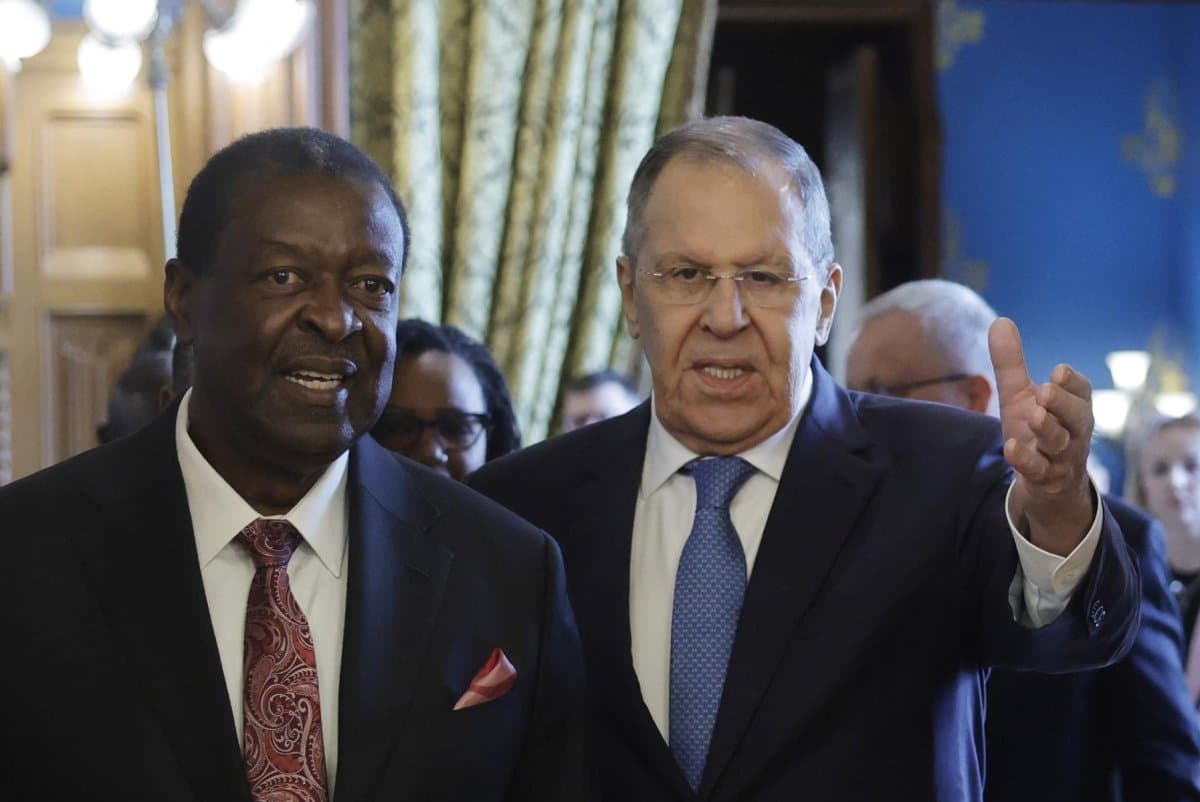
Russia Agrees to Stop Recruiting Kenyans to Fight in Ukraine
11 sources compared
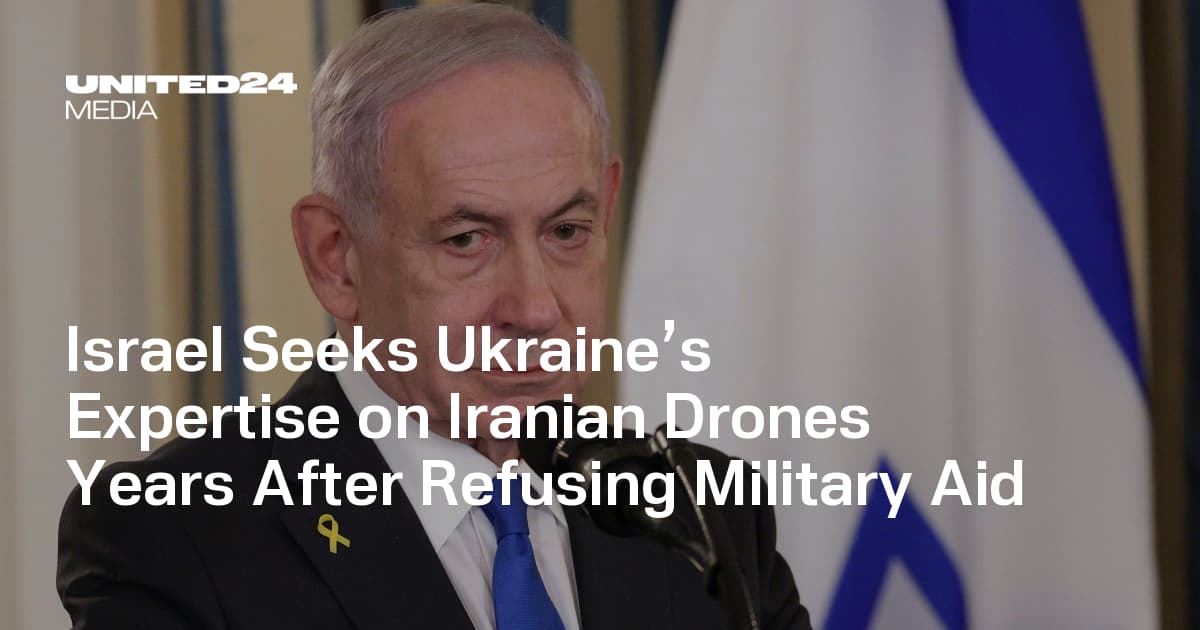
Russia Advises Iran on Drone Tactics to Hit US and Gulf Targets
11 sources compared
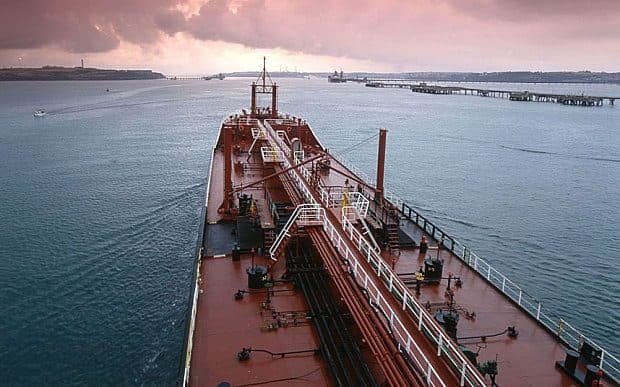
US Eases Russian Oil Sanctions Despite Allies' Warnings It Could Boost Kremlin War Chest
10 sources compared
Ukraine Strikes Bryansk Microelectronics Plant With Storm Shadow Missiles, Killing Six
13 sources compared