
President Erdoğan Rejects Israel's Recognition of Somaliland, Warns It Could Destabilize Horn of Africa
Key Takeaways
- Erdogan opposed Israel recognizing Somaliland's independence
- Erdogan warned Israel's recognition could be dangerous for the volatile region during an Ethiopia visit
- Israel became the first country to recognize Somaliland in December
Erdogan on Somaliland recognition
Turkey's President Recep Tayyip Erdogan publicly rejected Israel's December recognition of Somaliland during a joint press event in Addis Ababa, warning that such unilateral moves could destabilize the Horn of Africa and urging regional solutions.
“President Erdogan made the comment during an official visit to Ethiopia, which neighbours the breakaway region of Somaliland Turkey's President Recep Tayyip Erdogan has rejected Israel's recognition of the breakaway region of Somaliland as an independent nation”
Erdogan told reporters that "the Horn of Africa should not be the battlefield of foreign forces," framing the recognition as a potentially dangerous external intervention in a fragile region.
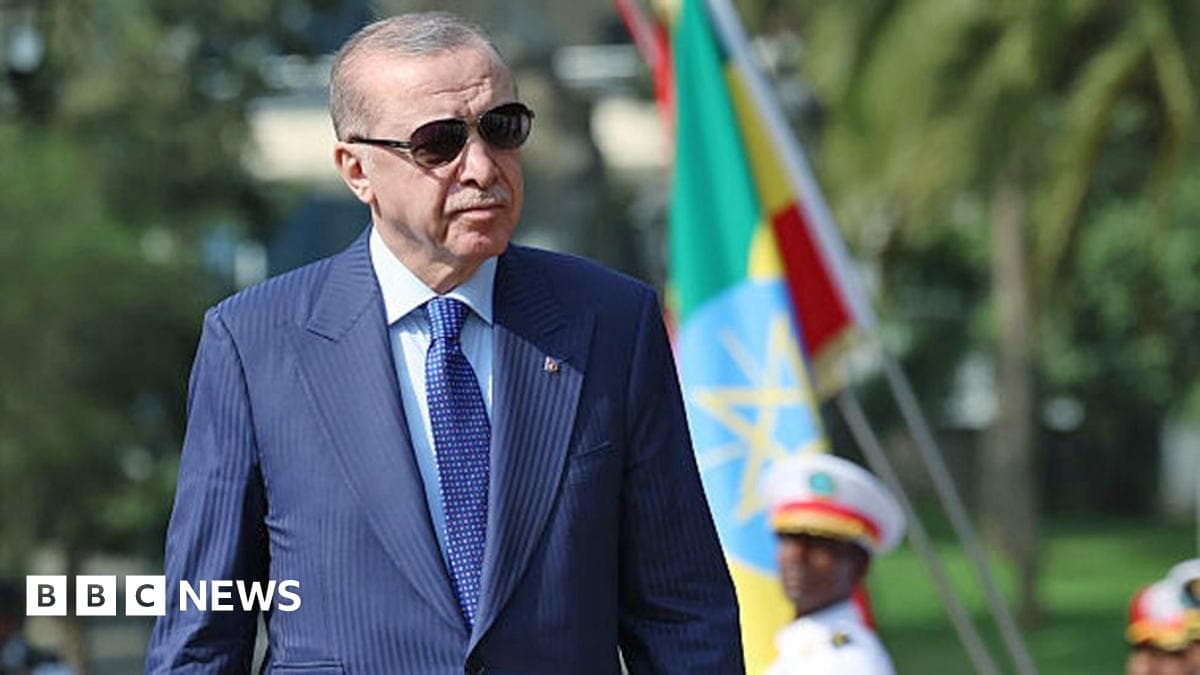
Somaliland's foreign ministry pushed back at Turkey, telling Ankara not to stoke tensions as regional actors and capitals weigh competing positions after Israel became the first country to recognise Somaliland.
Somaliland recognition dispute
The background to the dispute underlines competing claims and differing emphases in the coverage.
Israel was reported as the first country to recognise Somaliland, a territory that declared independence from Somalia decades ago.
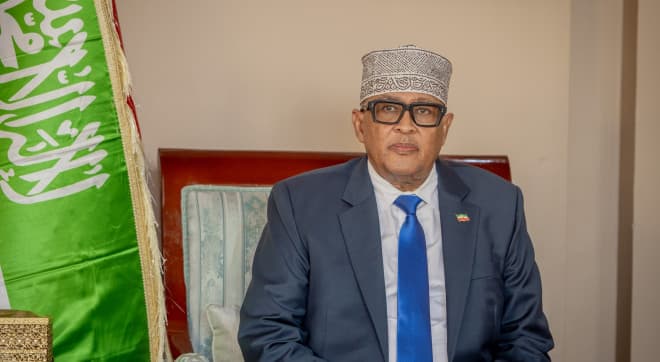
Somaliland is still regarded by Mogadishu as Somali territory.
Sources vary in phrasing: BBC and Telegrafi describe Somaliland as having declared independence "more than 30 years ago," while hiiraan gives a specific year, stating Somaliland declared independence in 1991 — a difference in detail though all three note the contested status.
Turkey's regional diplomacy
Erdogan referenced Turkey's prior diplomatic engagement in the region.
“Creating new perspectives since 2009 February 18, 2026 at 8:29 am Abdullah Ocalan, the imprisoned founder of the Kurdistan Workers’ Party (PKK)”
Telegrafi and BBC note Ankara helped mediate a 2024 dispute over Ethiopia's plans involving Somaliland's coastline.
hiiraan reports Ankara's stance as aligned with Somalia's federal government in rejecting Israel's recognition.
Somaliland's foreign ministry has explicitly warned Turkey against inflaming tensions.
Erdogan reiterated Turkey's support for the sovereignty and territorial integrity of states in the region in his remarks.
Ethiopia seeks port access
Ethiopian Prime Minister Abiy Ahmed used the joint event in Addis Ababa to press Erdogan to back Ethiopia's long-standing bid for maritime access after Eritrea's 1993 separation left Ethiopia landlocked.
Both Telegrafi and BBC report Abiy asked Turkey to apply diplomatic pressure and noted Ethiopia's pursuit of access to ports such as Assab.
Telegrafi reports Abiy has in recent months pursued control of Eritrea's southern port of Assab and "hinted at a willingness to use force if needed", while BBC conveys this more cautiously, describing Abiy's call for diplomatic pressure and warnings against attempts to deny Ethiopia maritime access.
Summary of media differences
The three sources present a broadly consistent core: Erdogan criticised Israel's recognition and warned of destabilising external involvement, Somaliland angrily rejected Erdogan's stance, and Abiy pressed for maritime support.
“President Erdogan made the comment during an official visit to Ethiopia, which neighbours the breakaway region of Somaliland Turkey's President Recep Tayyip Erdogan has rejected Israel's recognition of the breakaway region of Somaliland as an independent nation”
Telegrafi and BBC foreground Erdogan's regional-role framing and Turkey's mediation history.
hiiraan foregrounds Somaliland's strong condemnation and records Ankara's alignment with Somalia's federal government in rejecting Israel's move.
These differences reflect source-type variations in tone and priorities rather than direct factual contradictions.
However, phrasing differences — such as a specific year versus 'more than 30 years' and stronger versus more cautious language on Assab — produce minor, verifiable discrepancies across the coverage.
More on Africa
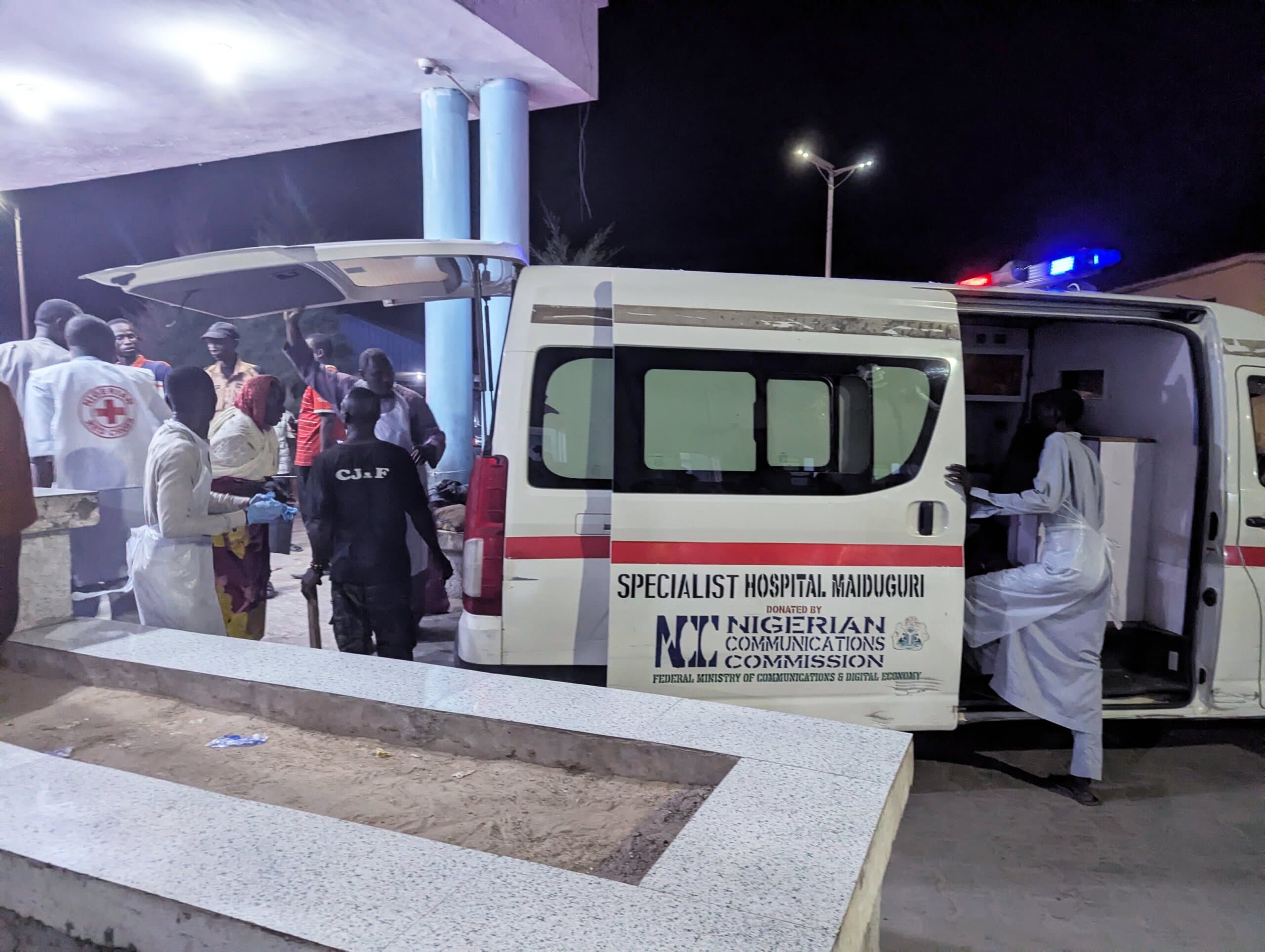
Boko Haram suicide bombers kill 23 in Maiduguri
24 sources compared

Somaliland Offers US Exclusive Access to Minerals and Military Bases to Win Recognition
10 sources compared
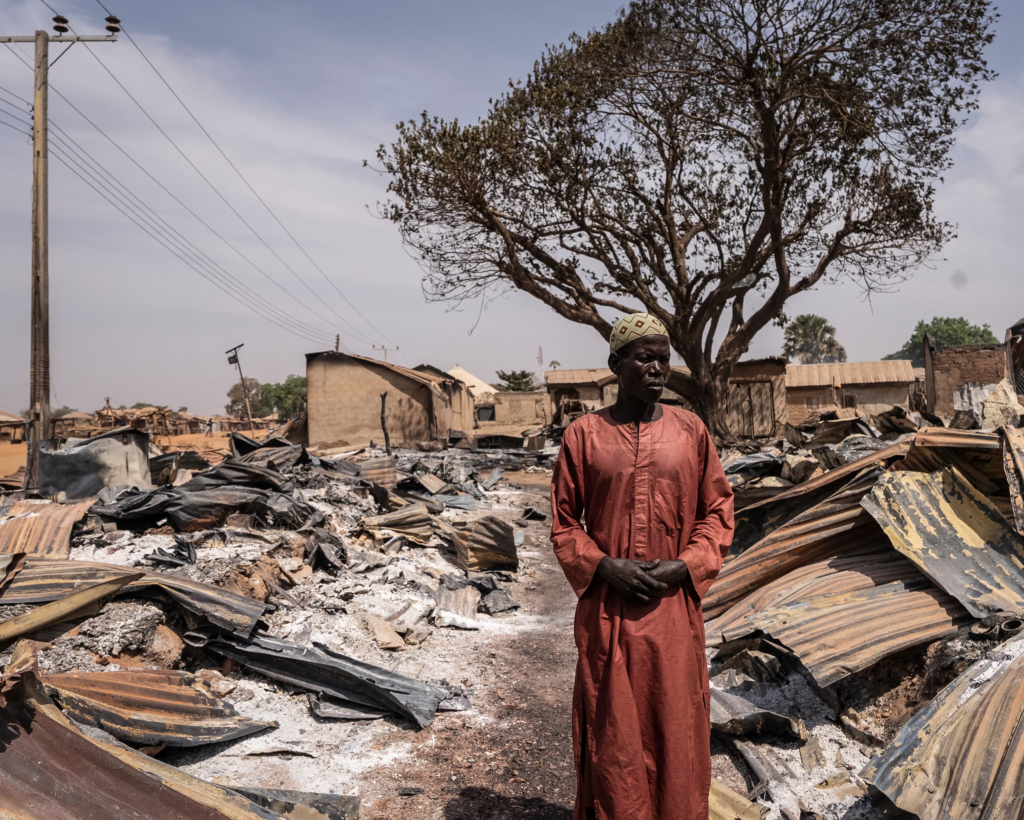
Boko Haram Gunmen Massacre Scores of Villagers in Kwara and Katsina After Sending Letter Asking to Preach
19 sources compared
Boko Haram Gunmen Massacre Villagers in Kwara After Sending Letter Asking to Preach
20 sources compared