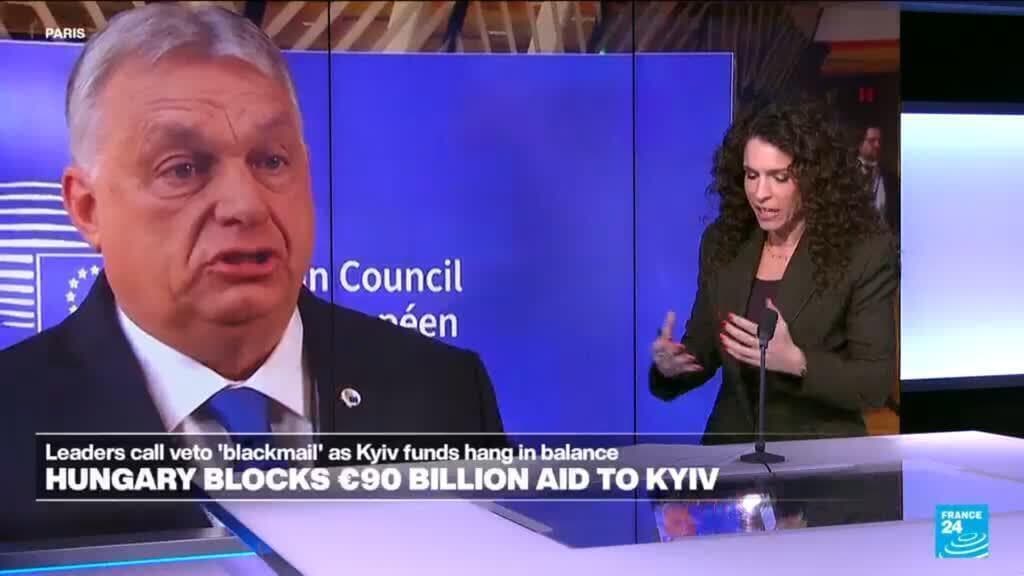
Orban Blocks 90-Billion-Euro Ukraine Loan at EU Summit
Key Takeaways
- Orban blocked lifting veto on €90bn Ukraine loan at EU summit.
- EU leaders condemned him as a gross act of disloyalty and blackmail.
- Orban tied the veto to Druzhba oil, saying 'No oil, no money'.
Summit Standoff
The EU summit descended into crisis on March 19 as Hungarian Prime Minister Viktor Orban blocked a 90-billion-euro ($104 billion) loan for Ukraine's war effort, triggering outrage among European leaders who accused him of a "gross act of disloyalty" tantamount to "blackmail."
“- Published European Union leaders have accused Hungary's Prime Minister Viktor Orbán of disloyalty and blackmail after he blocked a €90bn (£77bn) loan for Ukraine”
Orban, long considered Moscow's closest partner within the European Union, has consistently opposed support for Kyiv, repeatedly stalling EU aid and sanctions packages against Russia.
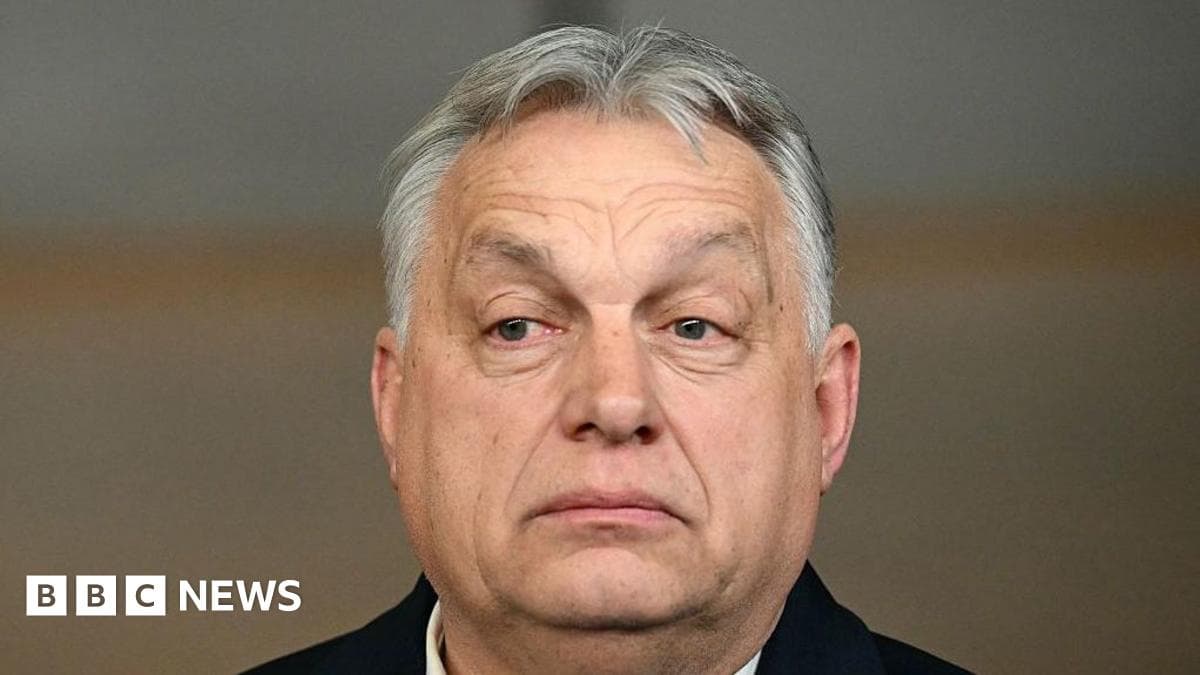
"No oil = no money," the Hungarian nationalist leader posted on X after the talks, refusing to budge despite concerted pressure from fellow leaders and a video address from Ukraine's President Volodymyr Zelensky pleading for the funds' release.
The standoff came at a critical moment when Ukraine faces a budget shortfall four years after the start of the war and is expected to require additional funding as early as May.
Oil Pipeline Dispute
At the heart of the confrontation lies a weeks-long dispute over a damaged pipeline running through Ukraine that has curtailed supplies of Russian oil to Hungary and Slovakia.
Orban, who had previously greenlit the 90-billion-euro loan, is now withholding it as leverage in this feud, creating what Ukrainian President Zelensky has branded "blackmail."
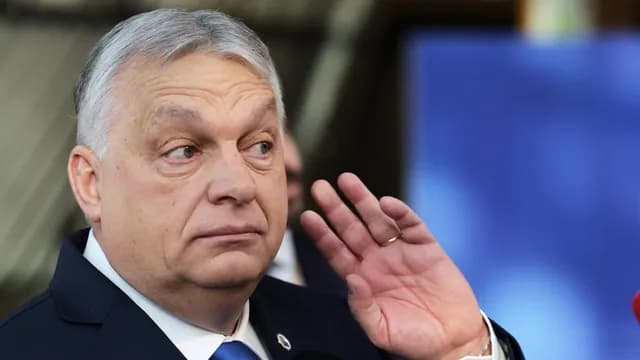
"I held my ground and we are exactly where we were this morning: If there is oil, there will be money," Orban stated defiantly after the summit talks.
The European Commission moved this week to unblock the situation by sending a team to help restore oil transit, but Orban dismissed the scheme as a "fairy tale."
Budapest and Bratislava accuse Ukraine of stalling on pipeline repairs, while the European Union's institutions face a credibility crisis as Orban's demands directly contradict established protocols on unanimity requirements for such critical funding decisions.
Leaders' Condemnation
European leaders lined up to condemn Hungary's U-turn, with French President Emmanuel Macron calling it "unprecedented" and German Chancellor Friedrich Merz slamming "a gross act of disloyalty."
“What you need to know - EU leaders convene amid the war in Iran and the disruption to energy markets as a result - Viktor Orban, facing a fierce election battle in Hungary, says he stood his ground in a 'tough debate' on resuming oil deliveries through the Russian Druzhba pipeline - Slovakia's Robert Fico questions whether Ukraine's claims of the pipeline being damaged were accurate - EU leaders close ranks in condemning Orban and accusing him of "using Ukraine as a weapon in his election campaigning" - The major loan package for Kyiv is seen as crucial to maintaining the government's liquidity - Landlocked Hungary and Slovakia granted an exemption to sanctions on Russian oil deliveries because of their pronounced dependence on them These are our updates from or pertaining to the EU leaders' summit in Brussels on March 19 and 20, 2026”
"I am firmly convinced that it will leave deep marks," Merz told a press conference in the early hours of March 20, underscoring the severity of the diplomatic rupture.
"Nobody can blackmail the European institutions," warned Antonio Costa, who chairs the council of the EU's member states, calling Hungary's stance "completely unacceptable."
The condemnation was nearly universal, with all other EU leaders present at the summit declaring Orban's position unacceptable, with the exception of Italy's Giorgia Meloni, who voiced sympathy with his situation in the election run-up.
"We had an agreement," Finnish Prime Minister Petteri Orpo stated, emphasizing that Orban was undermining established diplomatic protocols and European solidarity.
Election Politics
Although Orban denies it, many of his counterparts see his blocking as squarely motivated by national politics ahead of close-fought national elections on April 12.
"He is using Ukraine as a tool in his election campaign, and that is not good," a Finnish diplomat commented, reflecting widespread concerns among European leaders that Orban is leveraging the crisis to bolster his image as an opponent of the EU.
The Hungarian nationalist has long been at odds with his EU peers on many fronts, having held up countless decisions on Ukraine though solutions have ultimately been found in previous instances, such as when he was asked to leave the room while the bloc approved the start of membership talks with Kiev.
"We all know this is about the elections—we will have to find a creative solution," another diplomat summarized, acknowledging the electoral calculus driving Orban's hardline stance as he trails in the polls ahead of the upcoming vote.
Ukraine Funding Crisis
The immediate consequence of Orban's veto is that Ukraine faces a critical funding shortfall just as the country prepares for potential additional military requirements as early as May.
“Outraged EU leaders rounded on Viktor Orban after the Hungarian nationalist refused to lift his veto on funds for Ukraine's war effort at a Thursday summit, accusing him of a "gross act of disloyalty" tantamount to "blackmail”
"For the third month now, the most important financial security guarantee for Ukraine from Europe is not working - the €90bn support package for this year and the next," Zelensky told EU leaders during the summit, pleading for the release of funds. "This is critical for us."
Hungary and Slovakia refused to endorse summit conclusions reaffirming the intent to release the funds, with leaders agreeing to revisit the matter at their next planned meeting, but the timeline remains uncertain.
European Commission President Ursula Von der Leyen vowed that the loan would be delivered "one way or the other," while Macron emphasized there would be "no plan B" for the funds, because "plan A must be implemented," suggesting determination to find alternative pathways if Orban continues his obstruction.
More on Ukraine War
Russia Agrees to Stop Recruiting Kenyans to Fight in Ukraine
11 sources compared
Russia Advises Iran on Drone Tactics to Hit US and Gulf Targets
11 sources compared

US Eases Russian Oil Sanctions Despite Allies' Warnings It Could Boost Kremlin War Chest
10 sources compared
Ukraine Strikes Bryansk Microelectronics Plant With Storm Shadow Missiles, Killing Six
13 sources compared