
ONS confirms wage growth slows to 3.8% as unemployment remains at 5.2%
Key Takeaways
- Wage growth slowed to 3.8% across the latest figures.
- Unemployment remained unchanged at 5.2%.
- Wage growth is the slowest in more than five years.
Labor Market Overview
The Office for National Statistics (ONS) has confirmed that UK wage growth has slowed to 3.8% while unemployment remains stubbornly high at 5.2%, according to the latest labor market data covering the three months to January.
“- Published Pay has grown at its slowest rate in more than five years, according to the latest official figures”
This represents the slowest wage growth rate in more than five years, down from the previous figure of 4.2%, indicating significant cooling in the UK labor market.

The data shows a mixed picture with the unemployment rate remaining unchanged at a near five-year high, while the number of workers on payrolls saw a slight increase in the latest month.
The figures have created challenging conditions for Chancellor Rachel Reeves, who has faced criticism over the economic performance as the government grapples with balancing inflation concerns and economic growth.
Wage Growth Disparity
The wage growth slowdown reflects a significant divergence between public and private sector performance, with public sector workers experiencing much stronger earnings growth at 5.9% compared to just 3.3% in the private sector.
This gap has been driven partly by the timing of public sector wage settlements, which often include bonuses that offset previous inflation spikes but are now dropping out of annual calculations.
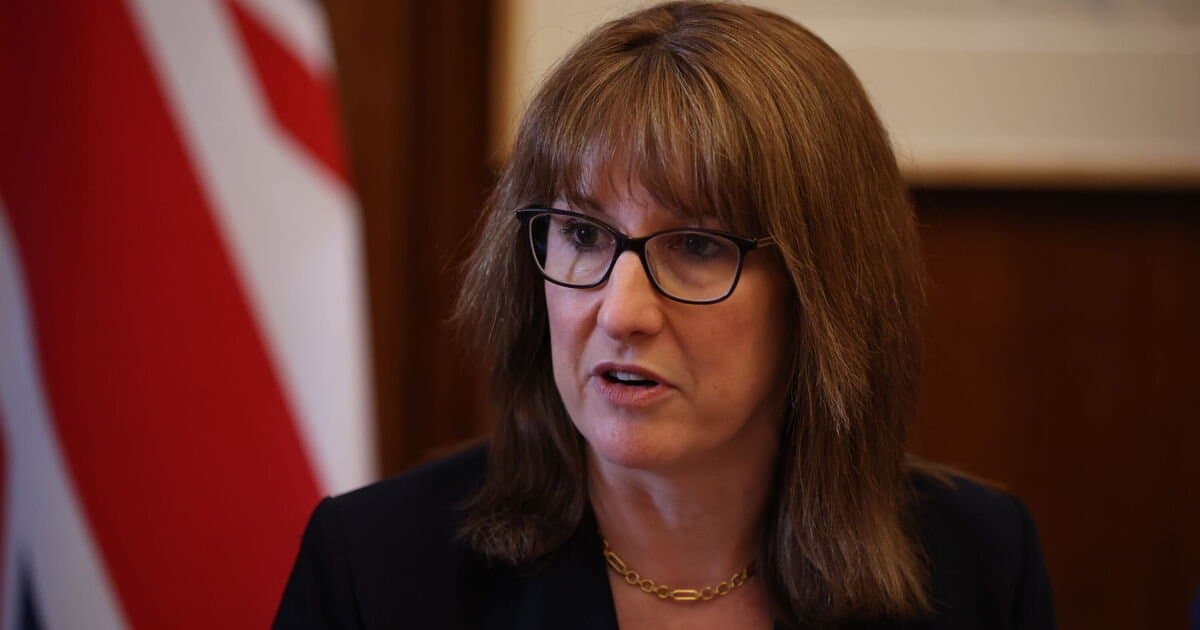
The ONS Director of Economic Statistics Liz McKeown noted that regular wage growth is at its lowest rate in more than five years, with pay growth continuing to ease in both sectors despite the overall economy showing some stability.
When accounting for Consumer Prices Index inflation of 3.3%, real wage growth was just 0.5%, indicating that workers are experiencing minimal improvement in their purchasing power despite nominal wage increases.
Demographic Impact
The labor market data reveals concerning demographic inequalities, with younger workers facing disproportionate challenges compared to their older counterparts.
“Wage growth slowed sharply in the three months to January according to the latest snapshot of the jobs market from the Office for National Statistics”
Since payroll employment peaked in mid-2024, the number of employees aged 34 and under has fallen by almost 220,000, while employment among those aged 35 and over has actually risen by 110,000.
This stark split indicates that employers are cutting back most sharply on entry-level hiring, creating significant barriers for younger workers entering the job market.
The ONS reported that while labor market conditions were 'little changed at the start of the year,' there are underlying structural shifts affecting different age groups differently.
The decline in payrolled employees between January 2025 and January 2026 (96,000 or 0.3%) contrasts with the slight increase in the latest month, suggesting a complex and evolving labor market situation with varying impacts across demographic segments.
Policy Dilemmas
The Bank of England is facing significant policy dilemmas as it prepares to make its interest rate decision, with economists suggesting the labor market weakness creates conflicting pressures.
Before the Middle East conflict, central bank policymakers were expected to cut interest rates to prevent the economy from sliding into recession, but concerns about inflation caused by higher oil prices have complicated this approach.
The Bank is expected to leave interest rates on hold at 3.75% despite the slowing wage growth, as geopolitical tensions and rising oil prices now take precedence over domestic labor market concerns.
The central bank will be particularly concerned that workers may bid up wages in response to rising petrol prices and inflation over the coming months, creating a potential wage-price spiral that could further complicate monetary policy decisions.
Expert Analysis
Economists are divided on the future outlook, with some suggesting that the combination of labor market weakness and global headwinds will limit inflationary pressures while others warn of potential upward risks.
“Rachel Reeves has taken another hammering with the latest UK economy update”
Peter Dixon from NIESR warned that global headwinds are likely to adversely affect hiring intentions and worsen Britain's labor market weakness, suggesting that AI-related changes in the labor market will act as a further damper on wages.
Meanwhile, Jake Finney from PwC UK argued that the weakness of the labor market reduces the likelihood of higher energy prices feeding through into broader inflation 'and makes further rate hikes harder to justify,' though he noted that cuts remain unlikely until geopolitical tensions ease.
The US Federal Reserve's recent decision to hold interest rates at a range of 3.5% to 3.75%, resisting pressure from Donald Trump to lower them, adds another layer of complexity to the global monetary policy landscape that UK policymakers must navigate.
More on Finance

Carson City Judge Bans Kalshi in Nevada for 14 Days
12 sources compared

Coinbase Launches Stock Perpetual Futures for Non-U.S. Users
12 sources compared

Coatue Management-Led Round Drives Kalshi's $1B Funding, Valuation Soars to $22B
12 sources compared

Fed Keeps Interest Rates Steady Amid Iran War Uncertainty
26 sources compared