North Korea’s Longtime Ceremonial Head of State Kim Yong Nam Dies at 97
Key Takeaways
- Kim Yong Nam served as North Korea’s ceremonial head of state for about two decades.
- He was a lifelong loyalist who served under three generations of the Kim family dynasty.
- Kim Yong Nam died at age 97 from multiple organ failure caused by cancer.
Death of North Korean Official
North Korean state media announced that Kim Yong Nam, the country’s longtime ceremonial head of state and former president of the Presidium of the Supreme People’s Assembly from 1998 to 2019, has died at age 97.
“Kim Yong Nam, North Korea’s former ceremonial head of state and one of the longest-serving officials of the Kim dynasty, passed away at the age of 97, North Korean state media reported on 4 November 2025”
Most reports attribute the cause to multiple organ failure, with some adding it was related to cancer.

Kim Jong Un visited Kim’s bier to pay respects and a state funeral is scheduled for Thursday.
Several outlets also note Kim’s prominent public role delivering propaganda speeches and representing the regime abroad while real power remained with the ruling Kim family.
Kim's Political Career Overview
Kim’s career spanned more than six decades.
He joined the Workers’ Party in the 1950s and rose to the Politburo in 1978.

He served as foreign minister from 1983 to 1998 before assuming the ceremonial head-of-state post in 1998.
Accounts highlight his discipline and loyalty, with some adding details about his education and specialized diplomatic experience.
Several sources also emphasize his ability to survive North Korea’s periodic purges as a sign of steadfast loyalty to the Kim dynasty.
Role and Influence of North Korean Leader
As North Korea’s nominal head of state from 1998 to 2019, Kim was often the regime’s diplomatic face.
“Kim Yong Nam served under three generations of Pyongyang's ruling dynasty Kim Yong Nam, North Korea's former ceremonial head of state and a lifelong supporter of the ruling dynasty, has died aged 97, according to state media”
Sources differ on how much influence he wielded during his tenure.
Many emphasize that he held no real power compared with the Kim family.
Others suggest he retained influence through deep ties in the diplomatic corps.
Some reports highlight that he uniquely avoided purges.
His replacement in 2019 by Choe Ryong-hae is also noted.
Kim's 2018 Olympic Visit
Kim’s most visible international moment came at the 2018 PyeongChang Winter Olympics in South Korea.
Outlets differ on what that visit represented: some see it as rare outreach aimed at easing tensions, while others focus on internal optics and his deference to Kim Yo Jong.
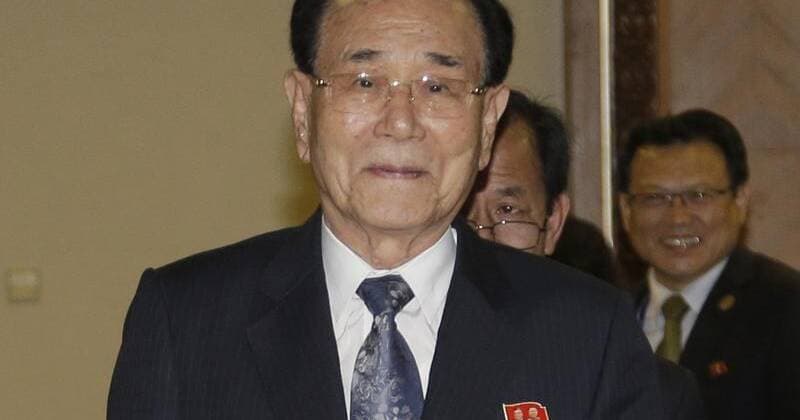
Western mainstream and Asian sources also note high-level encounters on the sidelines, including interactions with U.S. and South Korean leaders.
Funeral Reporting and Reactions
Reporting on the funeral and reactions varies in depth.
“Your digital subscription includes access to content from all our websites in your region”
Some reports emphasize procedure and leadership, highlighting Kim Jong Un leading the state funeral committee, which includes 100 members.

Other reports focus on international condolences, especially from South Korea and China, as well as KCNA’s honorifics.
Timelines consistently indicate that the ceremony took place on a Thursday.
More on North Korea

North Korea Fires Ballistic Missiles During US-South Korea Drills
20 sources compared
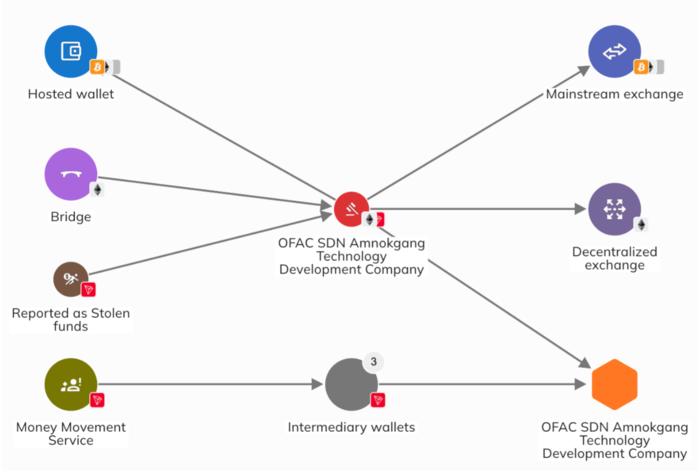
U.S. Treasury Freezes Crypto Network Feeding Nearly $800 Million To North Korea's Weapons Programs
10 sources compared
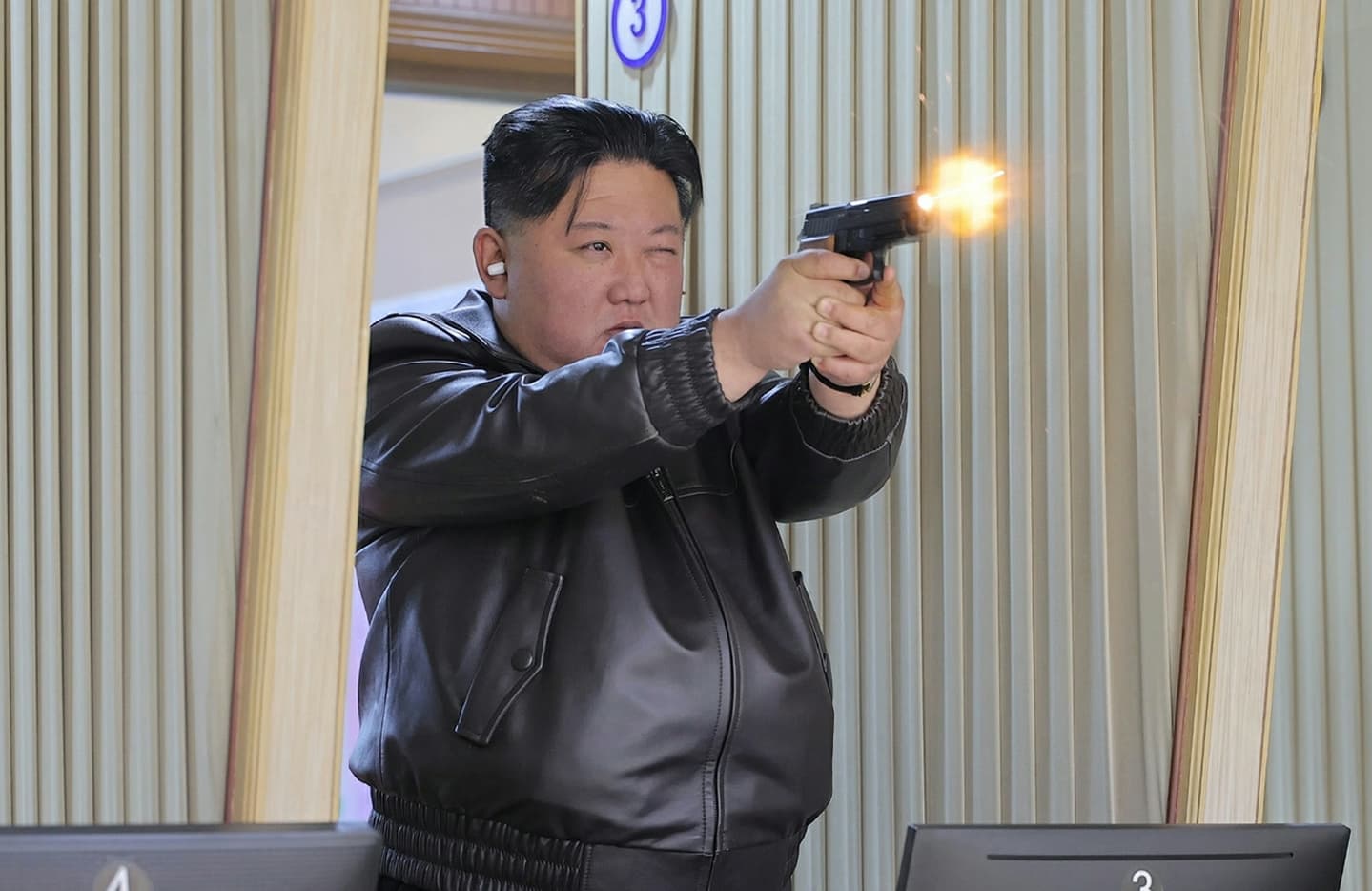
North Korean leader Kim Jong Un grooms daughter Ju Ae firing pistols at munitions factory
12 sources compared

Kim Jong Un Arms Inner Circle With Sniper Rifles After Party Congress
17 sources compared