
North Korea Threatens More Ballistic Missile Attacks After US-South Korea Military Drills
Key Takeaways
- North Korea launched a ballistic missile into the sea off its east coast on November 7, 2025.
- Defense Minister No Kwang Chol threatened more offensive military actions following US-South Korea drills.
- North Korea condemned the arrival of the US nuclear-powered aircraft carrier George Washington in South Korea.
North Korea Missile Launch Response
North Korea has launched a ballistic missile into the sea off its east coast.
“North Korea’s defence minister No Kwang Chol, threatened on Saturday to take “more offensive action” as he condemned US security talks with Seoul and the arrival of a US aircraft carrier in South Korea”
This action followed recent US–South Korea security talks and military drills.
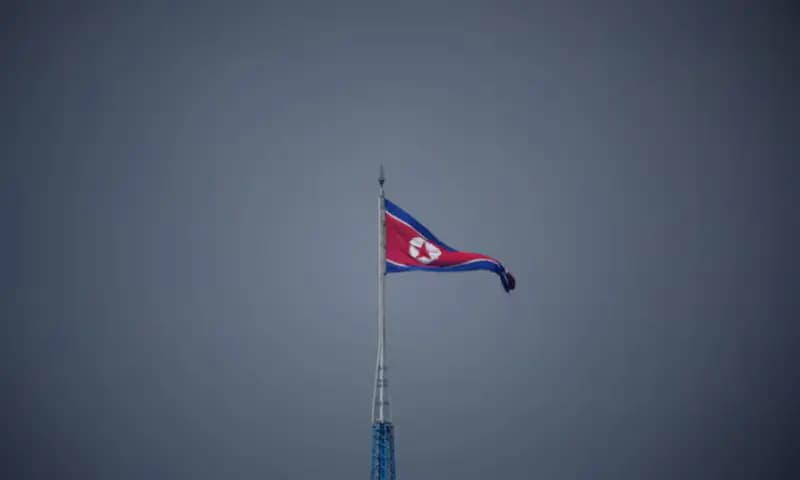
North Korea also threatened more offensive action in response to these events.
The country denounced the arrival of the US nuclear-powered aircraft carrier USS George Washington in Busan.
It criticized a high-profile visit to the Demilitarized Zone by US and South Korean defense chiefs.
The US Indo-Pacific Command stated that the missile launch posed no immediate threat.
However, it emphasized the destabilizing impact of the launch.
South Korea’s navy described the carrier’s stop as routine for resupply and crew rest.
This contrasts with North Korea’s portrayal of the carrier’s presence as brazen military moves.
Several sources place the missile launch on November 7, followed by warnings from Defense Minister No Kwang Chol on November 8.
Missile Launch and Sanctions Response
Multiple outlets link the launch to new US sanctions, with several noting that Pyongyang framed it as retaliation.
Reports say Washington targeted individuals and entities over cyber-related money laundering.

The projectile landed outside Japan’s Exclusive Economic Zone.
One Asian outlet added that the missile flew an estimated 450–700 km, underscoring its tactical profile amid increased pressure following the sanctions narrative.
Tensions on Korean Peninsula
Pyongyang’s defense minister criticized the US–South Korea defense chiefs’ visit to the DMZ and their efforts to integrate nuclear and conventional forces.
“North Korean Defense Minister No Kwang-chol has threatened to take "more offensive measures" in response to recent security developments involving the U”
He vowed increased military measures and promised “more offensive action.”
Some Asian and other outlets report that South Korean intelligence fears a possible seventh nuclear test.
They also note that former US President Trump approved Seoul’s plan to build a nuclear-powered submarine.
Analysts say these developments could provoke a strong response from North Korea.
Other reports mention joint air exercises conducted before the arrival of a carrier.
Large-scale drills called Freedom Flag were also held, which North Korea describes as fueling “war hysteria.”
US-South Korea Response to Tensions
Amid these tensions, US and South Korean officials emphasized alliance deterrence and readiness during a visit to the Demilitarized Zone (DMZ) that coincided with joint military exercises.
They also highlighted the importance of diplomacy in addressing the situation.

Washington stated that it is consulting closely with its allies and assessed that the recent launch posed no immediate threat, despite being destabilizing.
Several media outlets reported that President Donald Trump expressed willingness to meet Kim Jong Un, but Pyongyang did not respond and no meeting took place.
Regional Reactions to DPRK Test
Regional risk assessments diverge.
“Published on:November 8, 2025 10:49 AM SEOUL:North Korea’s defence minister, No Kwang Chol, on Saturday warned of further “offensive action” following Pyongyang’s latest ballistic missile launch, escalating tensions in the region”
Some Asian and West Asian outlets stress destabilization and the possibility of renewed conflict.

These outlets echo DPRK’s claim that it has “no choice” but to respond offensively to protect its security and peace.
Others note that the test occurred outside Japan’s EEZ and highlight concurrent or recent North Korean weapons activity.
One Asian outlet introduces unrelated US policy news alongside the Korea coverage, underscoring varied editorial focus.
More on North Korea

North Korea Fires Ballistic Missiles During US-South Korea Drills
20 sources compared
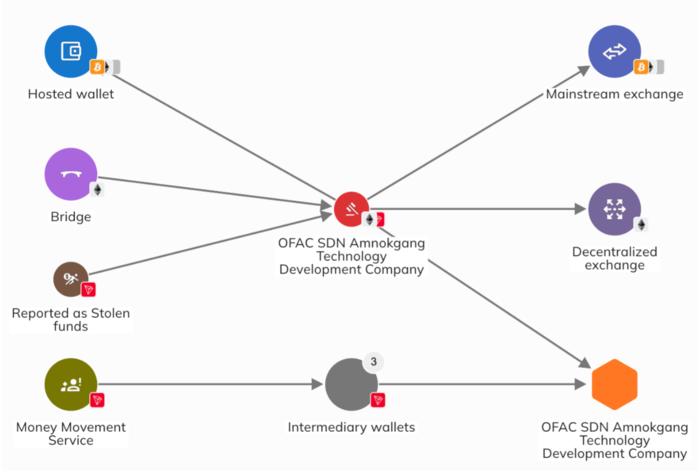
U.S. Treasury Freezes Crypto Network Feeding Nearly $800 Million To North Korea's Weapons Programs
10 sources compared
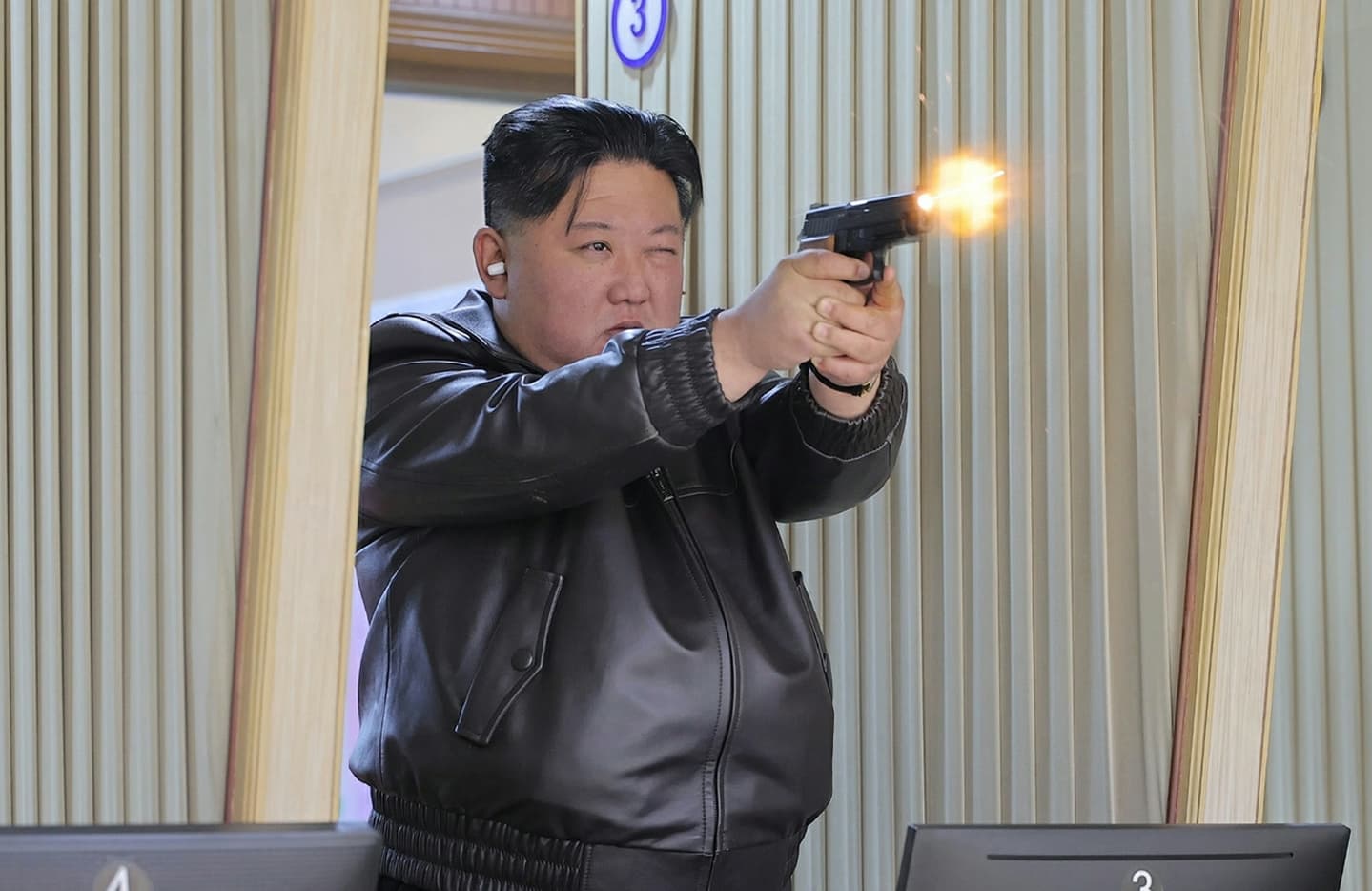
North Korean leader Kim Jong Un grooms daughter Ju Ae firing pistols at munitions factory
12 sources compared

Kim Jong Un Arms Inner Circle With Sniper Rifles After Party Congress
17 sources compared