
Nikol Pashinyan Rejects Russia, Kazakhstan, Belarus, Kyrgyzstan’s EU-EAEU Referendum Demand
Key Takeaways
- Pashinyan rejects Putin's demand for a referendum on EU-EAEU membership.
- Russia intensified pressure, including recalling its ambassador amid Armenia's EU rapprochement.
- Parliamentary elections in Armenia are scheduled for June 7.
Pashinyan rejects referendum
Armenian Prime Minister Nikol Pashinyan said there are “no grounds for holding such a vote” on whether Armenia should choose between the European Union and the Eurasian Economic Union, insisting that Armenia would continue as a member of the EAEU “until a choice between the European Union and the EAEU becomes unavoidable.”
“Armenian Prime Minister Nikol Pashinyan has rejected a call from Moscow to hold an immediate referendum on leaving the Russian-led Eurasian Economic Union (EAEU) to join the European Union”
Pashinyan argued in a video published on his Facebook page that “Until Armenia formally applies for EU membership or comes close to obtaining candidate status, it makes no sense to hold any referendum on the issue.”
The push for a referendum came from four EAEU member states—Russia, Kazakhstan, Belarus and Kyrgyzstan—whose presidents adopted a statement at a meeting of the Supreme Eurasian Economic Council in Astana on 29 May calling for a nationwide referendum “as soon as possible.”
That statement said the leaders’ position reflects steps Armenia has taken toward EU membership, including the Armenian parliament’s adoption in 2025 of the law “On Launching the Process of Armenia’s Accession to the European Union” and the European Union’s endorsement of Armenia’s European aspirations in a joint declaration after the first Armenia–EU summit on 5 May 2026.
Moscow recalls ambassador
Russia intensified pressure as the June 7 parliamentary election approached, recalling its ambassador to Armenia, Sergey Kopyrkin, “for consultations” over Armenia’s relations with the EU.
Euronews reported that Russia announced the recall of “Sergueï Kopyrkine” due to measures taken by Armenian leaders aimed at closer ties with the European Union that undermine cooperation within the EEU.
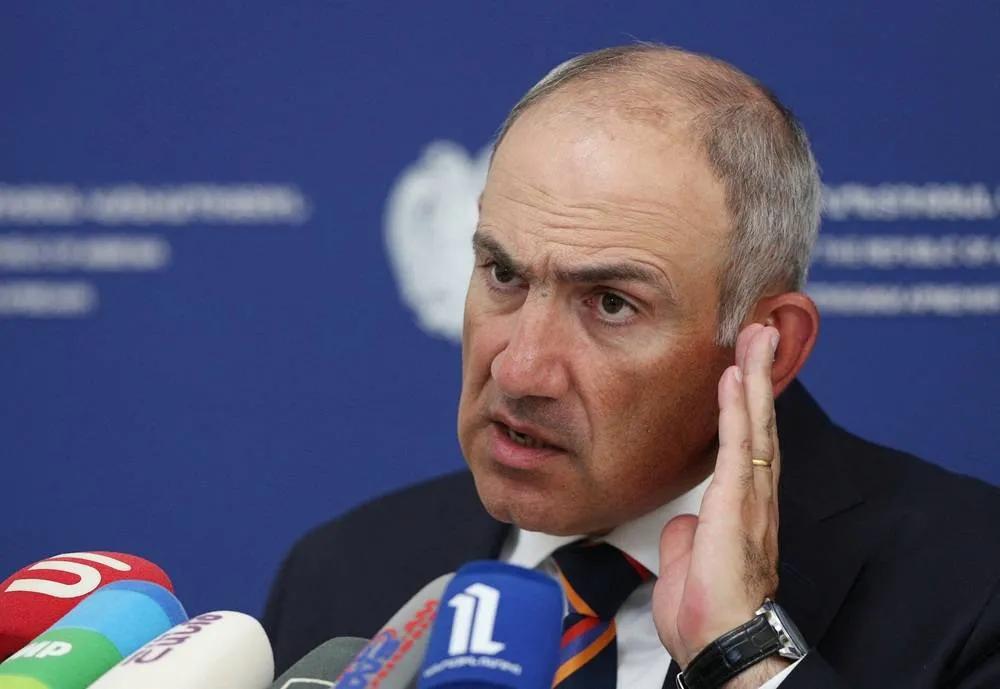
In parallel, the EAEU leaders’ joint statement warned that Armenia’s preparations for possible EU accession create “significant risks to the economic security of the EAEU member states,” and said Belarus, Kazakhstan, Kyrgyzstan and Russia decided to prepare a report on suspending the application of the EAEU Treaty to Armenia to be presented in December 2026.
Against that backdrop, Pashinyan rejected the referendum demand, saying Armenia would continue working within the EAEU “until a choice between the European Union and the Eurasian Economic Union becomes unavoidable,” while the Kremlin and EAEU allies argued for an immediate vote.
Elections and economic stakes
The dispute over a referendum is playing out just days before Armenia’s parliamentary elections on June 7, with Russia and EAEU allies framing Armenia’s EU trajectory as a threat to economic security and warning of possible suspension steps.
“Moscow intensifies pressure on Erevan ahead of the June 7 elections: trade restrictions, threats to suspend the EEU, and parallels with Ukraine, which has been attacked since 2022, following Donald Trump’s full support for the outgoing prime minister Nikol Pachinian”
In the lead-up, Russia backed up its rhetoric with economic measures, including restrictions targeting Jermuk mineral water and certain alcoholic beverages and a ban on imports of Armenian agricultural products such as tomatoes, cucumbers, peppers, herbs and strawberries, as well as flowers and ornamental plants since 30 May.
The stakes described by the sources also include potential consequences if Armenia leaves the EAEU, with Putin warning that such a development could “lead to the loss of at least 14% of Armenia’s GDP.”
At the same time, the sources say the Kremlin’s pressure is tied to the election environment, with Informat.ro reporting Reuters sources alleging Russia planned an influence operation that would mobilize about 100,000 Armenian citizens living in Russia to be transported to Armenia to vote against Prime Minister Nikol Pashinyan.
More on Europe

King Frederik X Asks Mette Frederiksen to Form Four-Party Left-Of-Center Denmark Government
17 sources compared

EU Opens Way for Return Hubs in Third Countries as Asylum Rules Tighten
12 sources compared

European Parliament Approves Return Hubs Detention Centers in Third Countries for Rejected Asylum Seekers
10 sources compared

France Police Detain Hundreds After PSG Champions League Win Against Arsenal in Budapest
22 sources compared