
Mexico Slaps Up to 50% Tariffs on Imports From India and China
Key Takeaways
- Senate approved tariffs of 5–50% on over 1,400 products from non‑FTA countries
- Measures primarily target Chinese and Indian exports, especially cars, auto parts and textiles
- Tariffs take effect January 1, 2026; Senate passed the bill 76–5
Mexico's tariff package
Mexico’s Senate approved a sweeping tariff package that will impose duties of roughly 5%-50% on more than 1,400 product categories.
“The article reports three items: a man who spent more than 17 years as a senior editor at The Nation; that Asia Financial is owned by Capital Link International Holdings Ltd”
The measures target imports from countries that do not have free-trade agreements with Mexico, including India and China, and are due to take effect on January 1, 2026.
Senators passed the measure in the upper house by a large margin, reported as 76–5 with 35 abstentions.
The tariff list focuses on autos, auto parts, passenger vehicles, textiles, plastics, steel and other manufactured goods.
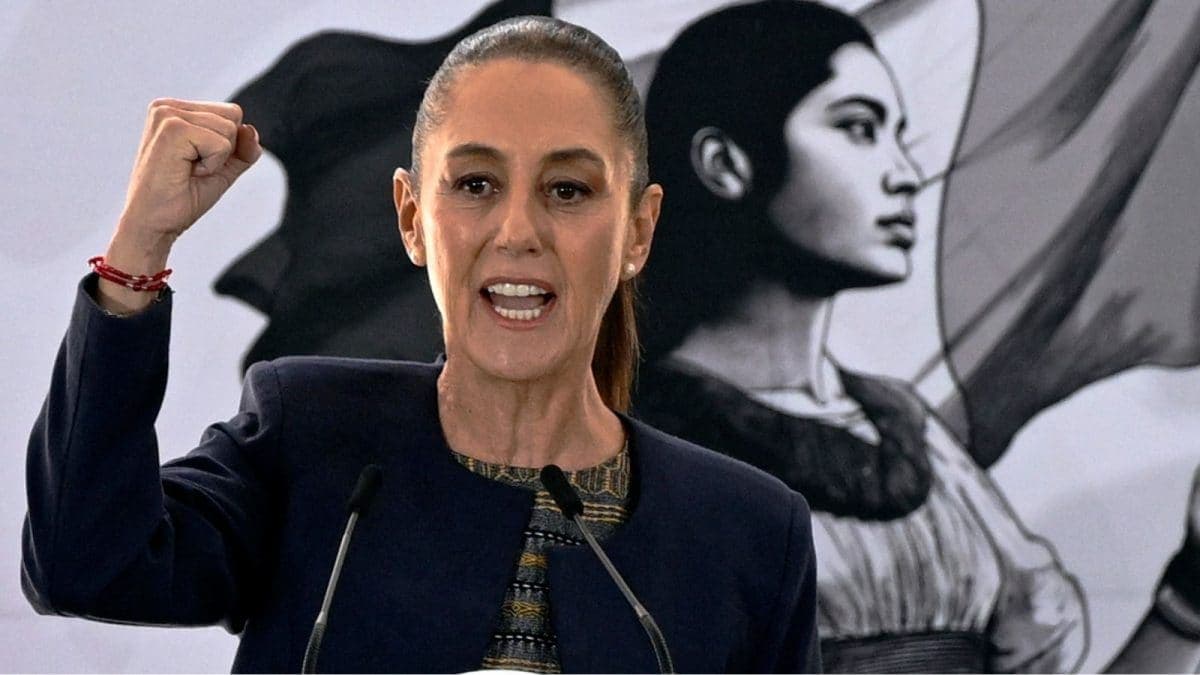
Mexican officials say the move aims to boost domestic production and raise revenue under President Claudia Sheinbaum.
Mexico's tariff justification
Mexican authorities justify the tariffs as protection for domestic industry.
The finance ministry estimates roughly 52 billion pesos (about $2.8 billion) in extra revenue next year.

Officials say the policy will reduce import dependence and shore up jobs.
President Sheinbaum's administration is publicly defending the move as economic protection rather than a geopolitical alignment with the United States.
Some government statements explicitly deny coordination with the U.S., even as analysts note similarities with recent U.S. protectionist steps.
Tariffs on Chinese goods
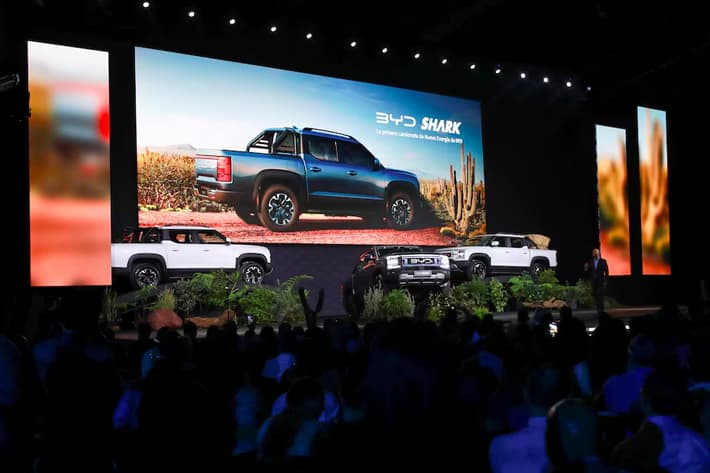
The tariff schedule explicitly targets autos and related sectors, singling out Chinese-made cars for the steepest 50% duty in several categories.
“VW India chief Piyush Arora said Mexico has long been an important export market for India-made models”
Broader tariff bands of 20–35% or lower will affect textiles, machinery, plastics, electrical equipment and many consumer goods.
Observers note the auto sector’s exposure as Chinese brands supply an increasing share of Mexico’s vehicle market.
Manufacturers warn that higher input costs could cascade into higher domestic prices.
Global trade reactions
Reactions have been mixed and at times confrontational.
China publicly condemned the measure, warned it would substantially harm its interests, and recalled a trade-barrier probe, according to TRT World.

Indian exporters said the move would compound pressure from recent U.S. trade duties and disrupt key export lines.
Mexican manufacturers warned of higher input costs and inflationary risks.
Exporters and analysts urged rapid market adjustments, exemptions or negotiations.
Mexico tariff law changes
Beyond immediate trade effects, the law changes policy mechanics.
“Mexico has approved a new tariff regime that raises import duties on goods coming from countries with which it does not have a free trade agreement (FTA)”
According to several accounts, the new rules let Mexico's Economy Ministry adjust tariffs without fresh congressional approval, enabling faster responses ahead of the next USMCA review.
The bill still requires presidential ratification and faces practical questions about the final product list and exemptions.
Analysts and exporters urged quick clarifications and negotiation channels to manage supply-chain disruptions and find alternative markets.
More on Mexico

Pentagon Lifts Lockdown After Air Quality Issue Tests Find No Hazard
14 sources compared
Mexico City World Cup Opener Turns Violent as Hooded Protesters Clash With Police Outside Azteca Stadium
12 sources compared

USDA Confirms New World Screwworm in U.S. as Infestations Rise to Five Animals
54 sources compared

Federal Agents Investigate Six Deaths From Heat Stroke in Laredo, Texas Shipping Container
20 sources compared