
Mansa Court Jails Investigative Journalist Ravi Nair for One Year in Adani Defamation Case
Key Takeaways
- Mansa magistrate court convicted Ravi Nair of criminal defamation in suit by Adani Enterprises
- Court sentenced him to one year imprisonment and fined ₹5,000
- Conviction stemmed from tweets and articles alleged to contain defamatory statements about Adani
Journalist defamation conviction
On February 10, 2026, a magistrate court in Mansa, Gandhinagar convicted investigative journalist Ravi Nair in a criminal defamation case filed by Adani Enterprises Ltd and sentenced him to one year's imprisonment and a ₹5,000 fine.
“A Gujarat court has found journalist Ravi Nair guilty in a slander lawsuit involving the Adani Group”
The case related to a series of social-media posts and articles published between October 2020 and July 2021, including material on adaniwatch.org, and was heard by Judicial Magistrate First Class Damini Dixit.
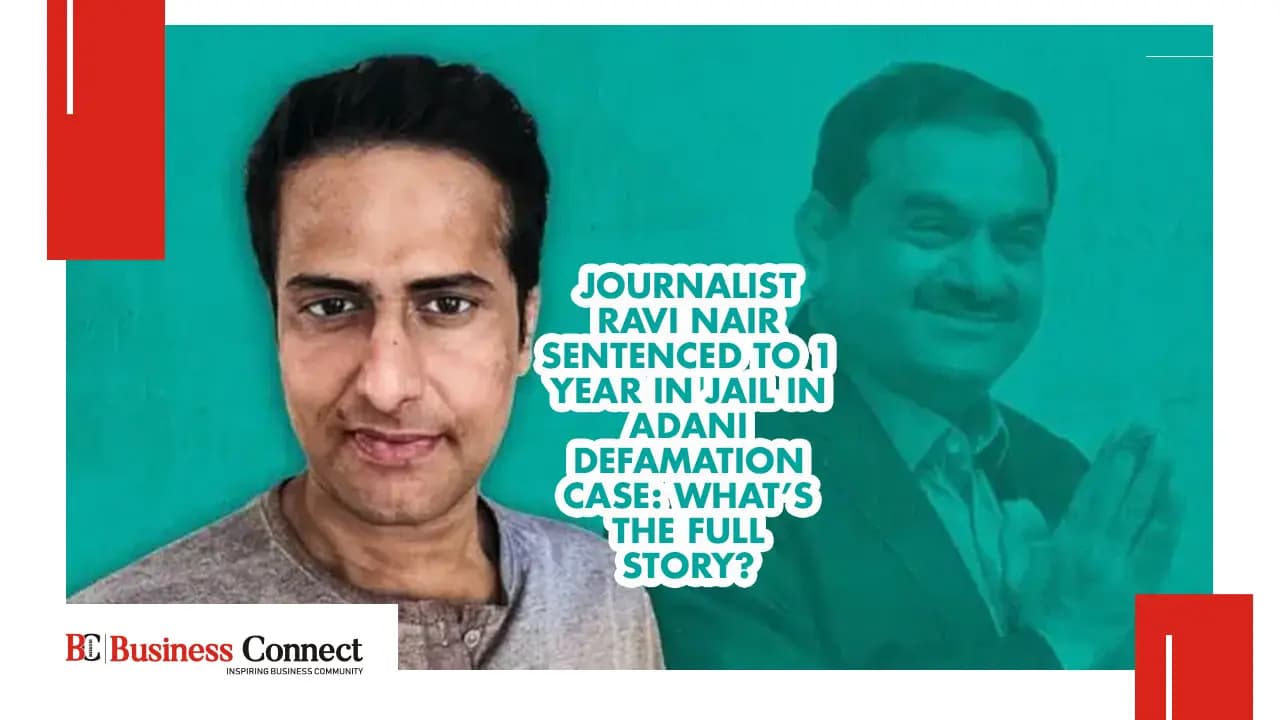
Multiple reports identify the conviction date, the sentence, and the connection to Adani Enterprises as the complainant.
Court findings on defamation
The court’s written findings concluded that Nair’s social-media posts and articles went beyond fair comment and were 'designed to undermine' Adani’s reputation.
The court rejected his free-speech defence and treated the publications as declaratory and accusatory statements capable of lowering the company’s moral and commercial standing.

ThePrint records the magistrate’s legal basis under Section 499 (punishable under Section 500) of the IPC.
LawBeat and BusinessLine report the court’s view that commentators must bear responsibility when making categorical imputations.
Sentencing and procedural summary
The court imposed one year's simple imprisonment and a Rs 5,000 fine and refused to grant probation.
“Indian journalist Ravi Nair's defamation conviction comes amid wider concerns over the Adani Group's repeated use of legal complaints over media coverage of the conglomerate's business activities”
The court noted that a seasoned journalist should understand the reach and consequences of publishing serious allegations on digital platforms.
Reports indicate the case was treated as triable on summons and that the judgment was issued in a written order.
Coverage records the judgment date and notes the order was circulated by news outlets on February 11, 2026.
Coverage differences and gaps
Coverage differences and remaining uncertainties are notable.
ThePrint highlights the court's detailed reasoning and its explicit finding that no evidence was produced to justify the allegations on grounds of truth, good faith, or public interest.

LawBeat stresses that the posts were designed to undermine and cites relevant procedural sections.
Republic World summarizes the ruling with an emphasis on journalistic responsibility.
Two supplied snippets, from Business Connect Magazine and The Quint, do not contain substantive reporting and request the article text, illustrating gaps in the source set.
The available excerpts do not describe Nair's immediate legal response, such as an appeal, nor provide extended judgment excerpts, leaving factual and procedural follow-ups unclear.
More on India

Pakistan Attacks Kabul Omid Hospital, Killing Over 400, Taliban Says
12 sources compared

Pakistan Airstrike Kills Hundreds at Kabul Drug Rehabilitation Center
41 sources compared
Afghanistan Says Pakistan Strikes Kabul Hospital, Killing 400
77 sources compared
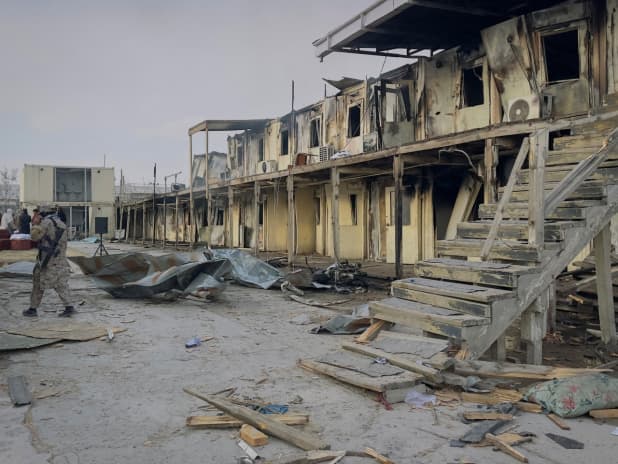
Afghanistan Says Pakistan Killed 400 at Kabul Hospital
244 sources compared