
Keiko Fujimori Leads Peru Presidential Vote as Election Officials Extend Counting
Key Takeaways
- Keiko Fujimori leads the first-round presidential vote as counting continues.
- Ballot-delivery chaos delays the vote, pushing counting into a second day.
- Runoff on June 7; opponent likely Sánchez or López Aliaga.
Peru election delay
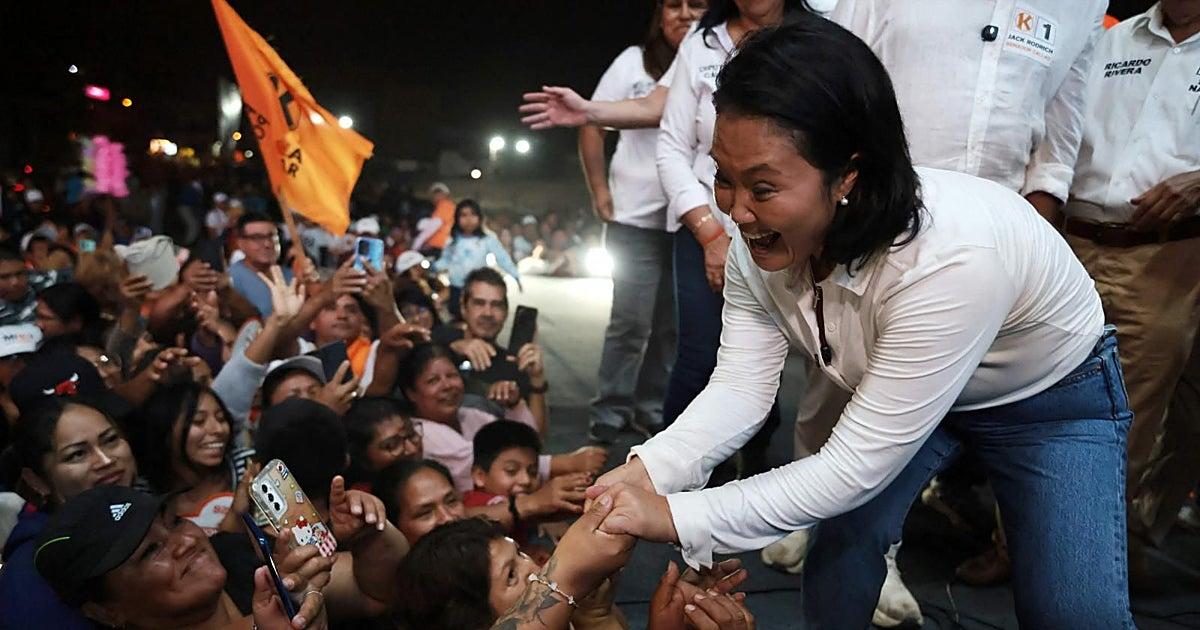
Keiko Fujimori has bested a crowded field of 35 candidates to secure first place in Peru’s presidential race, and she is set to advance to a runoff on June 7.
The vote on Sunday, April 12 was marked by delays and logistical failures that led officials to extend voting to the following day for about 60,000 people at 15 polling locations in Lima and two abroad.
As Peru’s elections authority continues to count ballots, the runoff is expected to be between either Roberto Sánchez or Rafael López Aliaga, with the two locked in a tight battle for second place.
The text says Sánchez has a slim lead over López Aliaga and is now the favorite to advance.
It also states that López Aliaga alleged widespread fraud and called for the vote to be annulled, while the head of the EU elections observer mission reported on April 14 that its team had found no evidence of such fraud.
The article further notes that votes are being counted for all seats in both chambers of Congress, and it frames the situation as one where analysts are sharing reactions and perspectives as the count continues.
Analysts’ reactions
Alfredo Thorne, identified as Principal director at Thorne & Associates and former finance and economy minister of Peru from 2016-17, is quoted in the text as describing what voters cast their ballots for on Sunday.
The article says Peru’s voters cast their ballots for president, Congress, the Senate, and the Andean Parliament, with 37 political parties competing.

It reports that with 91.5% of the votes counted, Keiko Fujimori leads with 17% of valid votes and will advance to the runoff on June 7, while the second place remains disputed between Rafael Lopez de Aliaga with 11.9% and Roberto Sanchez with 12%.
The text adds that fewer than 30,000 votes separate them and that, compared to the figure of 27 million eligible voters, the number of people who were allowed to vote on Monday was small but could be critical.
It also says that in a normal election few would contest the results, but candidates may question them given the difficulties the country’s national elections office (ONPE) has had since election day.
The analysis continues by arguing that if Sánchez faces Fujimori in the runoff, the outcome remains uncertain, noting that Fujimori has lost three consecutive presidential runoffs and that she has a sizable presence in low-income communities where Sánchez is also strong.
It further states that the congressional election and the new Senate are especially important, describing the first upper chamber to take office since the 1990s and discussing seat composition estimates for the Senate and the lower house.
More on South America

IMF And World Bank Resume Dealings With Venezuela Under Interim President Delcy Rodriguez
10 sources compared
Peru Holds Presidential Election With 35 Candidates Amid Political Chaos
14 sources compared
France Condemns US Capture Of Venezuelan President Maduro As International Law Violation
16 sources compared
Ecuador Raises Tariffs on Colombian Imports to 100 Percent Over Border Security
18 sources compared