Israel Kills Four Palestinians in Gaza as Ceasefire Violations Persist
Key Takeaways
- Four Palestinians killed and 14 injured in Gaza amid ceasefire violations.
- Victims remain trapped under rubble as emergency crews struggle to reach them.
- Aid restrictions contribute to renewed food shortages in Gaza amid conflict.
Ceasefire Killings
Israeli forces killed four Palestinians and injured 14 others over the past 24 hours in Gaza, continuing systematic violations of the ceasefire agreement.
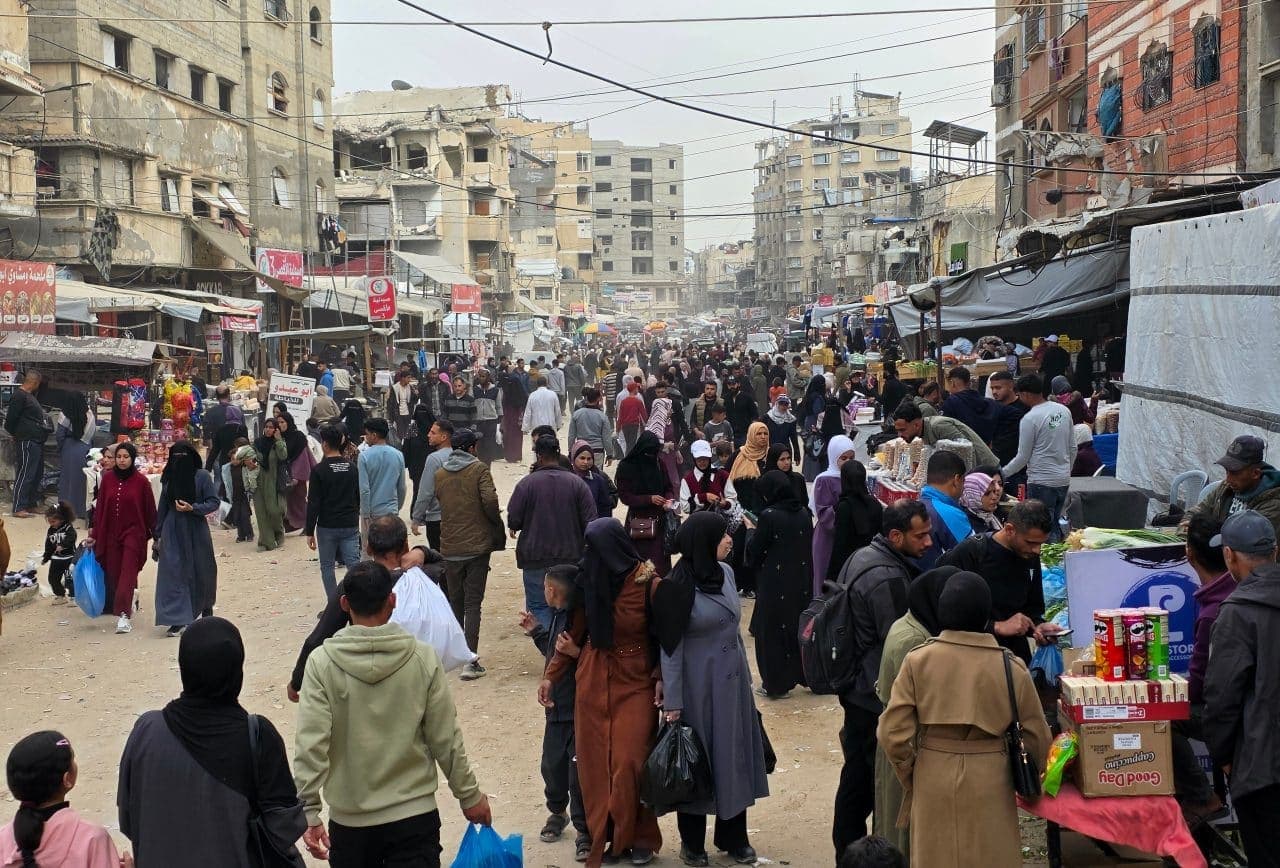
“Yousef al-Lahham, 54, walked through the Khan Younis market last week looking for food, but was unable to find anything even remotely affordable”
The Ministry of Health in Gaza reported that some victims remain trapped under rubble or in streets, with ambulance crews unable to reach them.
These latest killings follow the death of three Palestinians and injury of 14 others the previous day when Israeli aircraft targeted a vehicle in the Mawasi area of Khan Yunis.
Health authorities stated that since the ceasefire began, a total of 677 Palestinians have been killed and 1,813 injured, with 756 bodies recovered.
The violations include 2,073 incidents since the ceasefire came into effect, comprising 750 cases of gunfire, 973 instances of shelling, 263 demolitions, and dozens of incursions.
Humanitarian Catastrophe
The Gaza genocide has resulted in catastrophic human costs, with the total number of Palestinians killed since October 7, 2023, rising to 72,253, while 171,912 others have been injured.
More than 2.4 million Palestinians in Gaza are marking Eid al-Fitr under unprecedented humanitarian conditions, facing severe shortages of food, water, and medicine.
The Gaza Government Media Office described the population as being subject to a 'systematic starvation policy' where families are unable to meet even the most basic needs.
The office stated that Eid has become 'a scene of pain and ongoing suffering' rather than a celebration, highlighting the depth of the humanitarian catastrophe.
Economic Crisis
The economic crisis in Gaza has been exacerbated by changes in aid delivery and the proliferation of 'coordination fees' that facilitate goods entry through border crossings.
“Yousef al-Lahham, 54, walked through the Khan Younis market last week looking for food, but was unable to find anything even remotely affordable”
These fees, considered formalized bribery by many Gazans, have been increased by merchants citing war-related instability, driving up imported goods prices.
Most Gazans reject official explanations, reporting empty markets and merchants hoarding goods to extract greater profits.
Resident Younes al-Lahham stated he finds food at double the original price and that 'our lives are dictated by these fluctuations' with merchants raising prices when crossings close or during war.
Price Control Efforts
Local authorities in Gaza have attempted to address the economic crisis through market sweeps and price controls, seizing thousands of kilograms of overpriced goods.
During a field inspection tour in Khan Younis, authorities seized 3,511 kilograms of vegetables and fruits from a merchant who deliberately raised prices.
Additional measures included ordering a frozen food merchant to sell 800 kilograms of meat and 160 kilograms of chicken at sanctioned prices, and confiscating 250 kilograms of meat from another merchant.
The Gaza Government Media Office stated it will not tolerate violations that may lead to the 'exploitation of citizens' and launched a campaign to prevent monopolies and price gouging.
More on Gaza Genocide

French naval officer Arthur reveals Charles de Gaulle's location via Strava
19 sources compared

Protesters heckle Australian PM Albanese at Sydney mosque over Israel stance
18 sources compared

Kent resigns as Trump's counterterrorism chief, says Israel deceived U.S. into Iran war
24 sources compared

Iran Fires Missiles at Israel, Killing Three Palestinian Women and a Foreign Worker
23 sources compared