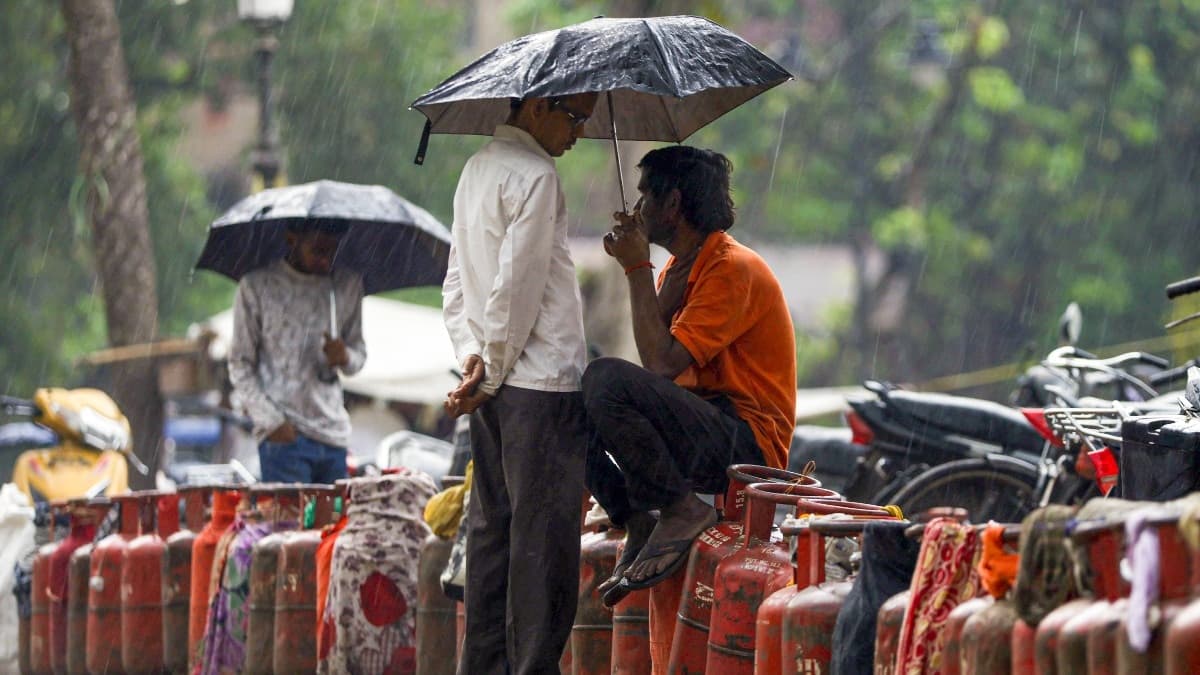
ISMA urges PMO to boost ethanol use to slash India's LPG imports and subsidies.
Key Takeaways
- ISMA urged PMO to boost domestically produced ethanol to reduce LPG imports.
- Policy aims to ease the government's LPG subsidy burden.
- ISMA submitted the representation to the PMO.
Import Dependency Crisis
India's sugar industry has urged the Prime Minister's Office to significantly expand ethanol usage as a cooking fuel alternative.
“The sugar industry has proposed a policy push to expand the use of ethanol beyond transport and into household kitchens, positioning it as a complementary clean fuel to reduce India’s heavy dependence on imported LPG and ease the government’s subsidy burden”
According to a recent representation by the Indian Sugar & Bio-energy Manufacturers Association (ISMA), approximately 60% of India's LPG requirements are currently met through imports.
This exposure leaves the nation vulnerable to significant global supply risks and geopolitical disruptions.
The industry highlighted that India consumes over 34 million tonnes of LPG annually.
A substantial portion of this supply is transported through geopolitically sensitive regions like the Strait of Hormuz.
This transportation route makes supplies vulnerable to external disruptions and price volatility amid ongoing geopolitical tensions.
Ethanol Capacity Advantage
The sugar industry has identified substantial ethanol production capacity as a strategic opportunity to address India's energy security concerns.
India's ethanol production capacity already exceeds 2,000 crore litres, supported by government biofuel policies and the ethanol blending programme.
ISMA argues that ethanol presents a viable, scalable, and domestically produced alternative for cooking applications.
Industry emphasizes that ethanol-based cooking solutions offer clean combustion with negligible soot.
Lower emissions are another key advantage of ethanol cooking solutions.
Ethanol is compatible with flexible distribution models such as pay-as-you-go systems.
These flexible systems can ease affordability constraints for low-income households.
Fiscal Impact Analysis
The proposed ethanol substitution could deliver substantial fiscal relief to the Indian government.
“The sugar industry has proposed a policy push to expand the use of ethanol beyond transport and into household kitchens, positioning it as a complementary clean fuel to reduce India’s heavy dependence on imported LPG and ease the government’s subsidy burden”
ISMA estimates that replacing just 20% of domestic LPG consumption with ethanol could reduce annual LPG usage by approximately 6 million tonnes.
This shift could generate savings exceeding Rs 8,000 crore in subsidy and related compensation payments.
The industry highlights that this would reduce fiscal expenditure significantly.
The shift would also expand the domestic market for biofuels.
It would provide a more resilient and sustainable cooking fuel ecosystem for households and small businesses.
ISMA notes that India's LPG-led clean cooking transition faces a critical gap where access does not always translate into sustained usage.
Average annual LPG consumption among Ujjwala beneficiaries remains below the national average.
Policy Recommendations
To facilitate this transition, ISMA has recommended a structured policy framework.
The recommendations include official recognition of ethanol as a clean cooking fuel.
Integration with existing fuel retail networks is also suggested.
Support for innovative distribution models should be provided.
Targeted pilot projects should be implemented.
The association suggests coordinating these initiatives with existing schemes such as the Ujjwala Yojana.
This coordination would ensure wide adoption and accessibility.
Industry observers note that supply risk has already started reflecting on the ground.
Commercial users like restaurants and small businesses face tighter access and longer booking cycles.
This underscores the urgency of addressing India's LPG import dependence through domestic alternatives like ethanol.
More on Technology and Science

Trump Unveils National AI Policy Framework to Preempt State Laws
20 sources compared

Social media damages youth well-being, World Happiness Report 2026 finds
34 sources compared

Meta Pays Creators Up to $3,000 to Post on Facebook, Launching Creator Fast Track.
25 sources compared
Climate Change Drives Record March Heat in Southwest U.S.
14 sources compared