
Iran War Breaks Out as Bitcoin Holds at $69,000, Oil Spikes
Key Takeaways
- Bitcoin trades around $69,000 to $70,000 amid oil rally and tensions.
- Oil spikes as Middle East tensions escalate, pressuring global markets.
- Federal Reserve maintains rates; no cuts until inflation improves, dollar strengthens.
Market Overview
The outbreak of war between Iran and Israel has triggered significant market volatility with Bitcoin holding relatively steady at $69,000 while traditional assets experience sharp declines.
“Bitcoin holds $69,000 as gold tumbles and oil spikes, but one analyst says stay on sidelines While bitcoin has shown relative strength against gold since the war in Iran broke out, investors are better off holding off "dry powder" while prices swing wildly on headlines, said Wintermute's Bryan Tan”
Bitcoin has shown notable resilience compared to gold and other traditional investments during this Middle East conflict.
According to Wintermute's Bryan Tan, while Bitcoin has demonstrated relative strength against gold since the Iran war began, investors should remain cautious with dip buying given the lack of follow-through above $75,000.
The cryptocurrency market has been influenced by escalating tensions that rattled global markets, with Bitcoin slipping to $69,000 but maintaining better performance than many traditional assets amid the geopolitical crisis.
The situation has been characterized by wild price swings driven by headline news, leading analysts to suggest investors hold off on deploying 'dry powder' until market conditions stabilize.
Bitcoin vs Traditional Assets
Bitcoin's performance during the Iran conflict represents a significant shift in market dynamics, with the cryptocurrency outperforming traditional safe-haven assets like gold and silver.
While Bitcoin has faced downward pressure, dropping below $70,000 to trade near $69,500, the decline has been relatively modest compared to traditional investments.
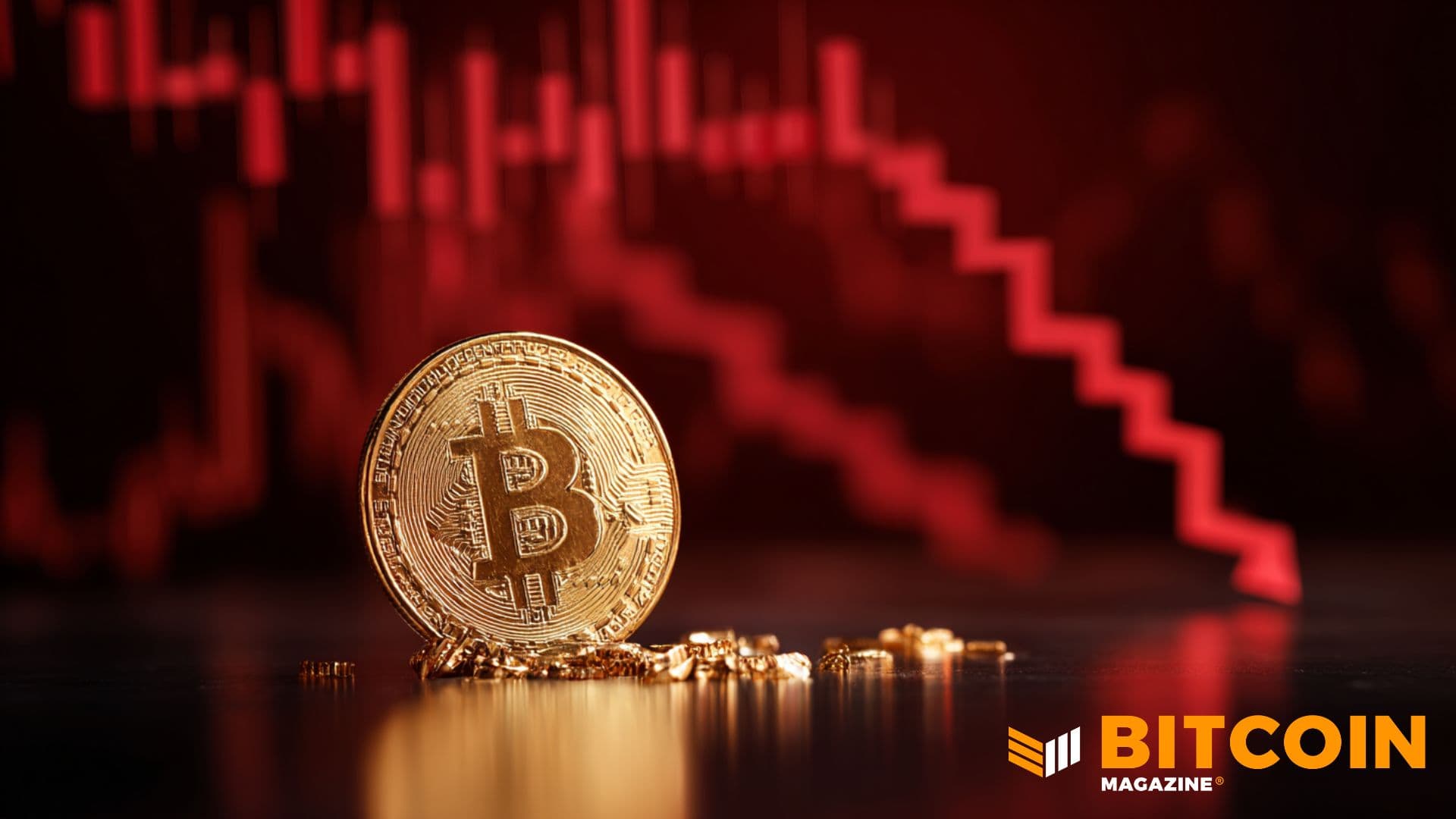
Gold experienced a dramatic 5% drop to around $4,500 an ounce, reaching its lowest level since early February, while silver fell even more sharply by 6.6%.
This divergent performance suggests that Bitcoin may be increasingly viewed as a different type of asset class during geopolitical crises, with investors potentially seeking exposure to digital assets rather than traditional safe havens.
The cryptocurrency's resilience amid the macro shock rippling across global markets indicates changing investor behavior during periods of heightened geopolitical uncertainty.
Oil Market Dynamics
Oil markets have become the epicenter of the Iran conflict's economic impact, with prices surging to multi-year highs amid fears of supply disruptions.
“Recent data showed producer price inflation rising to 3”
Brent crude climbed above $114 per barrel, with some reports indicating it reached as high as $119, while Oman crude surged dramatically to $150 per barrel.
The spike reflects growing concerns about potential energy shortages after attacks on critical infrastructure in the Middle East, including Iran's missile strikes targeting a facility in Qatar and earlier attacks on Iran's South Pars gas field.
Analysts are warning that oil prices could potentially reach $200 per barrel if the situation worsens and the Strait of Hormuz remains closed, a scenario that would represent a major handbrake to the global economy.
Vandana Hari, founder of Vanda Insights, emphasized that oil price movements 'almost entirely hinges on how much longer the Strait of Hormuz remains closed,' while Adi Imsirovic from the University of Oxford stated that oil reaching $200 was 'perfectly possible' and would have severe economic consequences.
Traditional Market Reactions
Traditional financial markets have reacted negatively to the Iran conflict, with major indices hitting fresh 2026 lows amid growing inflation concerns.
The S&P 500 and Nasdaq both slid nearly 1% in morning trading, reflecting investor pullback from risk assets as the geopolitical situation escalates.
Market observers attribute the sell-off to growing concerns about a potential energy crisis driven by surging oil prices, which could force central banks to delay or even reverse interest rate cuts.
The Federal Reserve's steady stance has reinforced a stronger dollar, further dampening appetite for risk assets including cryptocurrencies and equities.
This broader market weakness extends beyond traditional stocks to include corporate holders of Bitcoin, with Strategy down 2.72%, while Gemini edged slightly higher ahead of its earnings report.
The confluence of factors - geopolitical tensions, oil price spikes, and monetary policy uncertainty - has created a challenging environment for investors across all asset classes.
Analyst Perspectives
Analysts are divided on the outlook for financial markets as the Iran conflict continues to unfold, with varying perspectives on how investors should position themselves.
“Bitcoin price fell below the $70,000 level on Thursday, pressured by a surge in energy prices and a steady stance from the Federal Reserve that reinforced a stronger dollar and dampened appetite for risk assets”
Wintermute's Bryan Tan advises caution, suggesting that investors should hold off on deploying capital while prices swing wildly on headlines, emphasizing the importance of maintaining 'dry powder' during periods of extreme volatility.
The analyst notes that while Bitcoin has shown relative strength against traditional assets during this crisis, the lack of sustained momentum above $75,000 suggests that the upside potential may be limited in the near term.
Market sentiment remains fragile, with investors closely monitoring developments in the Middle East and their potential impact on global energy supplies.
The broader economic implications remain concerning, as any prolonged disruption to oil supplies could trigger inflationary pressures that force central banks to maintain higher interest rates for longer, potentially stifling economic growth.
The situation underscores the interconnected nature of global markets and how geopolitical events in one region can have far-reaching consequences across all asset classes.
More on Crypto

Coinbase Launches Stock Perpetual Futures for Non-U.S. Users
12 sources compared

Morgan Stanley Advances Bitcoin ETF Application with Amended SEC Filing
12 sources compared
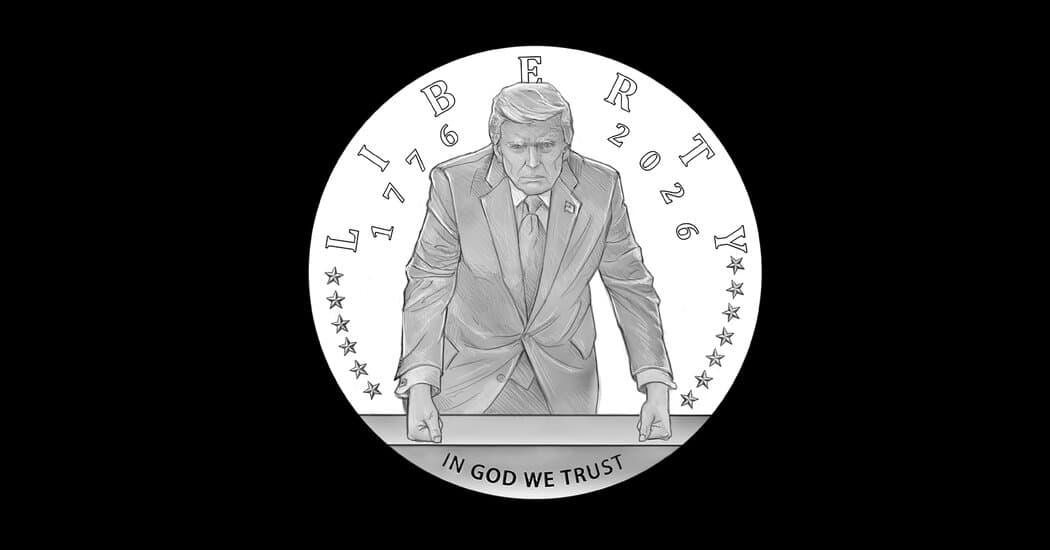
U.S. Commission of Fine Arts Approves 24-Karat Gold Coin Bearing Trump's Image
12 sources compared
FTX to Distribute $2.2B to Creditors in March
16 sources compared