Iran Struggles Under US-Israeli Bombing: Over 21,000 Killed, Widespread Destruction
Key Takeaways
- Casualties between 1,300 and 1,600; about 100,000 displaced.
- Civilian infrastructure heavily damaged across the country.
- Media and UN agencies report a growing humanitarian crisis in Iran.
Humanitarian Catastrophe Unfolds
The Iranian Red Crescent reported over 21,000 killed and nearly 115,000 civilian facilities damaged or destroyed.
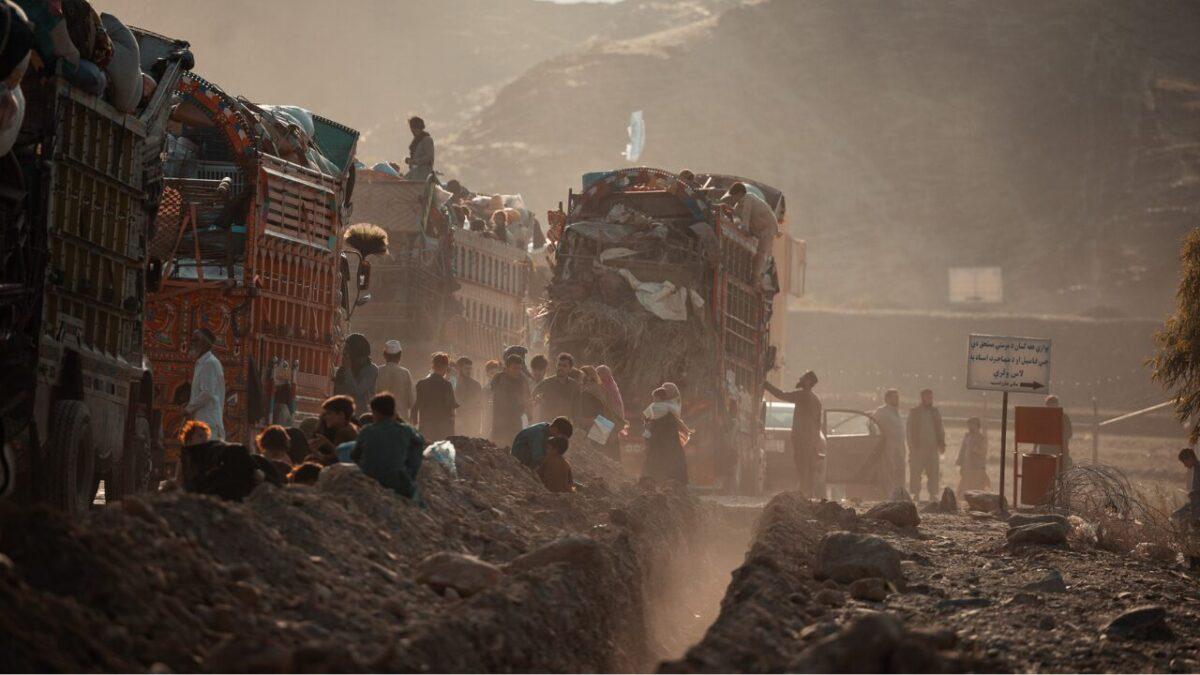
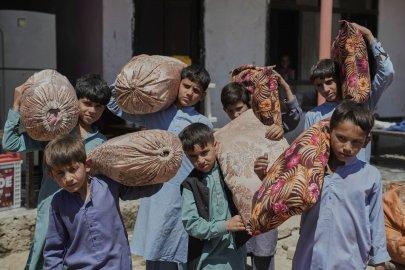
“UNHCR, in its latest report, says that more than four million Afghan migrants in Iran are facing a severe humanitarian crisis”
Residential destruction affected over 914,000 housing units, displacing hundreds of thousands.
These figures starkly contrast with sub-3,000 death tolls reported by some Western outlets after a week of bombardment.
The UNHCR declared the situation a major humanitarian emergency.
Four million Afghan migrants in Iran faced deteriorating conditions and forced expulsions mounting.
Economic and Social Collapse
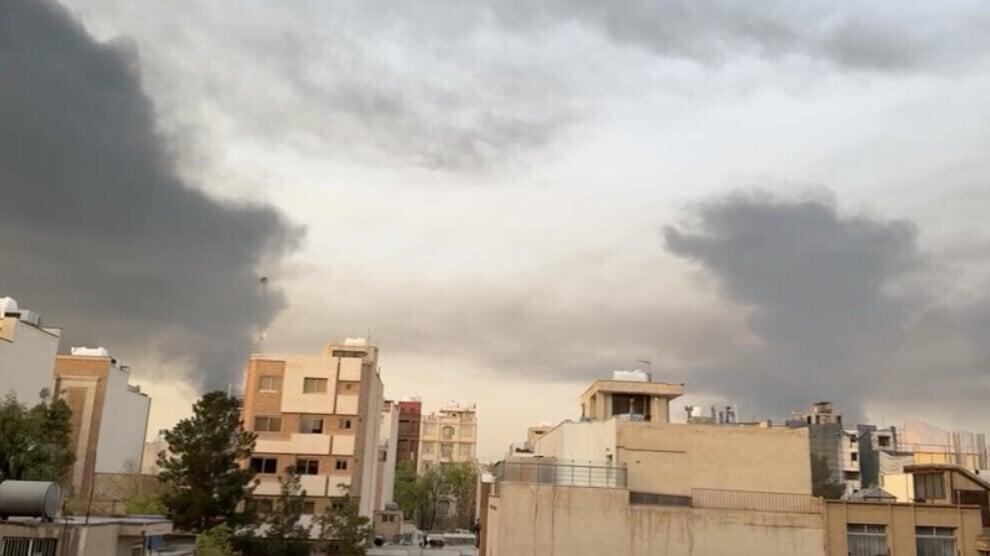
Essential infrastructure was collapsing across Iran with widespread electricity blackouts.
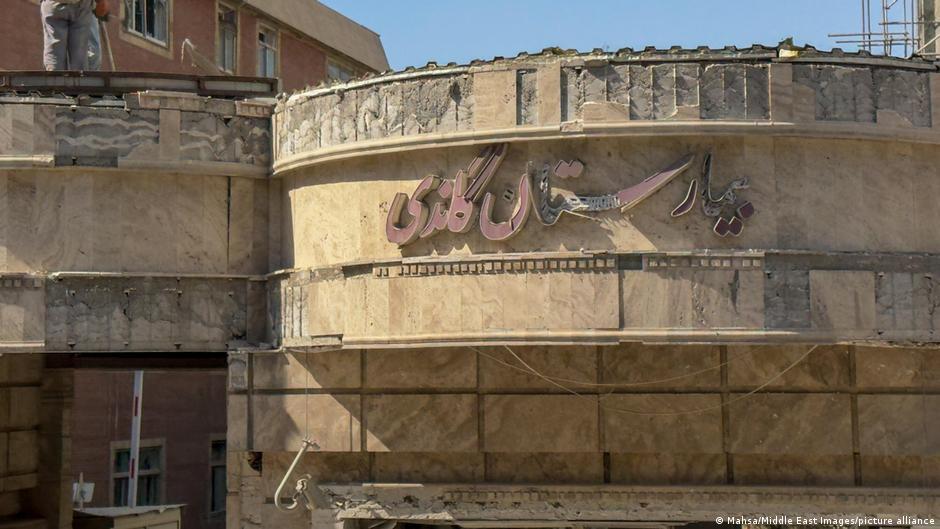
Healthcare systems were overwhelmed despite extraordinary efforts by medical workers.
Food prices surged dramatically, compounding supply chain disruptions.
Fuel shortages triggered power cuts and interrupted emergency services.
Al Jazeera documented fuel stores destroyed as part of a plan to degrade Iran's war-making capacity.
Sociopolitical Strains Surface
The prolonged bombardment exacerbated longstanding sociopolitical fissures within Iran.
“President and CEO of the International Rescue Committee, and Former UK Foreign Secretary, David Miliband talks about his trip to the Middle East and the growing humanitarian crisis in the region caused by the Iran war”
Popular discontent grew amid divergent narratives about the war's justification.
The Maskan rescue incident in Tehran became a potent symbol of the human cost beyond the battlefield.
Military Strikes Widen to Regional Neighbors
The US-Israeli campaign extended beyond Iran to Iraq, Lebanon, Syria, and Pakistan.
Assassinations of Iraq's President and Prime Minister inflamed Iraqi outrage.
Israel bombed Lebanon's Hezbollah-controlled television infrastructure.
Pakistan's Prime Minister ordered the military to take all possible measures to protect sovereignty.
Coverage differed sharply between regional and Western outlets.
International Law and Accountability Debates
The UN General Assembly adopted resolutions demanding Israel and the US cease hostilities.
“Behind the lines of every battle, another group of victims quietly and silently lose their lives; patients whose lives depend on medicines, ongoing treatment, and access to a doctor”
Human Rights Watch called for investigations into unlawful attacks on civilian infrastructure.
Qatar initiated indirect talks between Tehran and Washington.
The Atlantic Council characterized the campaign as a high-risk gamble.
Western Political Pressures Mount
Congressional Democrats demanded briefings on the war's legality.
Polls showed only 27% of Americans approved the strikes.
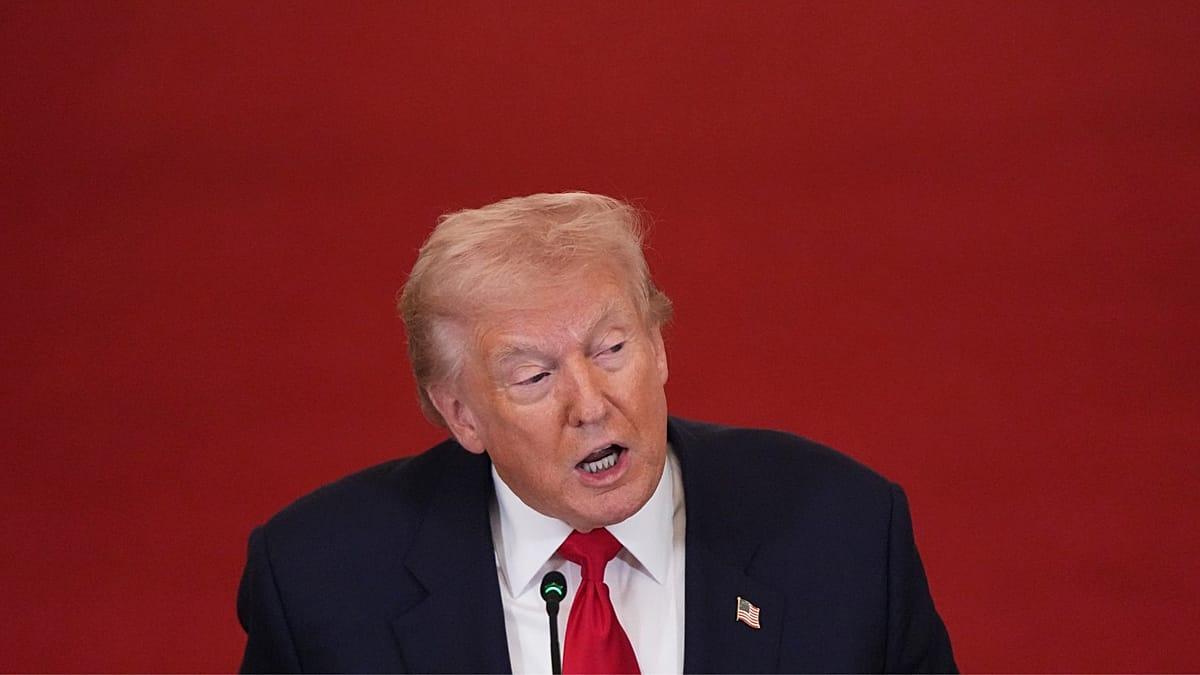
Trump threatened to continue with ferocious unyielding resolve.
The administration de-prioritized other foreign policy objectives like Cuba.
More on Iran
Pentagon Prepares Limited Ground Operations After USS Tripoli Deploys
11 sources compared
US Air Force Launches Risky Rescue to Recover F-15E Pilot Downed in Iran
26 sources compared
Iran Shoots Down US A-10 Warthog and F-15; Rescue Under Way
13 sources compared
Iran Shoots Down Two US Warplanes; One Airman Missing, Two Rescued
17 sources compared