
Germany Loses UN Security Council Seat Bid as Austria and Portugal Win Votes
Key Takeaways
- Portugal and Austria won the two Western Europe seats on the UNSC; Germany lost.
- Germany blamed Russia for the defeat, citing Moscow's opposition.
- Foreign Minister Wadephul called the loss a bitter defeat after the June 3 vote.
Germany misses UN seat
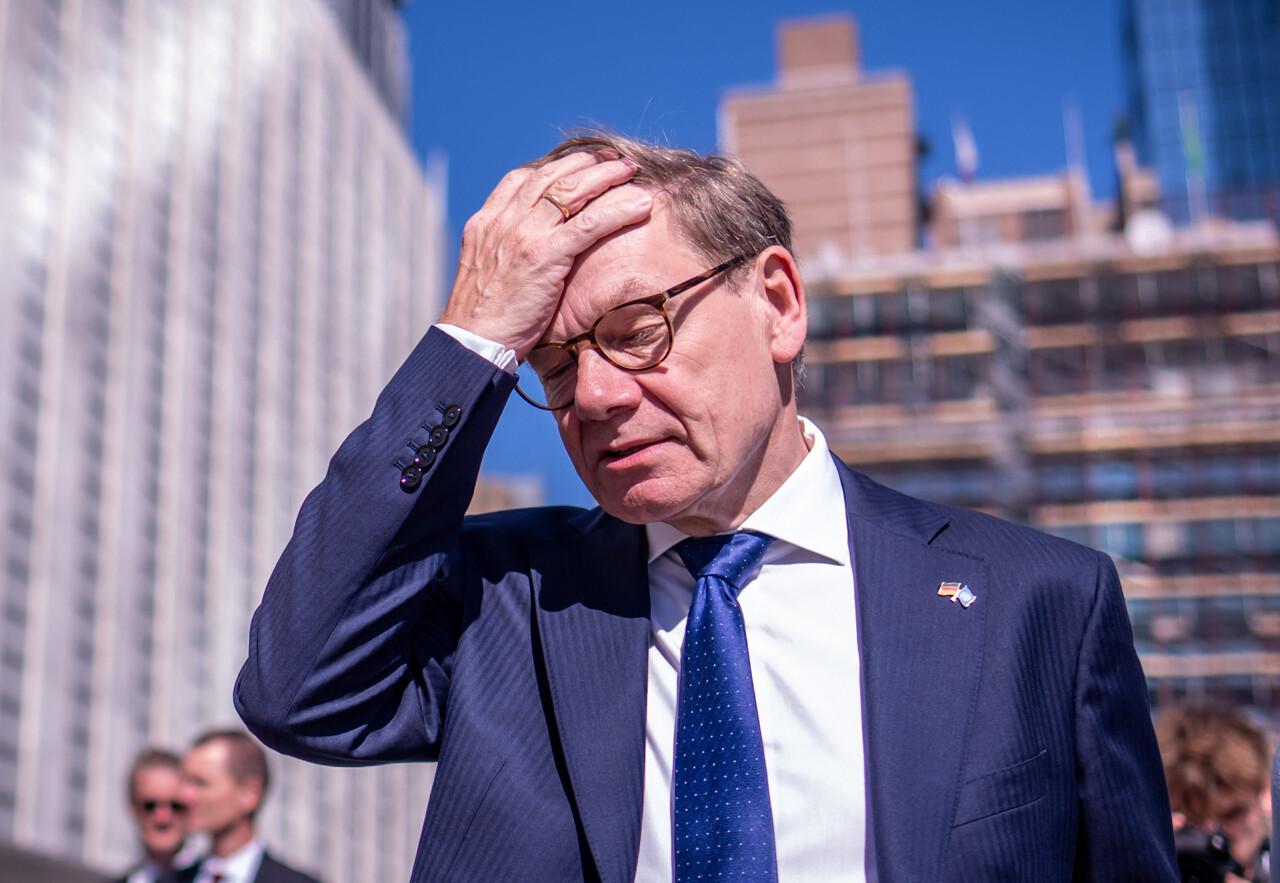
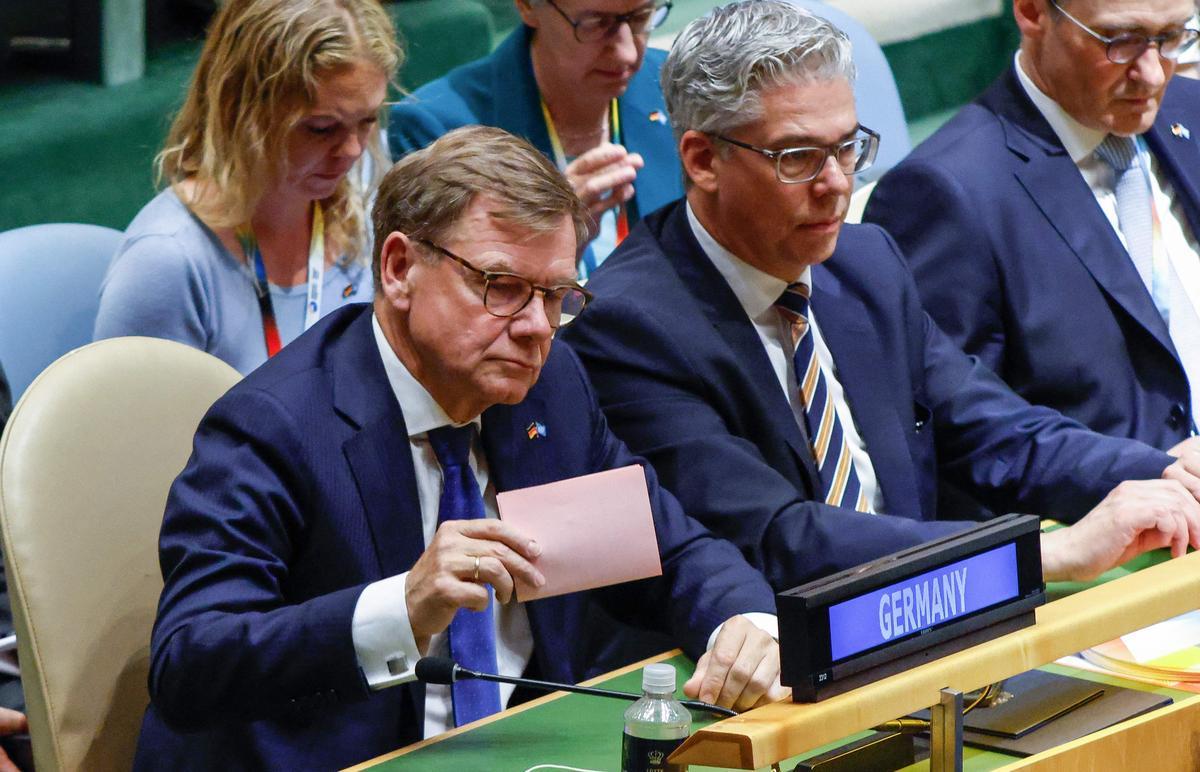
Germany failed to win a rotating seat on the UN Security Council in a Wednesday vote, with Chancellor Friedrich Merz’s bid losing to Austria and Portugal in the “Western Europe and Others” group.
“Portugal and Austria defeat Germany for seats on the UN Security Council Portugal and Austria have defeated Germany for seats on the powerful but deeply divided U”
The German foreign minister Johann Wadephul said the outcome was a “bitter defeat” and attributed it in part to Berlin’s “steadfast support for Israel,” which he suggested cost Germany key votes in the General Assembly.

Wadephul also accused the Kremlin of agitating against Berlin for its “unwavering support” of Ukraine by maneuvering to block it from the UN’s most powerful body.
In the vote, Portugal took 134 votes and Austria 131 while Germany garnered 104, falling below the 127 votes required for election.
Merz later said, “We did not achieve our goal,” and added that the result “does not alter the tasks we face at the United Nations.”
Blame, backlash, and quotes
Wadephul told reporters that “There is our firm support for Ukraine” and that “It’s no secret that Russia does not want such a voice at the Security Council,” linking Russia’s lobbying to Germany’s loss.
The Guardian reported that the opposition Greens called the result an “embarrassing defeat,” with deputy parliamentary group leader Agnieszka Brugger criticizing a failure to “underpin this bid with modern ideas.”
Alice Weidel, co-leader of the far-right Alternative für Deutschland, wrote on X that “Germany now remains without a seat on the UN Security Council,” framing the loss as evidence of national decline.
Adis Ahmetovic, foreign policy spokesman for the Social Democrats’ parliamentary group, described the vote as “not a mere mishap, but a warning sign.”
Merz congratulated Austria and Portugal and said Berlin’s commitment to the UN would remain “unwavering,” while Politico described the defeat as likely to fuel domestic criticism of Merz’s leadership claims in Europe.
What’s at stake next
The defeat leaves Germany without a seat on the UN Security Council, where the five permanent members are the United States, Russia, China, France and Britain, and where the 10 rotating members serve two-year terms.
DW said Germany was last on the Security Council in 2019 and 2020, and that the vote’s winners would take seats for the next two years, while the Guardian said the council vote also elected Austria and Portugal alongside Trinidad and Tobago and Zimbabwe.
The New Voice of Ukraine reported that Kyrgyzstan, along with Zimbabwe and Trinidad and Tobago, were also elected as nonpermanent members, replacing Pakistan, Somalia, Greece, Denmark and Panama starting Jan. 1, 2027.
Politico said the setback would likely deepen domestic criticism of Merz, particularly because he ran on a promise to restore Germany’s leadership role within Europe.
Wadephul said the result would not stop Germany from continuing to “stand by our historical responsibility” to Israel, even as the loss triggered opposition pressure on Merz and his foreign minister after the vote.
More on Europe

Thousands Protest Ivanka Trump and Jared Kushner’s Albania Luxury Resort, Targeting Edi Rama
16 sources compared
Germany Fails To Secure UN Security Council Seat, Loses To Portugal And Austria
12 sources compared

Péter Magyar Says Hungary Reached Minority Rights Deal With Kyiv, Clearing Ukraine EU Talks
25 sources compared

Hundreds of Far-Right Activists Hold Remigration Summit in Portugal With Gregory Bovino and Jared Taylor
11 sources compared