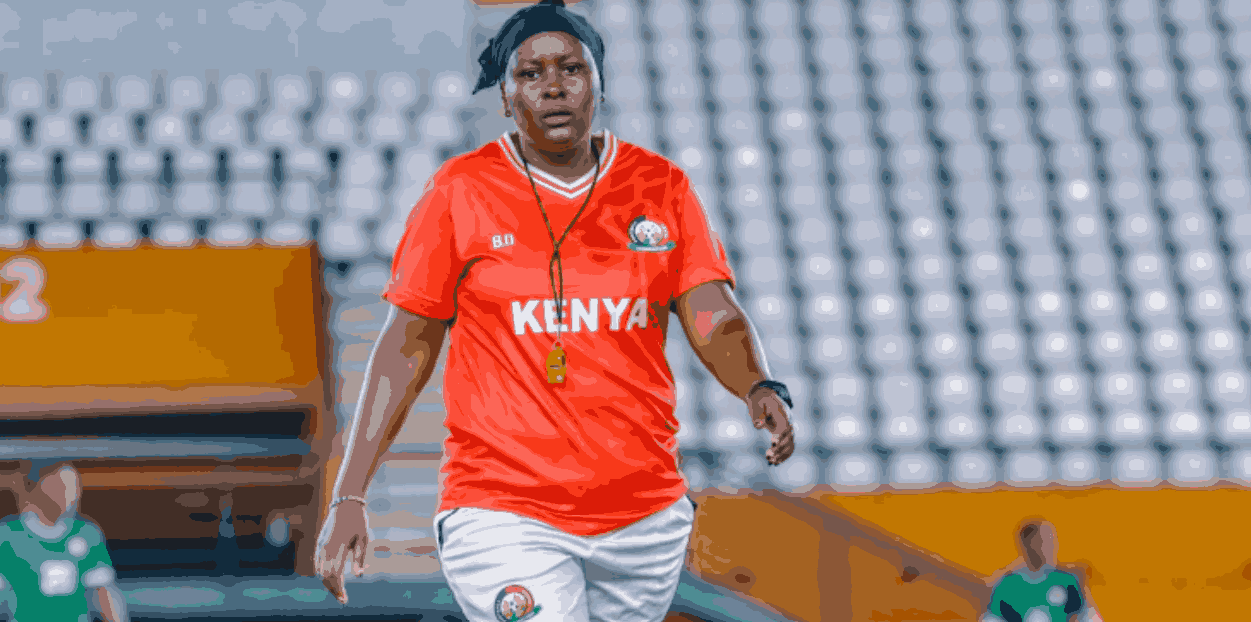
FIFA mandates female head or assistant coaches on benches for all women's teams.
Key Takeaways
- FIFA mandates female coaches on benches for women's competitions.
- Applies to youth and senior tournaments, starting with U17 and U20 World Cups.
- Some outlets report two female staff required on the bench, including a coach.
FIFA Coaching Mandate
FIFA has implemented a groundbreaking mandate requiring all teams in its women's football tournaments to include at least one female head coach or assistant coach on their benches.
The rule, passed at the FIFA Council meeting on Thursday, is not merely a recommendation but a binding requirement that sets clear minimum standards.
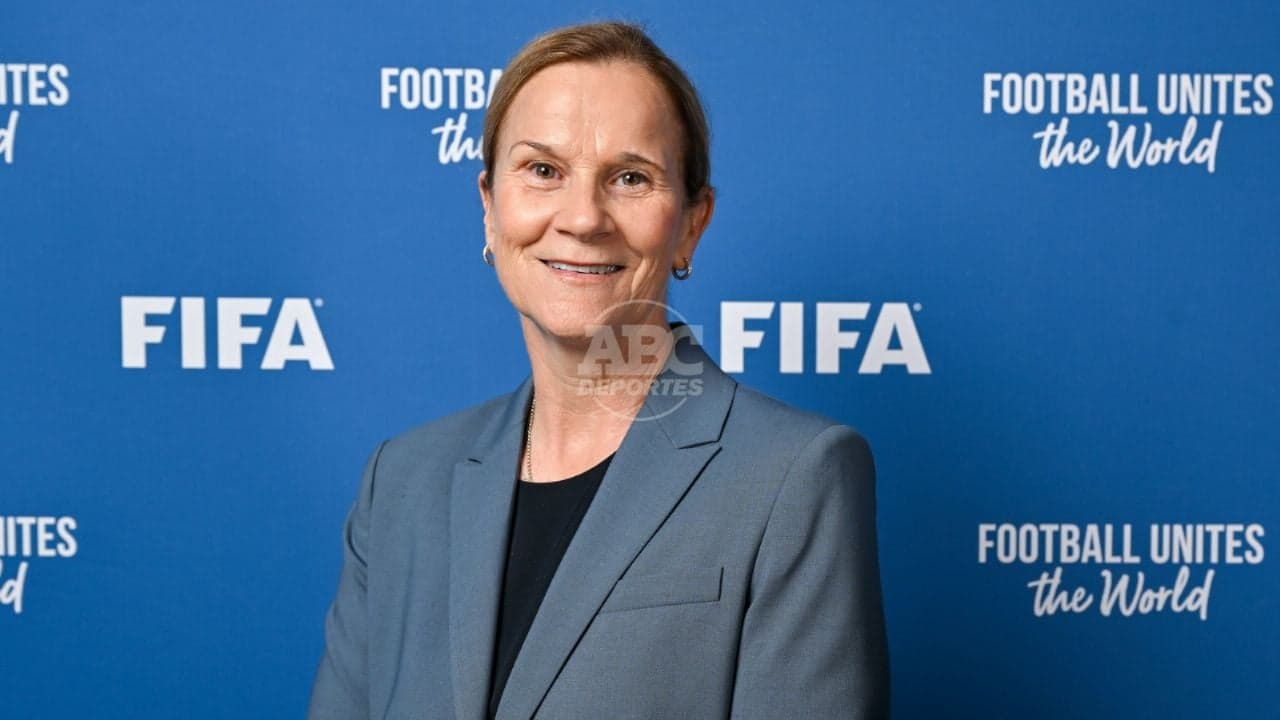
Under the new ruling, teams must have at least two female staff members seated on the bench, with at least one holding a head coach or assistant coach role.
This distinction ensures women occupy recognized coaching positions rather than merely being present in support capacities.
The regulation applies across all youth and senior tournaments, covering both club competitions and national team events.
Gender Imbalance Crisis
The mandate comes in response to a stark reality of gender imbalance in football coaching, despite the rapid growth of women's football.
At the 2023 Women's World Cup, only 12 of the 32 head coaches were women, leaving 20 squads led entirely by men.

A FIFA survey found women represented just five percent of coaches across member associations, down from seven percent in 2019.
This declining trend occurred precisely as the women's game experienced explosive growth.
The UEFA Women's Euro featured just seven female head coaches, still less than half of participating teams.
The Women's Super League has been criticized for overlooking qualified female coaches in favor of male counterparts.
Implementation Timeline
The new regulations will be implemented with immediate effect, starting with the upcoming FIFA Under-20 Women's World Cup in Poland this September.
“- Published Every team in Fifa's women's football tournaments must include at least one female head coach or assistant coach following the introduction of new regulations”
The mandate extends to the 2027 Women's World Cup in Brazil and the inaugural Women's Club World Cup in 2028.
FIFA's focus on youth tournaments is strategically significant, as these competitions shape the pipeline of future senior coaches.
Teams without a female head coach or assistant coach must appoint one before their first qualifying match.
FIFA will assist teams facing financial barriers to compliance.
The rules complement existing structures rather than force removal of qualified male coaches.
Broader Strategy
FIFA has positioned the coaching mandate as part of a broader, long-term strategy rather than a standalone solution.
FIFA chief football officer Jill Ellis described the regulations as combined with 'targeted development programmes'.

The governing body already supports 795 female coaches through its coaching scholarship program across 73 member associations.
The Elite Performance Coach Mentorship program has paired 20 experienced and emerging coaches over three years.
FIFA has introduced scholarship programs in the Women's Super League to help women acquire UEFA Pro or A licenses.
Ellis emphasized creating 'clearer pathways, expanding opportunities, and increasing the visibility for women'.
Reactions and Impact
The response to FIFA's mandate has been mixed, with some viewing it as necessary while others question if regulatory requirements alone can solve gender inequality.
“(With inputs from agencies”
Prominent female coaches have shown strong support for the initiative.

England's Sarina Wiegman, who has guided England to back-to-back European titles, has called for greater balance in coaching.
Emma Hayes described the lack of female coaches in English football as 'a massive issue'.
Other high-profile female coaches include Gemma Grainger at Norway, Casey Stoney with Canada, and Carla Ward with the Republic of Ireland.
FIFA president Gianni Infantino has acknowledged the issue publicly, stating 'Maybe we need ... more women coaches in women's teams.'
The move sends a signal to domestic leagues outside FIFA's direct jurisdiction, potentially setting standards for others to follow.
More on Sports

Online Racists Target Liverpool's Ibrahima Konate After Osimhen's Injury
13 sources compared

Head coach Benjy Taylor sues Morehouse and campus officers over on-court handcuffing
11 sources compared

Nottingham Forest beat Midtjylland on penalties to reach Europa League quarter-finals
10 sources compared

Tuchel drops Trent Alexander-Arnold from England squad for March friendlies
31 sources compared