
European Union Opens Review of Israel Association Agreement After Gaza Offensive, 17 Foreign Ministers Support
Key Takeaways
- EU opened formal review of its Israel Association Agreement after Gaza offensive
- Sanctions on settlers or Israeli actions were paused or not imposed
- Move signals a broader EU shift toward greater scrutiny of Israel
EU moves to review
The European Union has opened a formal review of its association agreement with Israel after the expansion of the military offensive in the Gaza Strip and a humanitarian aid blockade that has lasted more than two months, with 17 foreign ministers supporting the Dutch proposal.
“Con 72,1 miliardi di euro nel 2023 l’Unione europea è il più importante investitore in Israele, doppiando di fatto gli Stati Uniti”
In Brussels, EU High Representative for Foreign Affairs Kaja Kallas said, “From today’s discussions it has clearly emerged that there is a strong majority in favor of revising Article 2 of our Association Agreement with Israel,” and clarified that the European Commission will launch the review.
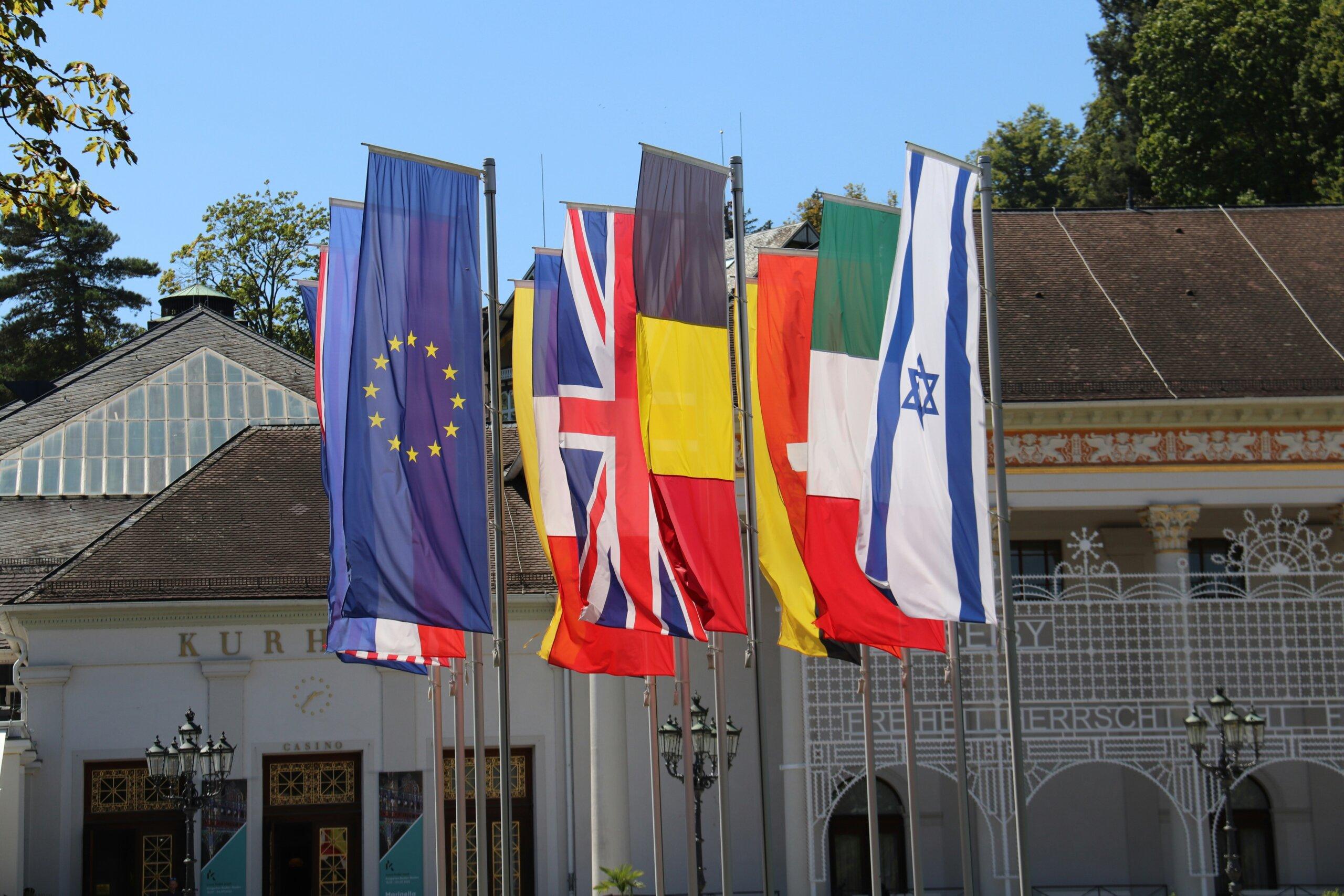
The review is aimed at determining whether Israel is violating Article 2 of the agreement, described as “a key clause that binds EU-Israel relations to respect for human rights and democratic principles.”
Kallas also reiterated the need for Israel to permit the entry of more humanitarian aid into Gaza, saying, “the need for Israel to permit the entry of more humanitarian aid into Gaza.”
The decision came on Tuesday, when “17 foreign ministers from the 27 member states supported the proposal by Dutch Minister Caspar Veldkamp,” raised at the beginning of May.
The EU’s trade relationship is central to the stakes: Euronews reports that “trade exceeding 45 billion euros a year,” and notes that “A possible suspension of the agreement would have significant consequences for both sides.”
The same Euronews report frames the moment as a shift from earlier deadlock, saying that “Already 15 months ago, Ireland and Spain had proposed reexamining the agreement, but without obtaining the support of the other member states.”
Sanctions and the veto math
Alongside the review, the EU’s internal arithmetic for sanctions has been a recurring constraint, with multiple outlets describing how unanimity and qualified-majority thresholds shape what can be adopted.
The Guardian reports that EU officials expect to revive sanctions targeting “a small number of extremist settlers” once a new Hungarian government takes office next month, saying, “Hungary’s veto was the only thing preventing the package of sanctions against violent settlers.”

The same Guardian account links the political calculus to EU leverage, quoting Martin Konečný in Brussels: “Now the discussion about leverage and pressure is back on the table,” and adding that “If you take one step, and the situation doesn’t improve, then the pressure to take the next step actually rises very quickly again.”
It also describes the voting mechanics for freezing parts of the deal underpinning EU-Israeli ties, stating that freezing all or part would require support from either Germany or Italy because it must have the backing of a “qualified majority” of at least “15 member states representing 65% of the EU’s population.”
In the Italian-language coverage, Eunews says that “Una forte maggioranza dei Paesi membri è a favore della revisione dell’articolo 2 del nostro accordo di associazione” and that “avvieranno questo esercizio,” while also noting that “Per una sospensione, anche parziale, dell’Accordo di associazione, serve un voto all’unanimità.”
That same Eunews report adds that “già oggi è bastato uno Stato membro – l’Ungheria” to block new sanctions on violent settlers in Cisgiordania.
Corriere della Sera similarly lays out that measures decided unanimously are unlikely because “unanimity will never be reached, since several states oppose them, starting with Hungary and Germany,” while qualified-majority measures require “15 countries representing 65 percent of the European population.”
Voices split across Europe
The EU review and sanctions debate has drawn sharply different reactions across member states and political blocs, with named leaders and officials using contrasting language about what the EU should do next.
“As widely expected, the European Union has already suspended the idea of imposing sanctions on the Israeli government”
Spain’s Prime Minister Pedro Sanchez urged the EU to sever its association agreement with Israel, writing on X, “The time has come for the EU to break its Association Agreement with Israel,” and adding, “But a Government that violates international law and, therefore, the principles and values of the EU cannot be our partner. No to war.”
In the same ANI report, Sanchez told supporters, “This Tuesday, the Government of Spain will take to Europe the proposal that the EU sever its association with Israel,” and the report says Netanyahu responded by accusing Spain of waging a “diplomatic war.”
The Guardian describes how Ireland, Spain and Slovenia pressed for a discussion of Israel’s human-rights obligations under its association agreement, quoting their letter to EU foreign policy chief Kaja Kallas that the EU “can no longer remain on the sidelines,” referencing “unbearable” conditions in Gaza and “escalating violence against Palestinians” in the West Bank.
On the other side of the divide, Euronews lists countries opposed to the review, including “Germany, Greece, Hungary, Italy and Lithuania,” and it separately notes that “Only Hungary vetoed” a parallel plan to impose individual sanctions on Israeli settlers.
Eunews adds that the Swedish foreign minister Maria Malmer Stenegard said, “La Svezia è amica di Israele, ma ora dobbiamo alzare ancora il tono,” and that she would push for “sanzioni europee contro alcuni ministri israeliani.”
The same Eunews report quotes the European Left group’s Marc Botenga calling for “un embargo totale sulle armi contro Israele e dell’immediata cancellazione dell’accordo di associazione Ue-Israele,” while ISPI quotes Kaja Kallas asking, “se siete d’accordo sulla diagnosi che la situazione è estremamente grave, disastrosa e insostenibile, cosa pensiamo di fare al riguardo?”
Coverage diverges on what’s next
Different outlets describe the EU’s trajectory in contrasting terms, with some emphasizing a decisive shift toward sanctions and others describing pauses, divisions, or the limited scope of what can be implemented.
The Guardian frames the week as “a bad week for Israel in Europe” and says the shifts “are likely to pave the way for long-delayed sanctions against violent settlers in the occupied West Bank,” while also pointing to the EU’s inability to translate economic weight into political influence inside Israel.
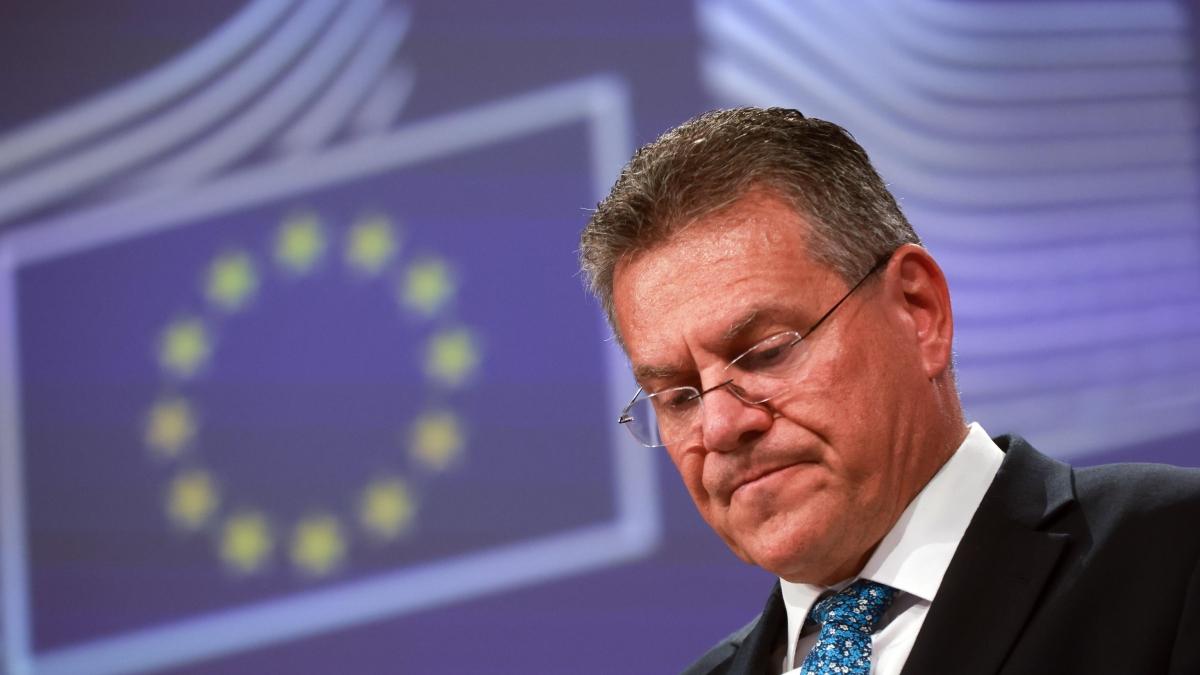
In contrast, Contropiano reports that “the European Union suspends the proposed sanctions against Israel,” quoting Kallas’s explanation that there is a “pause” because “the context has changed” with the launch of the plan to end the war in the Gaza Strip.
Corriere della Sera, meanwhile, presents a granular breakdown of what is already proposed versus what remains undecided, stating that “for the first time, the European Commission has officially proposed to the member states a series of measures,” and then specifying that measures already decided include “The halt to about 20 million euros in contracts in bilateral support.”
It also says measures to be decided by qualified majority would partially suspend trade provisions, affecting “37 percent,” while measures requiring unanimity include “asset freezes and entry bans into the EU” for Bezalel Smotrich and Itamar Ben-Gvir and sanctions against “three violent settlers” and “six organizations linked to them.”
Euronews describes the review as a formal process triggered by the Gaza offensive and aid blockade, but it also notes that “The shift in approach: from silences to diplomatic support,” and says the review “does not automatically interrupt relations.”
ISPI adds a further layer by calling the proposal “too little too late?” and warning that “le opzioni proposte sono più limitate di quelle auspicate da alcuni paesi e funzionari europei,” while also stressing that approval requires unanimity.
Economic stakes and legal pressure
Beyond diplomacy, the reporting emphasizes that EU-Israel ties are deeply economic and that legal arguments about human rights and genocide risk are being used to push for stronger action.
“Bruxelles – Gli alleati di Israele – dall’Unione europea al Regno Unito, fino ad un “frustrato” Donald Trump – sono sempre più in difficoltà di fronte ai deliberati crimini di Tel Aviv contro la popolazione civile a Gaza”
Altreconomia reports that in 2023 the EU was “il più importante investitore in Israele,” with “72,1 miliardi di euro,” and says that in 2024 “l’export verso Israele è persino cresciuto di un miliardo di euro,” despite “la distruzione di Gaza e l’occupazione illegale della Cisgiordania.”
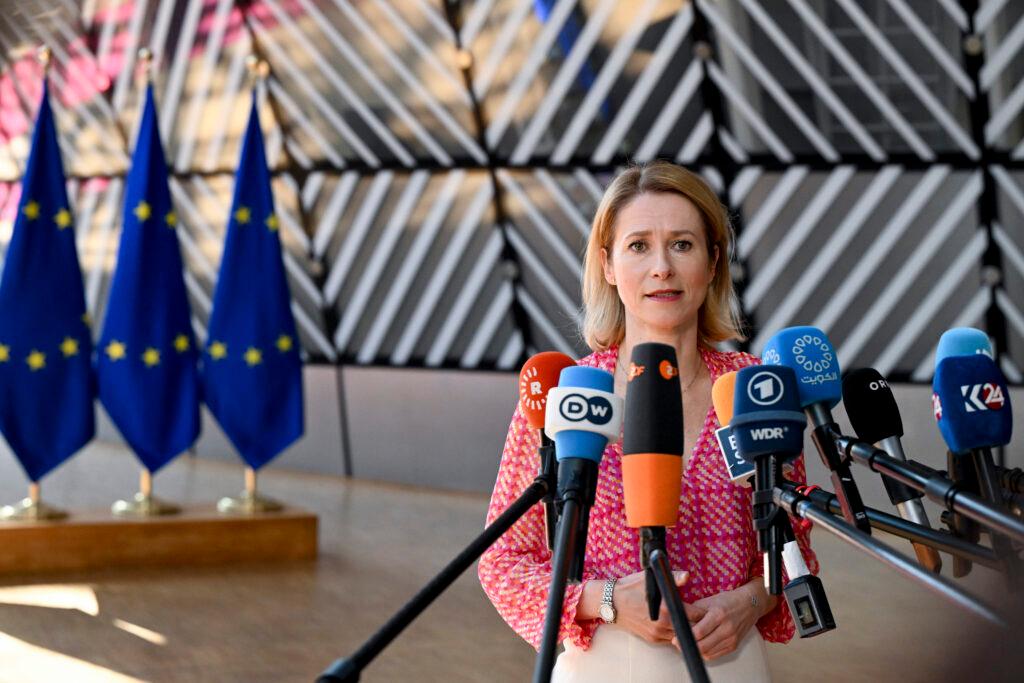
The same outlet says data from SOMO were released “il 15 luglio,” and describes the EU-Israel association agreement as a framework “dal 2000” that “lega Ue e Israele grazie a rapporti politici ed economici privilegiati.”
It quotes SOMO researcher Jasper van Teeffelen saying, “Tutti associano Israele agli Stati Uniti ma il principale sostenitore di ciò che sta avvenendo è a Bruxelles,” and adds that “Non si tratta solo di stare in silenzio e di lasciar correre, ma di sostenere economicamente, finanziariamente e politicamente il governo di Benjamin Netanyahu.”
Altreconomia also cites the UN Genocide Convention, stating that it “prevede a questo proposito l’obbligo che tutti gli Stati impieghino ogni mezzo a disposizione per prevenire il genocidio ed esercitare pressione su chi lo sta commettendo o potrebbe farlo.”
ISPI provides the legal mechanism inside the EU agreement, describing Article 2 as requiring respect for “i diritti umani e i principi democratici,” and says that if a country violates these principles the EU can suspend the agreement “in tutto o in parte.”
Euronews warns that “A possible suspension of the agreement would have significant consequences for both sides,” while Corriere della Sera notes that “there is no stop even for the sale and purchase of arms, which is not subject to tariffs.”
More on Gaza Genocide

Northern Israel Residents Shut Schools And Shops To Protest Lebanon Ceasefire
11 sources compared

EU Foreign Ministers Postpone Sanctions Against Israel Over Gaza and West Bank
11 sources compared
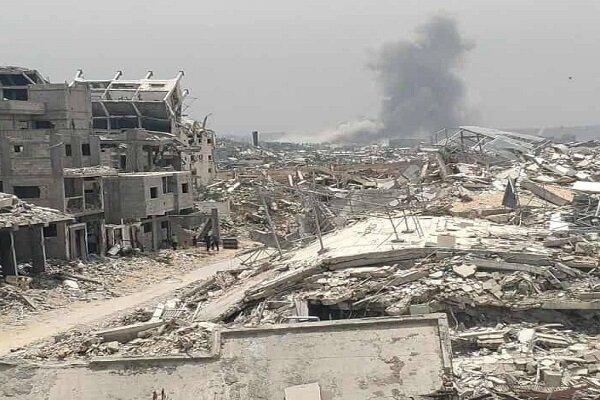
UNICEF Outraged After Israeli Forces Kill Two Water Truck Drivers in Northern Gaza
19 sources compared
Trump’s Gaza Peace Council Talks Paused After US-Iran War Breaks Out
10 sources compared