
EU and India Finalize Landmark Free Trade Deal Opening Indian Markets to EU Firms
Key Takeaways
- Negotiations concluded after nearly two decades, finalizing the India–EU free trade agreement
- Creates a market of two billion people and about 25% of global GDP
- India will open its heavily protected auto market, cutting tariffs on selected EU cars
India-EU free trade pact
India and the European Union announced they have finalised a landmark free trade agreement, a pact leaders described in high-profile terms and said would create a trade zone covering roughly two billion people and about a quarter of global GDP.
“The deal, set to cover a quarter of the global GDP, will create a free trade zone of two billion people”
Prime Minister Narendra Modi and European Commission President Ursula von der Leyen announced the deal at events linked to the India-EU summit, with Modi calling it one of India’s biggest FTAs and officials noting it will complement India’s recent pacts with the U.K. and EFTA.

Media across regions framed the agreement as a major strategic and economic step amid shifting global trade dynamics.
Trade pact tariff changes
The pact includes extensive tariff liberalisation on both sides.
Different outlets quantify the scope differently, with some reporting tariff cuts or eliminations on roughly 96–97% of EU goods by value while others describe over 90% of goods seeing duty cuts.

Indian sources highlighted phased rollouts for many items.
Frequently cited specific changes include large reductions in car duties (phased down substantially toward 10% in some drafts), deep cuts on wines and spirits, and broad removals for machinery, chemicals and pharmaceuticals, sectors that EU exporters expect to benefit from heavily.
Trade deal sector impacts
Autos, textiles and labour-intensive Indian exports emerge as focal sectors.
“India and the European Union have finalized a landmark trade agreement that will cover a quarter of the world’s economy, Prime Minister Narendra Modi announced on Tuesday”
Reports note that European cars will gain much greater access, with phased cuts to car duties toward 10% and quotas mentioned in some accounts.
India should secure concessions for garments, gems, jewellery and pharmaceuticals.
Indian media and industry watchers flagged domestic concerns, particularly for carmakers and certain manufacturers.
EU industry groups and officials emphasised tariff savings and expanded market access.
Negotiations and partnership overview
Negotiations and the wider geopolitical backdrop are a recurring theme.
Most pieces note the talks began in 2007, stalled in 2013 and were revived in 2022, with recent global trade tensions — such as U.S. tariff moves and concerns about China’s manufacturing dominance — accelerating momentum.

The agreement was paired with broader cooperation initiatives in security and defence and a proposed mobility framework for students and professionals in some reports, signalling a political as well as economic partnership.
Deal timing and implementation
Reports differ on next steps and timing, but several outlets say the deal will be formally signed only after routine legal vetting and approvals by EU institutions and Indian procedures.
“India and the EU see a recently negotiated trade deal as an opportunity to open new markets, boost technology and investment flows, and create millions of jobs in India”
Some sources cite a 5-6 month legal review, while others predict the agreement will enter into force within a year or in early 2027.

Observers note that implementation will require parliamentary and institutional clearances on both sides before tariff schedules and mobility measures take effect.
More on India

Pakistan Attacks Kabul Omid Hospital, Killing Over 400, Taliban Says
12 sources compared

Pakistan Airstrike Kills Hundreds at Kabul Drug Rehabilitation Center
41 sources compared
Afghanistan Says Pakistan Strikes Kabul Hospital, Killing 400
77 sources compared
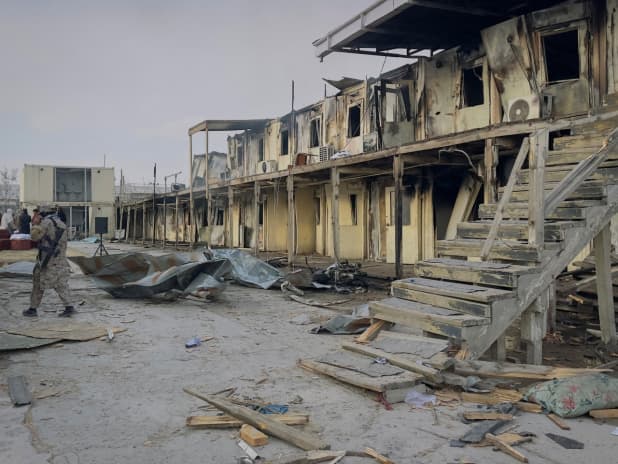
Afghanistan Says Pakistan Killed 400 at Kabul Hospital
244 sources compared