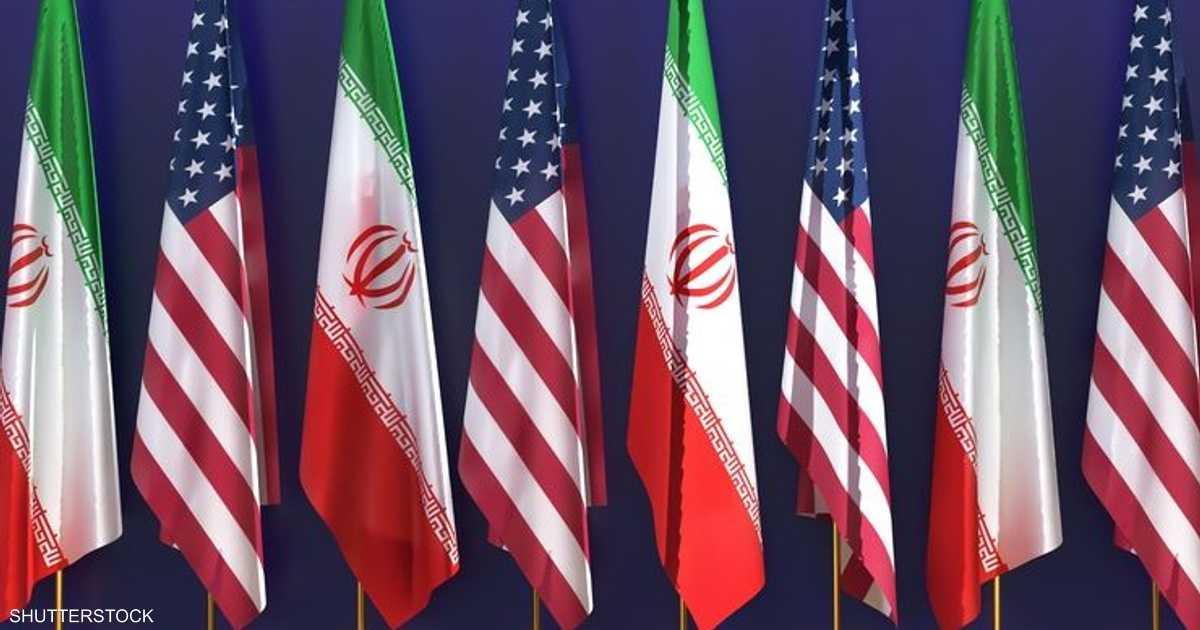
Donald Trump Extends U.S. Ceasefire With Iran, Orders Naval Blockade to Continue
Key Takeaways
- Trump extended the Iran ceasefire while the U.S. continues to blockade Iranian ports.
- Extension occurred at Pakistan's request amid mediation to restart talks.
- Extension pending Tehran's proposal to end the war, extending until negotiations conclude.
Ceasefire extended, blockade stays
President Donald Trump announced on Tuesday afternoon that he would extend the ceasefire with Iran, which was due to expire at 3:30 a.m. Wednesday in Tehran, until Iran presents a proposal and negotiations are concluded.
“United States President Donald Trump has announced an extension to the ceasefire with Iran, saying that the US military will hold off its planned attack to allow more time for Tehran to put forward a proposal to end the war”
In a post on Truth Social, Trump said, “Based on the fact that the government of Iran is seriously fragmented, which is not unexpected,” and that “at the request of Marshal Asim Munir and Prime Minister Shehbaz Sharif of Pakistan, we were asked to suspend our attack on Iran until its leaders can present a unified proposal.”

Trump also directed that the U.S. would maintain the naval blockade on Iran, describing it as “an act of war” by Iranian authorities, and wrote, “I have therefore directed our Armed Forces will maintain the blockade and remain ready and prepared, and thus I will extend the ceasefire until the Iranian proposal is presented and the discussions are concluded.”
The New York Times reported that Trump said the extended cease-fire “will stay in effect until Iran’s “leaders and representatives can come up with a unified proposal.”
Even as the truce was extended, multiple outlets emphasized that the U.S. blockade would continue, with the New York Times stating, “the U.S. blockade on ships heading to and from Iranian ports would continue.”
The BBC similarly said Trump would extend the ceasefire until Tehran presents a “unified proposal,” while the U.S. would continue to blockade Iran’s ports.
How the talks stalled
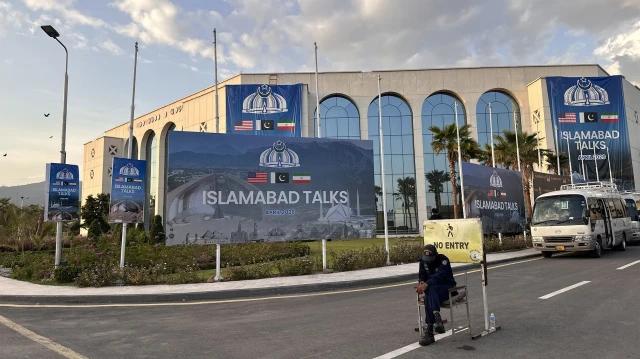
The ceasefire extension came after a second round of negotiations between Iran and the U.S. in Islamabad remained suspended, with the American vice president, J. D. Vance, postponing his trip to Pakistan.
Folha de S.Paulo said the decision was related to “the lack of progress in American demands” and “the uncertainty about whether the Iranian delegation would go to Islamabad,” after Iranian authorities did not confirm participation.

The New York Times reported that Vance’s trip to Pakistan was put on hold because, according to a U.S. official, “Tehran had failed to respond to American positions.”
France 24 described the same diplomatic limbo, saying Pakistan had planned to host a second round of talks but the White House put on hold Vance’s planned trip to Islamabad as Iran rebuffed efforts to restart negotiations.
BBC reporting said Air Force Two had been ready to fly Vance to Islamabad for another round of peace talks, but “Several hours later, Air Force Two hadn't taken off and the negotiations were postponed.”
In the middle of the diplomatic uncertainty, Trump had told CNBC earlier that he expected to bomb if Iran did not agree to U.S. demands, saying, “I expect to be bombing,” and that “The military are itching to act.”
Iran and U.S. trade threats
Iran’s response to the extension was dismissive, with Mahdi Mohammadi, an adviser to Mohammad Bagher Ghalibaf, writing that Trump’s move “means nothing” and that “The losing side cannot set the terms.”
“Daniel BushWashington correspondent Tuesday began as a frantic day of diplomacy in Washington, with Air Force Two ready to fly Vice President JD Vance to Islamabad for another round of peace talks between the US and Iran”
The New York Times quoted Mohammadi’s social media post: “The extension of the cease-fire by Donald Trump has no meaning,” and added that he equated the U.S. naval blockade with bombing.
CNN likewise reported that an Iranian senior adviser said the extension “means nothing,” and that Tehran should respond militarily, while earlier Iran’s foreign minister had called the blockade an “act of war” and a violation of the ceasefire.
The New York Times also recorded that Iran’s foreign minister, Abbas Araghchi, called the blockade “an act of war.”
In the same period, Trump’s earlier posture remained visible in the reporting, including his CNBC comments that he expected to bomb and that “the military are raring to go.”
AP added a separate warning from Iran’s side, reporting that “a senior Iranian commander warned neighboring Arab countries to “say goodbye to oil production in the Middle East” if they allow the U.S. to resume attacking Iran from their territory.”
Different outlets, different emphases
While all the outlets described the ceasefire extension and the continued blockade, they framed the story through different focal points: diplomacy, military readiness, or energy market impacts.
The New York Times emphasized uncertainty around talks and quoted Mohammadi’s dismissal, while also noting that “many sticking points remain, chiefly on Iran’s nuclear programand on the Strait of Hormuz.”

BBC reporting foregrounded the operational and market angle, stating that “Global oil prices fluctuated in early Asian trading” and giving Brent and West Texas Intermediate figures, including “Brent crude dipped by 0.2% to $98.32” and “West Texas Intermediate was down by 0.3% at $89.41.”
France 24 highlighted the diplomatic process and the lack of an immediate Iranian response, saying “Iran has not yet responded to Trump's announcement of the ceasefire extension” and quoting Iran’s Foreign Ministry spokesman Esmail Baghaei that there has been “no final decision.”
The Guardian, by contrast, focused on the White House deliberations and the rationale for keeping pressure, describing a decision to “keep up the pressure on Iran by maintaining the blockade.”
AP also blended diplomacy with broader regional developments, including the scale of deaths across multiple fronts, stating “Since the war started, fighting has killed at least 3,375 people in Iran and more than 2,290 in Lebanon.”
What comes next, and why it matters
The stakes described across the coverage centered on whether negotiations resume and whether the blockade and shipping disruptions continue to shape the conflict’s trajectory.
“President Donald Trump on Tuesday said he thinks the U”
The New York Times said the threat of Iranian attacks had “throttled shipping traffic through the strait,” and that “the U.S. Navysaysit has forced 28 ships to turn around.”

Folha de S.Paulo reported that Iran blocked the Hormuz Strait to all ships except its own, and that it had announced it would reopen the passage but reversed that decision on Saturday (the 18th), leaving the strait closed and depriving the world of “the 20 million barrels of oil that normally pass through it every day.”
The same Folha de S.Paulo account said the U.S. blockade would continue even as negotiations proceed, and it described the U.S. approach to an Iranian tanker in international waters, with the U.S. military saying they approached the tanker Tifani “without incident.”
Al Jazeera added that the extension was open-ended from the U.S. side, noting Trump’s statement “Without a specific deadline,” and it reported that Iran did not issue an immediate response while semi-official Tasnim said Tehran’s position would be “officially announced later.”
The international diplomatic dimension also mattered in the reporting, with the New York Times quoting UN Secretary-General António Guterres welcoming the extension as “an important step toward de-escalation and creating critical space for diplomacy and confidence-building between Iran and the United States.”
More on Iran
Iran Fires on Two Ships in Strait of Hormuz After Trump Extends Ceasefire
19 sources compared

Iran’s Revolutionary Guard Corps Attacks Epaminondas in Strait of Hormuz Despite U.S. Ceasefire Extension
11 sources compared
Donald Trump Extends Iran Ceasefire Indefinitely, Keeps U.S. Blockade in Strait of Hormuz
18 sources compared
Donald Trump Extends U.S. Ceasefire With Iran, Keeps Blockade of Iranian Ports
12 sources compared