
Dolores Huerta accuses César Chávez of sexual abuse
Key Takeaways
- Dolores Huerta accuses César Chávez of sexual abuse, including two pregnancies.
- New York Times investigation corroborates Huerta's account and other women allege abuse.
- Authorities move to rename César Chávez Day and remove his name from landmarks.
Allegations Revealed
A recent New York Times investigation has revealed disturbing sexual abuse allegations against revered Latino civil rights leader César Chávez.
“The second time I was forced, against my will, and in an environment where I felt trapped,” Huerta said”
His longtime ally and co-founder of the United Farm Workers, Dolores Huerta, came forward as one of the survivors.
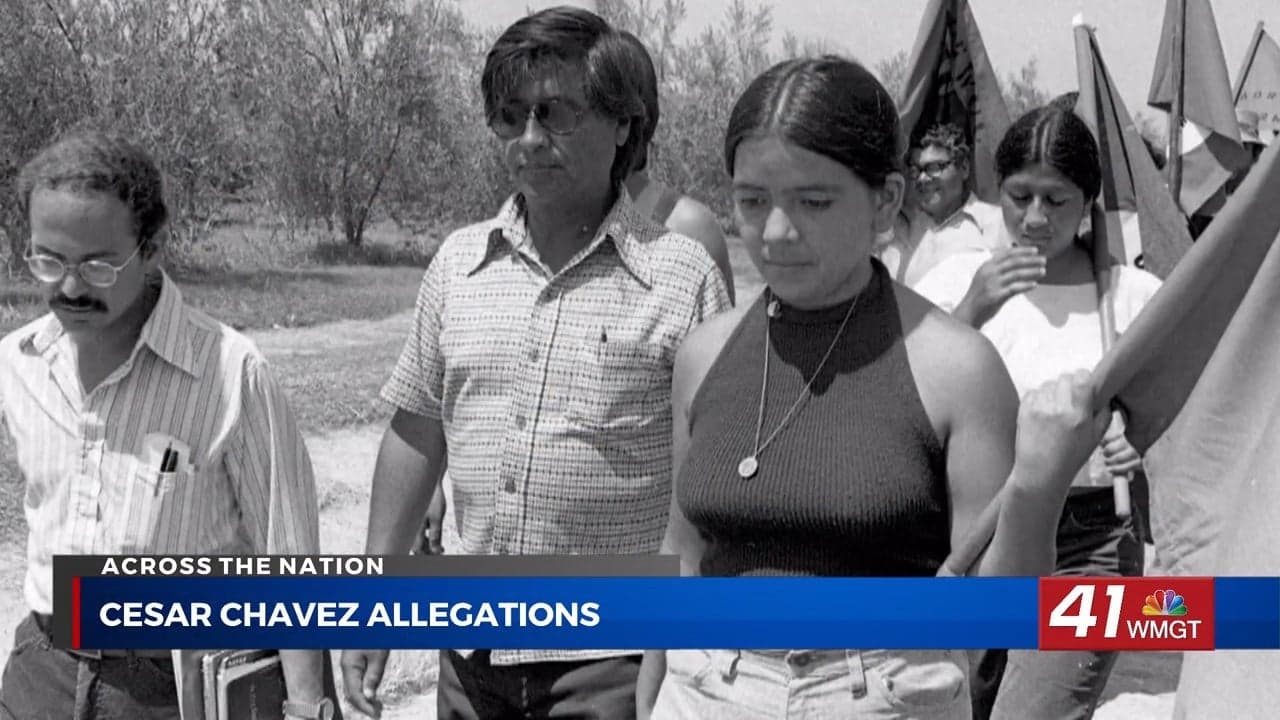
The investigation was based on interviews with more than 60 people and review of documents, emails, and internal recordings.
It uncovered a pattern of alleged inappropriate sexual conduct within the movement Chávez led for decades.
Huerta, now 95, made the shocking revelation that she was sexually assaulted by the union leader in the 1960s.
This was an episode she had never publicly disclosed until now.
The allegations have sent shockwaves through Latino communities and civil rights circles.
They forced a painful reassessment of Chávez's legacy as one of America's most celebrated labor rights champions.
Abuse Details
Huerta detailed two separate sexual encounters with Chávez that resulted in pregnancies, which she kept secret for 60 years.
The first incident occurred in August 1960 during a work trip to San Juan Capistrano, where Huerta described feeling pressured to have sex with Chávez in a hotel room.

'I was manipulated and pressured into having sex with him, and I didn't feel I could say no because he was someone that I admired, my boss and the leader of the movement I had already devoted years of my life to,' Huerta wrote in her statement.
The second incident came in 1966 in Delano, California, when Chávez drove her to a remote vineyard, parked, and raped her inside the vehicle.
Huerta explained that she decided not to report the abuses at the time out of fear of retaliation—both external, due to hostility toward the movement, and internal, not knowing whether she would be believed.
She arranged for both children to be raised by other families, only revealing the truth recently.
Institutional Response
The allegations have triggered an immediate and widespread institutional response, with organizations that had long celebrated Chávez's legacy quickly distancing themselves from the labor leader.
The United Farm Workers union, which Chávez co-founded, announced it would not participate in César Chávez Day celebrations.
They called the allegations incompatible with the movement's core values of justice and empowerment.
Teresa Romero, president of the UFW, stated: 'We have in one hand César Chavez, the man who committed horrible acts that we're not going to justify, that we don't condone.'
She continued: 'On the other hand, we have César Chavez, the organizer who brought thousands and thousands of people together to be able to work for farm workers, and improve their lives and working conditions.'
The César Chávez Foundation also pledged support for the labor leader's victims.
They said—with the Chávez family's support—the organization would figure out its identity going forward.
Political Response
Political leaders across the country have reacted swiftly to the allegations, with many calling for the removal of Chávez's name from public spaces and holidays.
California Gov. Gavin Newsom announced support for a proposal to rename César Chávez Day as Farmworkers Day.

L.A. Mayor Karen Bass announced plans to abandon the holiday honoring Chávez's birthday and begin renaming streets, parks, and other city property bearing his name.
'Usually, when we do these signings, it's for something that we're celebrating. This is not a celebration,' Bass said.
'This a change that is fundamental, that all of us feel is important for us to do, because moving forward, this is about honoring the men and women and children who toil every day in our fields.'
Texas Gov. Greg Abbott said his state will not observe the César Chávez Day holiday and will urge the state Legislature to remove it altogether.
New Mexico Sen. Ben Ray Luján was more direct, stating: 'His name should be removed from landmarks, institutions and honors.'
Movement vs Individual
The controversy has sparked intense debate within Latino communities about how to handle the painful contradiction between Chávez's abusive behavior and his contributions to the farmworker movement.
“(AP Video by Monica Wise”
Latino civil rights leaders have emphasized that the movement was built by thousands of people, not just one individual.

'César's actions do not diminish the permanent improvements achieved for farmworkers with the help of thousands of people,' Huerta said in her statement.
'The farmworker movement has always been bigger and far more important than any one individual.'
The League of United Latin American Citizens released a statement condemning any form of sexual violence.
They stated that 'no individual, regardless of stature or legacy, is above accountability when it comes to protecting and upholding the dignity of others.'
Voto Latino similarly noted that while Chávez's actions are inexcusable, they do not erase the work done by thousands of women and men who built the farmworker movement.
More on Crime

Catalonia's regional police say Gracey's body found in Barcelona, death likely an accident.
20 sources compared

James Gracey Dies in Barcelona; Police Say Accident, Footage Shows He Fell Into Sea
98 sources compared

Epstein manipulated Norway's Crown Princess Mette-Marit
11 sources compared
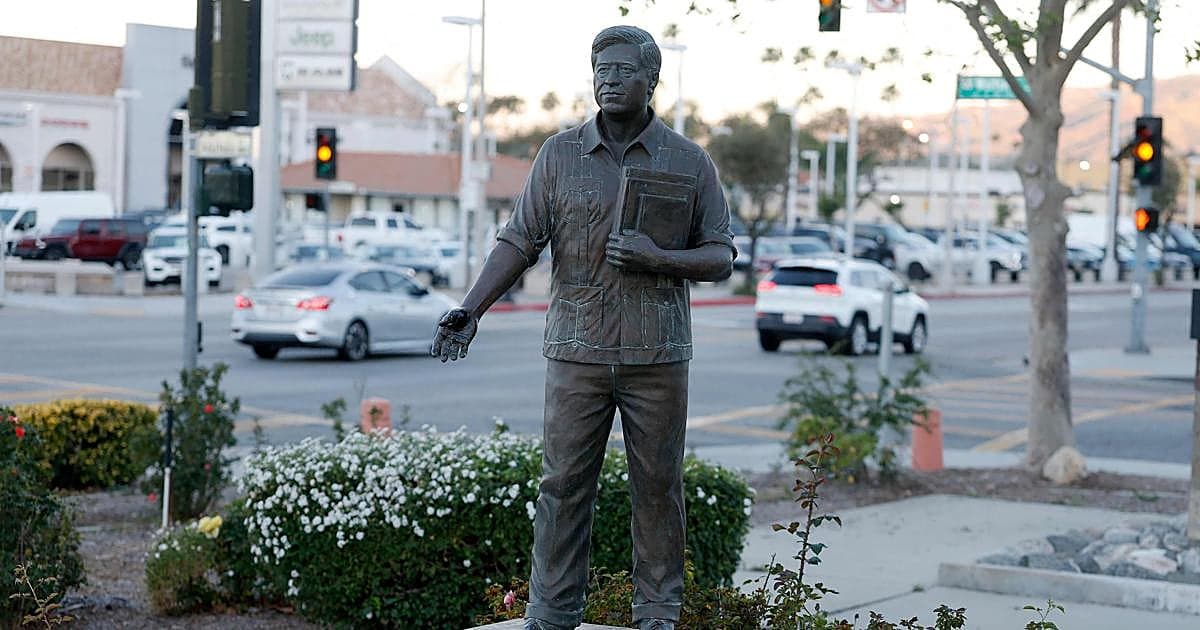
Cesar Chavez Sexually Abused Girls, According to New York Times Reports
67 sources compared