
Cuba’s Power Grid Collapse Cuts Electricity From Guantánamo to Ciego de Ávila, Sparks Havana Protests
Key Takeaways
- Eastern Cuba's power grid collapsed, causing widespread blackouts across multiple provinces.
- Oil reserves reportedly exhausted, worsening outages and triggering protests in Havana.
- Protests erupted in Havana and Morón, including vandalism of a Communist Party building.
Grid collapse and protests
Cuba’s national energy grid suffered a major failure early Thursday, severing power to the island’s eastern provinces from Guantánamo to Ciego de Ávila as residents in Havana faced ongoing blackouts.
“Cuba: power outages fuel popular anger Nighttime protests are multiplying across the island, fed by power outages and the rapid deterioration of living conditions”
The state-run Electric Union said crews were working to restore power but did not give an estimate for how long it would take, while power outages in Havana stretched to 24 consecutive hours on Thursday.
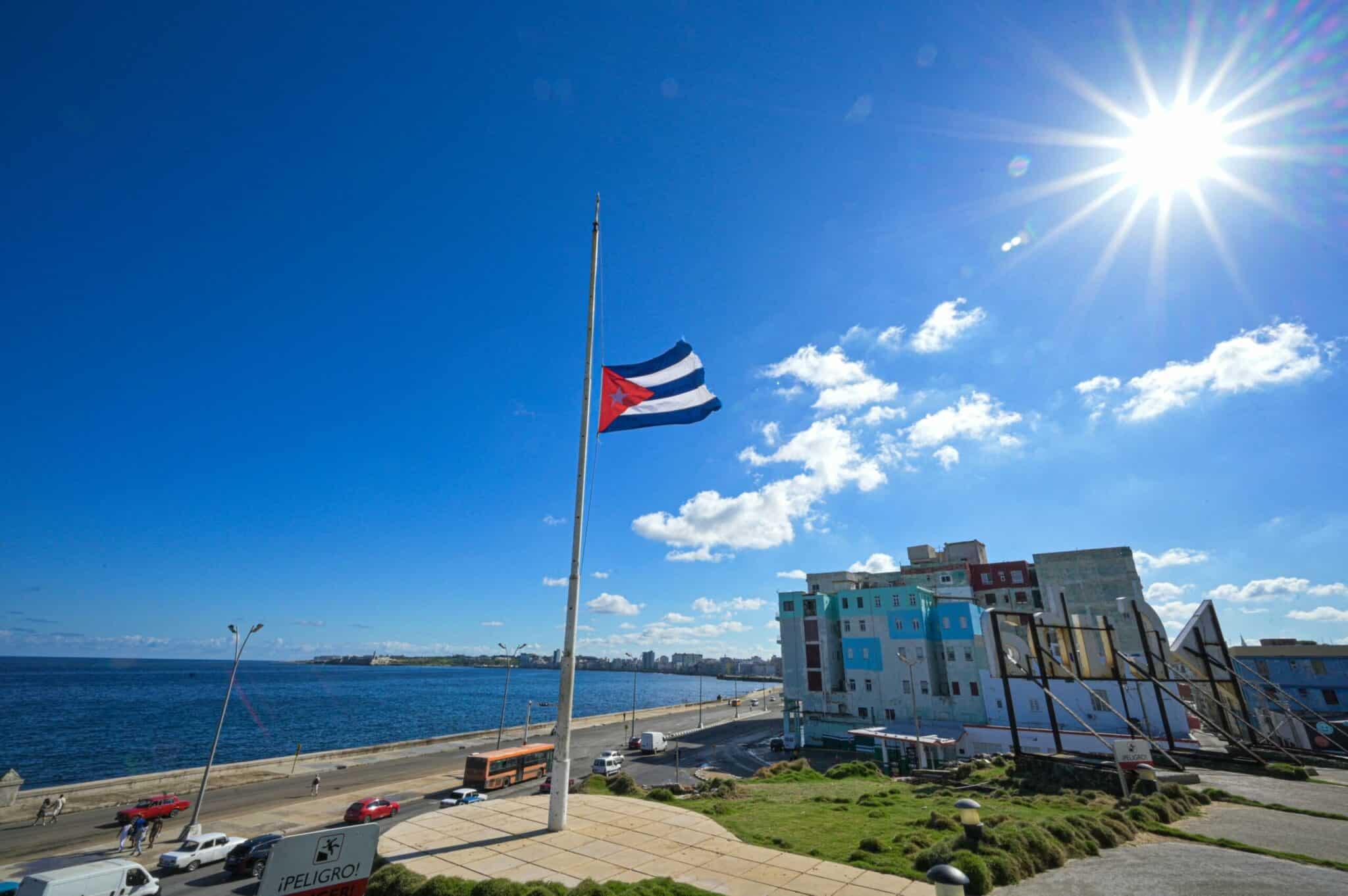
Cuban President Miguel Díaz-Canel had described the energy situation as "tense" the previous day after supplies of oil delivered by a Russian vessel in late March ran out.
Energy and Mines Minister Vicente de la O Levy appeared on Cuban television to describe the energy situation as "critical" as residents protested by banging pots and pans and setting fire to trash cans on Wednesday evening.
Cuba produces barely 40% of the fuel it needs to power its economy, and Russia announced plans to send a second fuel ship to Cuba in early April.
Aid offer and blame
As Cuba’s power crisis worsened, CIA director John Ratcliffe met his Cuban counterpart at the interior ministry in Havana, after the US renewed an offer of $100m (£74m) of aid to ease the effects of its oil blockade.
A CIA official told CBS News that the US is "prepared to seriously engage on economic and security issues, but only if Cuba makes fundamental changes," while the Cuban statement said the meeting was an attempt to improve dialogue and that Havana was told it was not a threat to US national security.
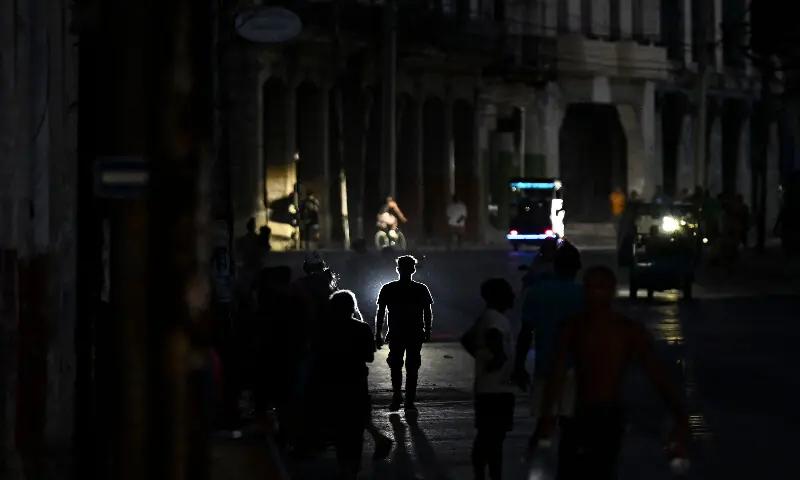
Cuban President Miguel Diaz-Canel said instead of offering aid, conditions could be eased faster if the US lifted its blockade, and he urged Washington to end its embargo instead of offering aid as blackouts worsened on Thursday.
Energy Minister Vicente de la O Levy told state television that oil reserves sent by Russia had "run out," and he said the impact of the blockade was causing Cuba "significant harm" because it was still not receiving fuel.
The US state department said the decision rested with the Cuban regime "to accept our offer of assistance or deny critical life-saving aid" and added that aid would have to be distributed "in coordination with the Catholic Church".
Fuel shortages and stakes
Cuba’s energy minister said the country had completely run out of diesel and fuel oil, with Vicente de la O Levy telling state media, "We have absolutely no fuel [oil] and absolutely no diesel," as protests erupted across Havana.
“Cuba has been hit by worsening power outages after the island’s communist government said fuel reserves had run out, as rare protests erupted in neighbourhoods around the capital, Havana”
Rodolfo Alonso, a resident of the Havana neighbourhood of Playa, told Reuters, "We started banging pots to see if they would give us just three hours of electricity. That’s all we want."
Data compiled by AFP showed prolonged blackouts and record generation shortfalls, with 65 percent of Cuban territory enduring simultaneous blackouts on Tuesday and some areas of Havana enduring outages lasting more than 19 hours a day.
Cuba’s electricity generation relies on eight ageing thermoelectric plants, several operating for over 40 years, and the grid instability reduced efficiency and output even as Cuba installed 1,300 megawatts of solar power over the past two years.
The US blockade and sanctions targeting oil supplies were blamed for the crisis, while the UN called Trump’s fuel blockade unlawful and said it obstructed the "Cuban people’s right to development while undermining their rights to food, education, health and water and sanitation".
More on South America

Abelardo De La Espriella Faces Iván Cepeda in Colombia June 21 Runoff
20 sources compared

Colombia Voters Face May 31, 2026 Election Amid Armed Group Territorial Control Warnings
15 sources compared

Marco Rubio Pushes Venezuelan Crude Exports to India Amid Strait of Hormuz Disruption
10 sources compared
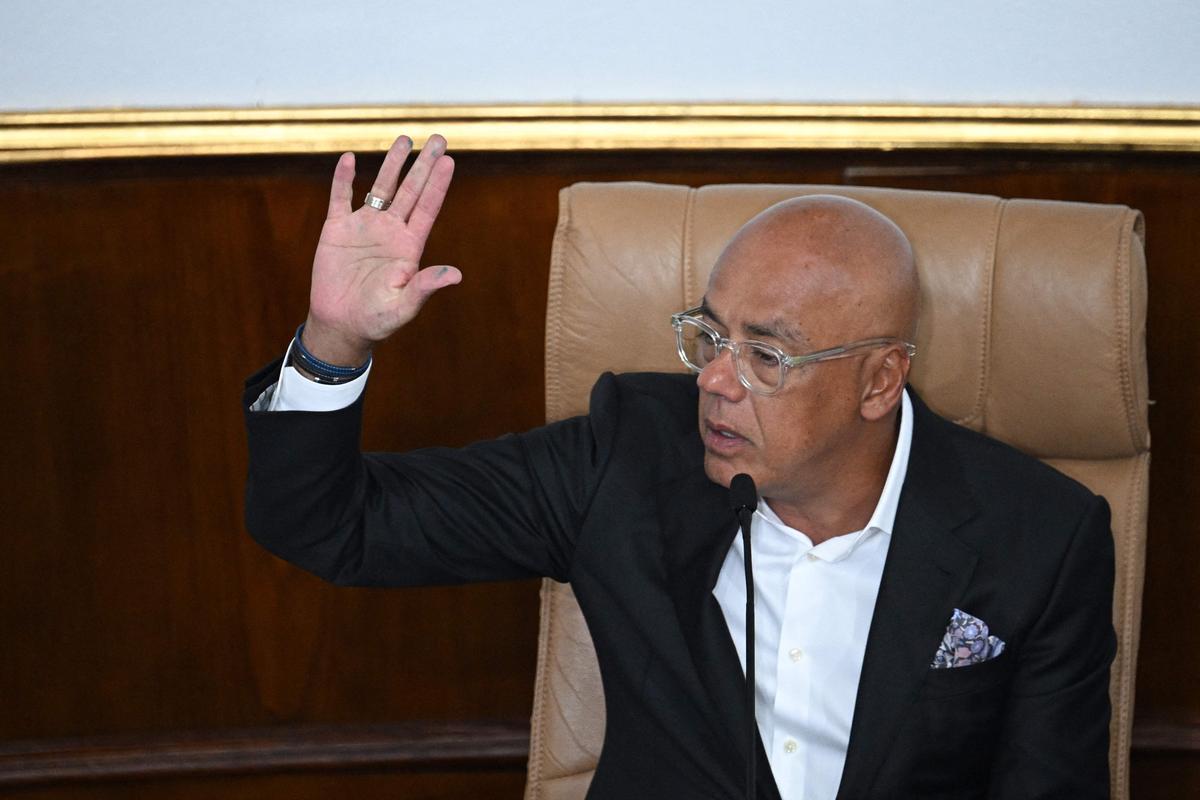
Delcy Rodríguez Announces General Amnesty Law for Venezuela’s Political Prisoners Since 1999
10 sources compared