
Cameroonian Police Detain Four Journalists, Beat AP Reporter Covering Trump Administration Deportations
Key Takeaways
- Cameroonian police detained four journalists at a state-run compound in Yaoundé.
- An Associated Press reporter said he was beaten during the detention.
- They were reporting on a previously undisclosed U.S. deportation program sending migrants to Cameroon.
Journalists detained in Cameroon
Cameroonian authorities detained four journalists — three working for the Associated Press and one other — while they reported at a state-run compound in Yaoundé that holds migrants deported from the United States, according to one of the detained reporters and lawyers representing the deportees.
“Published: Feb 19, 2026 05:00 am Journalists investigating President Donald Trump’s migrant deportation program in Cameroon were detained this week, with one reporter saying he was beaten during the incident”
The Washington Post reported that the four journalists were detained Tuesday in Cameroon while reporting at a facility holding migrants deported under the Trump administration, citing one of the detained reporters and two lawyers representing the deportees.
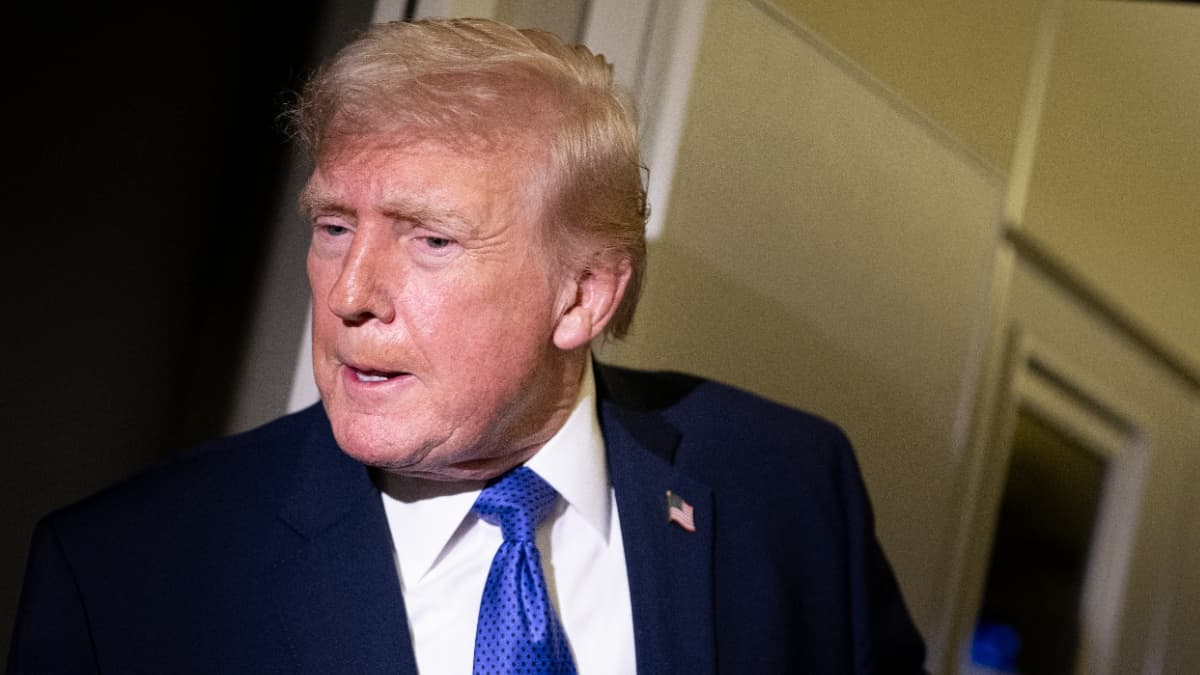
The lawyers said the migrants being sent to Cameroon by the U.S. include people who originated in other countries.
AP freelancers were among those detained.
Attack of the Fanboy framed the incident as part of scrutiny of President Donald Trump’s migrant deportation program in Cameroon.
That outlet said four journalists — including freelance reporter Randy Joe Sa’ah — and a lawyer, Joseph Awah Fru, were seized while interviewing migrants at the Yaoundé compound and that one reporter said he was beaten.
Latin Times reported that Cameroon’s Justice Ministry did not respond to requests for comment after the Yaoundé compound was identified as a detention site for migrants deported from the United States, including people who are not Cameroonian citizens.
Deportations and legal protections
Reports from the three outlets converge on one point: many people held at the compound were deported from the U.S., are not Cameroonian nationals, and some had legal protections in U.S. courts.
The Washington Post quotes lawyers saying "the migrants being sent to Cameroon by the U.S. include people who originated in other countries."
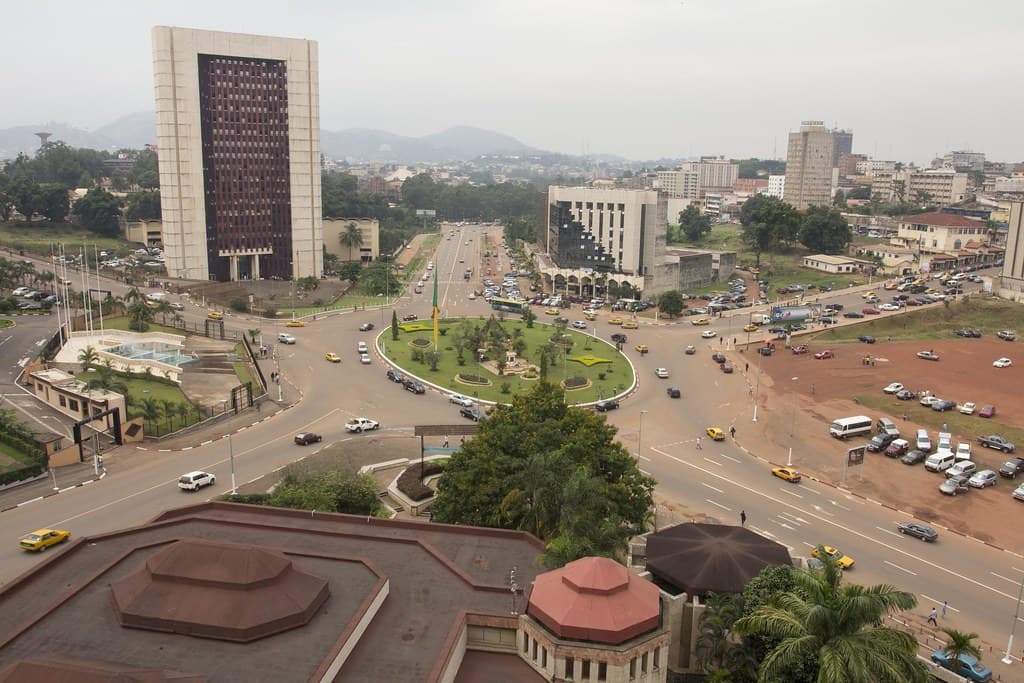
Attack of the Fanboy similarly states "none of those detained there are Cameroonian citizens, and many had U.S. court protections against return because they face possible persecution in their home countries."
Latin Times reports that "government documents and lawyers say many of those deported had U.S. court-issued protection orders barring removal to their home countries because they face possible persecution," and that lawyers called deportations of third-country nationals a legal "loophole."
Journalist detentions in Yaoundé
Accounts differ in how they portray the treatment of journalists and a lawyer at the scene.
“Four journalists, including three working for the Associated Press, were detained in Cameroon on Tuesday while reporting from a facility where migrants deported by the Trump administration are held, according to one of the detained journalists and two lawyers advocating for the deportees”
Attack of the Fanboy reports that "Four journalists — including freelance reporter Randy Joe Sa’ah — and a lawyer, Joseph Awah Fru, were seized while interviewing migrants at a state-run detention compound in Yaoundé; one reporter said he was beaten," attributing the allegation to a reporter.
The Washington Post confirms the detention of AP freelancers and other journalists, stating "AP freelancers were among those detained."
Latin Times does not repeat the beating allegation in the provided snippet but focuses on the compound's identification as a detention site and the lack of comment from Cameroon's Justice Ministry.
Migrant deportation reporting
Attack of the Fanboy frames the story explicitly as an inquiry into "President Donald Trump’s migrant deportation program."
The Washington Post situates the facility as holding migrants "deported under the Trump administration."
Latin Times supplies additional policy details beyond the immediate detention incident, reporting that a White House official "confirmed a second flight," that the State Department declined to comment on diplomatic communications, and that DHS said it is "applying the law as written" and that third-country agreements are vital to national security.
Latin Times also reports that "Documents show the U.S. has pursued dozens of such agreements, spending at least $40 million to remove roughly 300 migrants to countries other than their own, with some governments receiving payments — prompting concerns about secrecy and 'shady deals.'"
Journalists detained in Cameroon
Taken together, the three sources present a consistent core: journalists were detained at a Cameroonian compound holding migrants deported from the United States, and some individuals there are reportedly third‑country nationals or had U.S. court protections, while the accounts differ in emphasis and detail.
“An Associated Press reporter was beaten by police and detained along with three other journalists Tuesday inCameroonwhile reporting ona previously undisclosed U”
Washington Post (Western Mainstream) focuses on the detention of AP journalists and the lawyers' claims about migrants' origins.
Attack of the Fanboy (Other) foregrounds investigative scrutiny of "President Donald Trump’s migrant deportation program," names a freelance reporter and a lawyer allegedly seized, and reports an allegation that a reporter was beaten.
Latin Times (Latin American) provides the most policy and legal detail in the snippets, including references to U.S. payments, court orders, and the lack of comment from Cameroonian authorities, and characterizes some deportations as a legal "loophole."
Each paragraph above cites those sources directly.
Because the snippets differ in detail and tone, the reporting leaves open questions about the full sequence of events, the scope of U.S. agreements with third countries, and follow-up from Cameroonian officials.
More on Africa
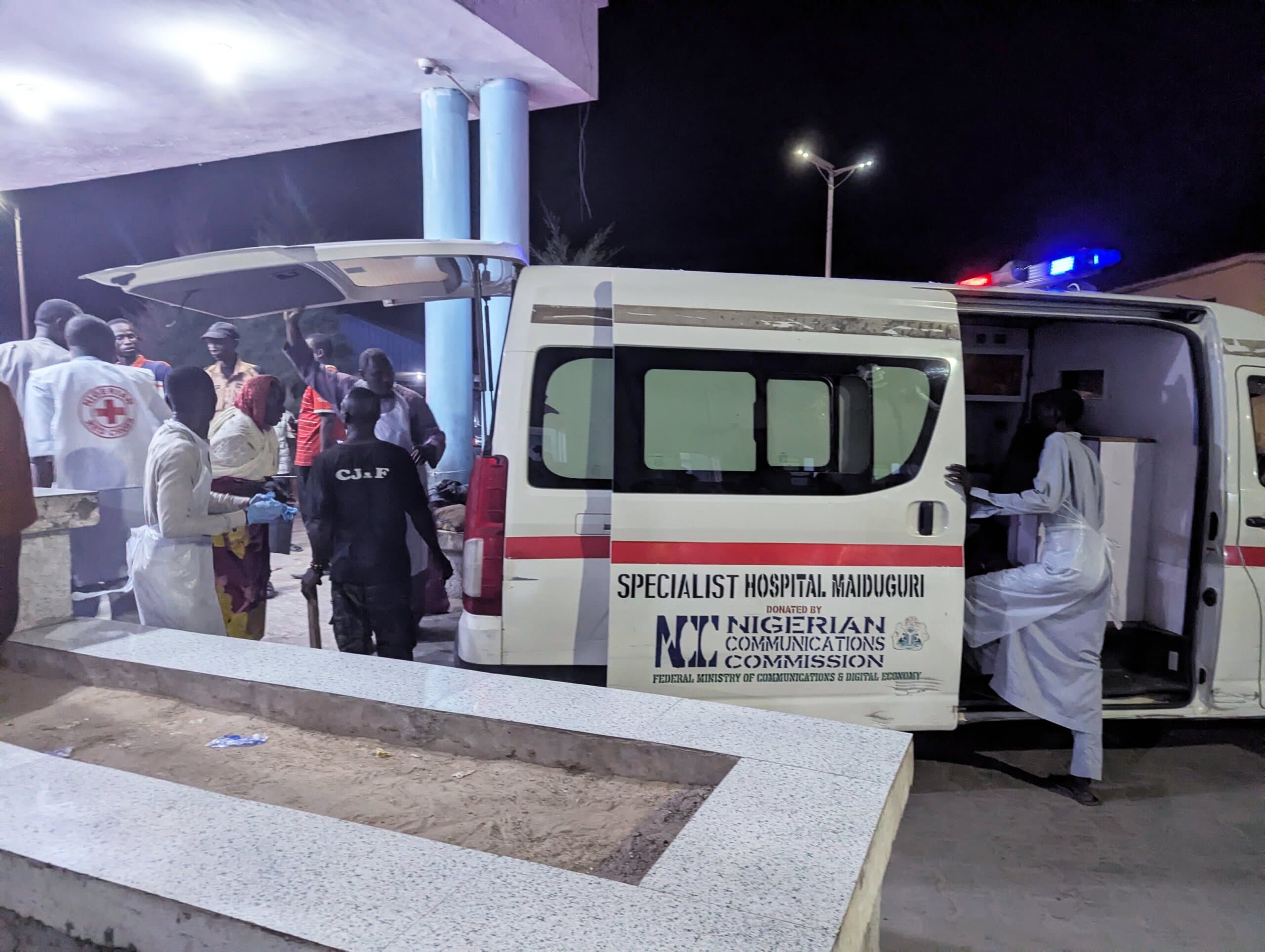
Boko Haram suicide bombers kill 23 in Maiduguri
24 sources compared

Somaliland Offers US Exclusive Access to Minerals and Military Bases to Win Recognition
10 sources compared
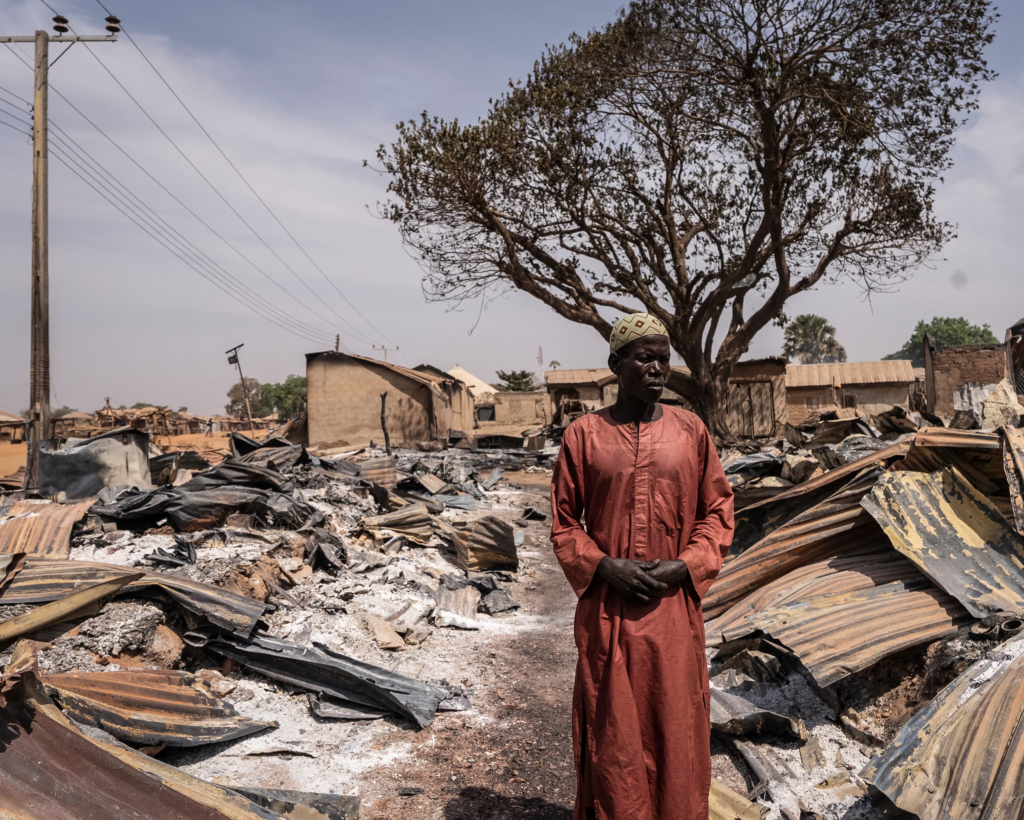
Boko Haram Gunmen Massacre Scores of Villagers in Kwara and Katsina After Sending Letter Asking to Preach
19 sources compared
Boko Haram Gunmen Massacre Villagers in Kwara After Sending Letter Asking to Preach
20 sources compared