
Bitcoin Dips Below $70,000 as Oil Surge and Fed Holds Rates Pressure Risk Assets
Key Takeaways
- Bitcoin falls below $70,000 as the Fed holds rates, fueling risk-off sentiment.
- Fed keeps rates at 3.50%-3.75%, adding pressure on crypto and broader markets.
- Middle East conflict drives energy-price surge and a risk-off backdrop for assets.
Market Decline Factors
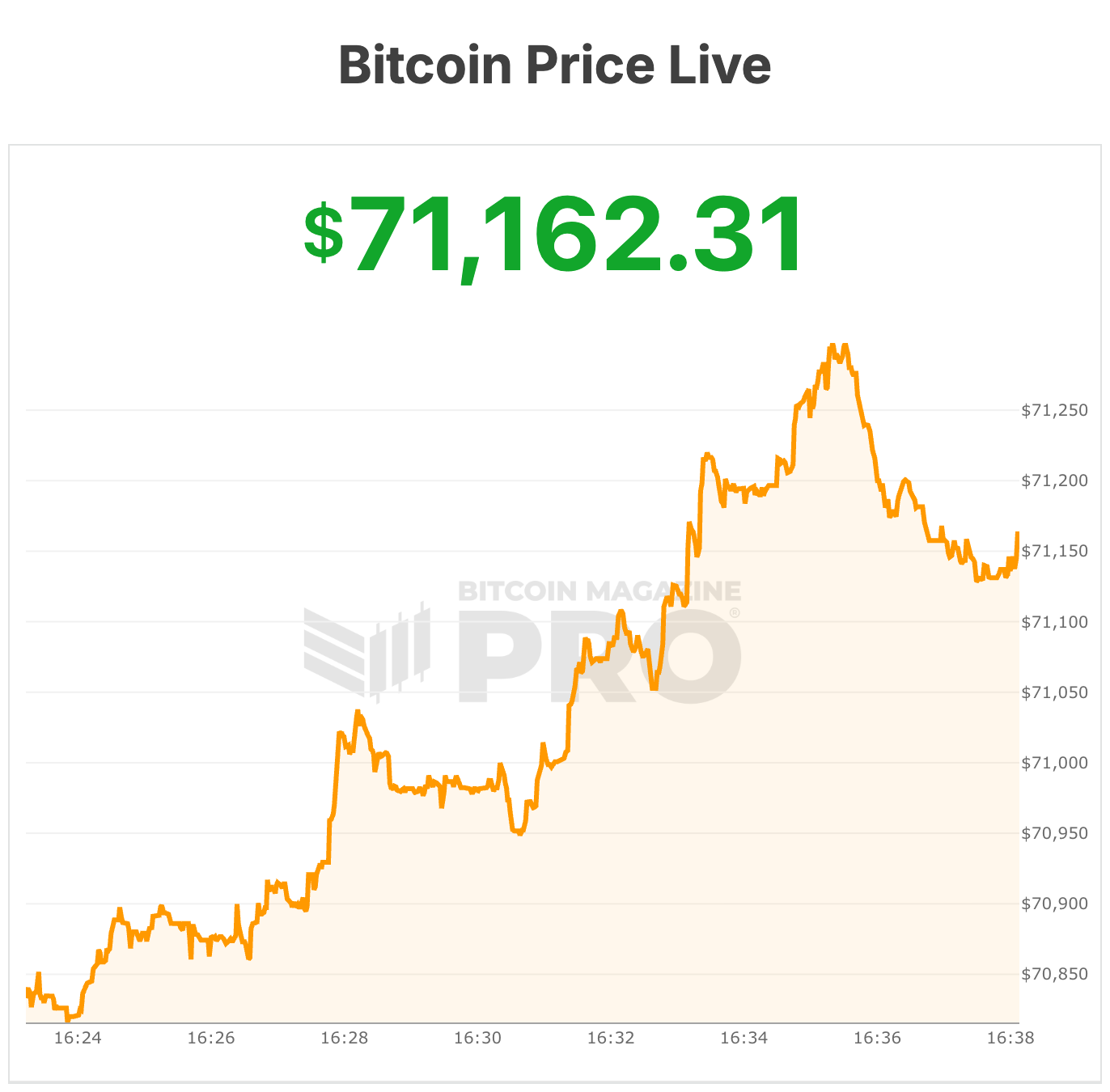
Bitcoin plunged below the $70,000 mark on Thursday as multiple macroeconomic factors converged to pressure risk assets.
“Bitcoin slips below $70,000 as oil surge, Fed pause weigh on risk assets BTC dipped below $70,000 as energy prices spiked and the Fed held interest rates, pressuring crypto and equities”
The cryptocurrency fell to $69,600, losing 1.6% since midnight UTC according to market data.

Ether dropped 1.7% to $2,160 as the broader risk-off sentiment affected digital currencies.
The downward trend was driven by the Federal Reserve's decision to maintain interest rates.
Escalating Middle East tensions and resulting energy price spikes created significant macroeconomic pressure.
These factors combined to affect financial markets globally, with cryptocurrencies being particularly vulnerable.
Fed Policy Impact
The Federal Reserve's monetary policy decision played a crucial role in the market downturn.
The central bank maintained interest rates in the 3.50%–3.75% range, pausing its rate-cutting cycle.
This decision strengthened the U.S. dollar, making risk assets like Bitcoin less attractive.
Fed Chair Jerome Powell acknowledged rising energy prices' impact on inflation expectations.
He stated that 'near term measures of inflation expectations have risen in recent weeks' due to oil price increases.
The Fed's stance of maintaining rates while monitoring Middle East developments added market uncertainty.
Middle East Energy Crisis
Escalating tensions in the Middle East created significant energy market volatility.
“In brief - Bitcoin fell over 4% on the day to below $70,000 after the Fed held rates steady at 3”
This geopolitical conflict spilled over into cryptocurrency markets globally.
European natural gas futures surged approximately 25% to above $78 per MWh on Thursday.
The surge followed Iran's attack on key Gulf energy infrastructure.
This was in response to an Israeli strike on Iran's South Pars gas field.
Brent crude rose 3.8% to $107.38 per barrel due to the Middle East conflict.
Oil prices initially spiked over 2% before falling 1% since the Fed meeting.
The damage to risk sentiment had already affected both traditional and digital asset markets.
Market Sell Pressure
The cryptocurrency market experienced significant sell pressure from risk-averse investors.
Investors reduced exposure to riskier assets amid uncertain macroeconomic conditions.
Large-scale transactions contributed to the downward market momentum.
Decrypt reported that 'two whales sold 5,650 BTC on Wednesday' during heightened volatility.
This selling pressure from major holders added to the broader macro-driven sell-off.
Traditional markets also reacted negatively to the Fed decision and Middle East tensions.
The Nikkei, gold, and S&P 500 fell nearly 3.2%, 3%, and 1% respectively.
These developments demonstrated widespread impact across multiple asset classes.
Technical Outlook
Technical analysts suggest Bitcoin may find support around $70,000 to $72,000.
“The Federal Reserve on Wednesday kept its benchmark interest rate steady, maintaining the federal funds target range at 3”
They caution that low volatility levels may persist in the near term.
Bitcoin's market behavior remains sensitive to interest rate expectations.
The cryptocurrency markets have historically been influenced by monetary policy decisions.
Powell described current federal funds rate range as 'within neutral territory'.
He emphasized the importance of central bank independence to markets.
Bitcoin currently remains above the $70,000 threshold despite recent pressure.
The cryptocurrency has recorded gains of 1.6% over the past week, showing some resilience.
More on Crypto

Coinbase Launches Stock Perpetual Futures for Non-U.S. Users
12 sources compared

Morgan Stanley Advances Bitcoin ETF Application with Amended SEC Filing
12 sources compared

U.S. Commission of Fine Arts Approves 24-Karat Gold Coin Bearing Trump's Image
12 sources compared
FTX to Distribute $2.2B to Creditors in March
16 sources compared