Iran · 23 July, 2026 · 3 min read
IMF Warns US-Israel War With Iran Could Trigger Global Energy Crisis Via Strait Of Hormuz
Strait of Hormuz disruption or ship targeting could threaten global energy supplies. Israel on standby for possible war with Iran amid rising alerts.
Does reporting pin an imminent rocket strike on Israel’s preparations?.
4 of 5 outlets skipped it: IMF lists oil price scenarios and global growth drops.
ynetglobal was read line by line by the Watchdog: 3.9. See the score →
6outlets compared
Same story, two versions
tap a side to read it in full
Asr Iran and Middle East News emphasise imminent attack risk more than News On AIR and Ynet.
IMF flags energy shock
The International Monetary Fund warned that a US-Israel war with Iran could trigger an energy crisis of unprecedented scale by closing the Strait of Hormuz or damaging key energy infrastructure, pushing the global economy toward recession. In its World Economic Outlook, the IMF said that if oil prices stay around 100 US Dollars per barrel, global growth could fall to 2.5 per cent, while inflation would remain high. In a severe case described by the IMF, where oil rises to 110 US Dollars per barrel this year and 125 US Dollars per barrel next year, global growth could drop to 2%, close to a global recession, while inflation would climb to nearly 6%.
IMF chief economist Pierre-Olivier Gourinchas said the world economy is facing another major shock, especially if the conflict continues, and the IMF warned governments against large, unplanned spending responses because inflation remains high and public debt is already elevated. The IMF also outlined a best-case scenario in which energy markets stabilise by mid-year, with global growth still slowing slightly to about 3.1% in 2026 and inflation remaining high.

Trump, Netanyahu on alert
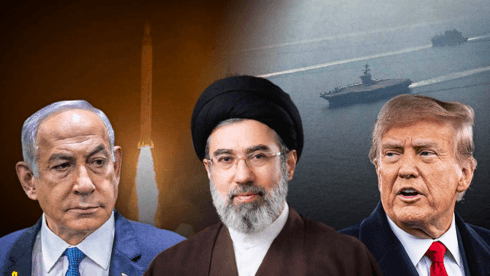
As U.S. President Donald Trump considers a “massive attack, bigger than ever before” against Iran, Western intelligence agencies assessed that the Islamic Republic may strike Israel first, drawing Jerusalem into the conflict.
Trump said Thursday evening, “We cannot let them have a nuclear weapon,” and he added, “They’ll never have a nuclear weapon under the Trump administration.”
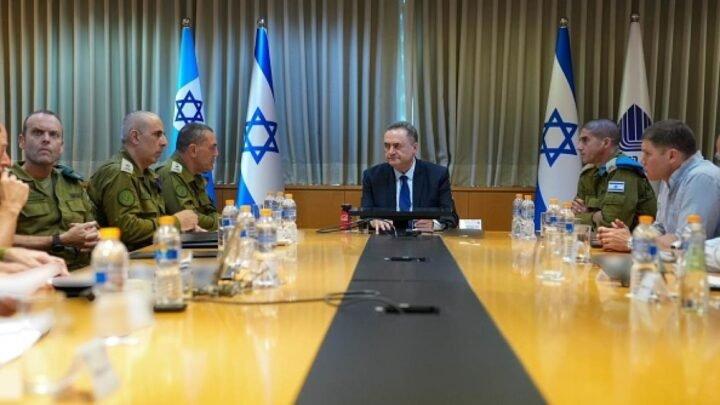
Israel, meanwhile, is maintaining maximum readiness ahead of possible escalation over the weekend, with Prime Minister Benjamin Netanyahu expected to convene the inner security cabinet on Friday and the broader security cabinet on Sunday.
Defense Minister Israel Katz said after a security consultation with IDF Chief of Staff Lt. Gen. Eyal Zamir and senior defense officials that “If Iran attacks Israel, it will suffer a crushing blow,” and Israeli officials said they are preparing for escalation because Trump is escalating.
The Israeli Home Front Command instructions remain unchanged, and no order has been issued to open public shelters as Israeli officials weigh scenarios in which Iran seeks to draw Israel into fighting.
Escalation scenarios and coordination
Israeli media reported that Israel is on high alert in anticipation of Iran’s possible response to U.S. military movements, with Haaretz saying Israeli officials are preparing for a possible Iranian rocket strike in the closing days of the week. Middle East News said Israel raised the level of alert in anticipation of a direct confrontation with Iran in the coming days after Trump’s threat to strike Iran’s national infrastructure, including bridges and power plants in Tehran and its surroundings, in response to any Iranian move targeting ships in the Strait of Hormuz. Channel 13 reported that Israel is preparing for possible escalation with Iran by the end of the week and that a large American strike could push Iran to target Israel, while Channel 11 said there are talks to arrange a meeting between Netanyahu and Trump next week but no date has been set.
“Estimates by the Israeli security establishment, on Tuesday, indicated that the likelihood of a direct confrontation between Israel and Iran has risen, and is now defined as 'medium to high.'”
The same Middle East News report said Washington informed Tel Aviv of its intention to escalate attacks in Iran in the coming days and that it will soon carry out attacks using heavy bombers for the first time in this round of escalation. Estimates by the Israeli security establishment put the likelihood of a direct confrontation between Israel and Iran at “medium to high,” while a senior security official told Maariv, “At this stage no specific threat has been detected, but we are strengthening readiness and preparedness.”